
Aizuwakamatsu: Exploring the Byakkotai and Tsurugajo
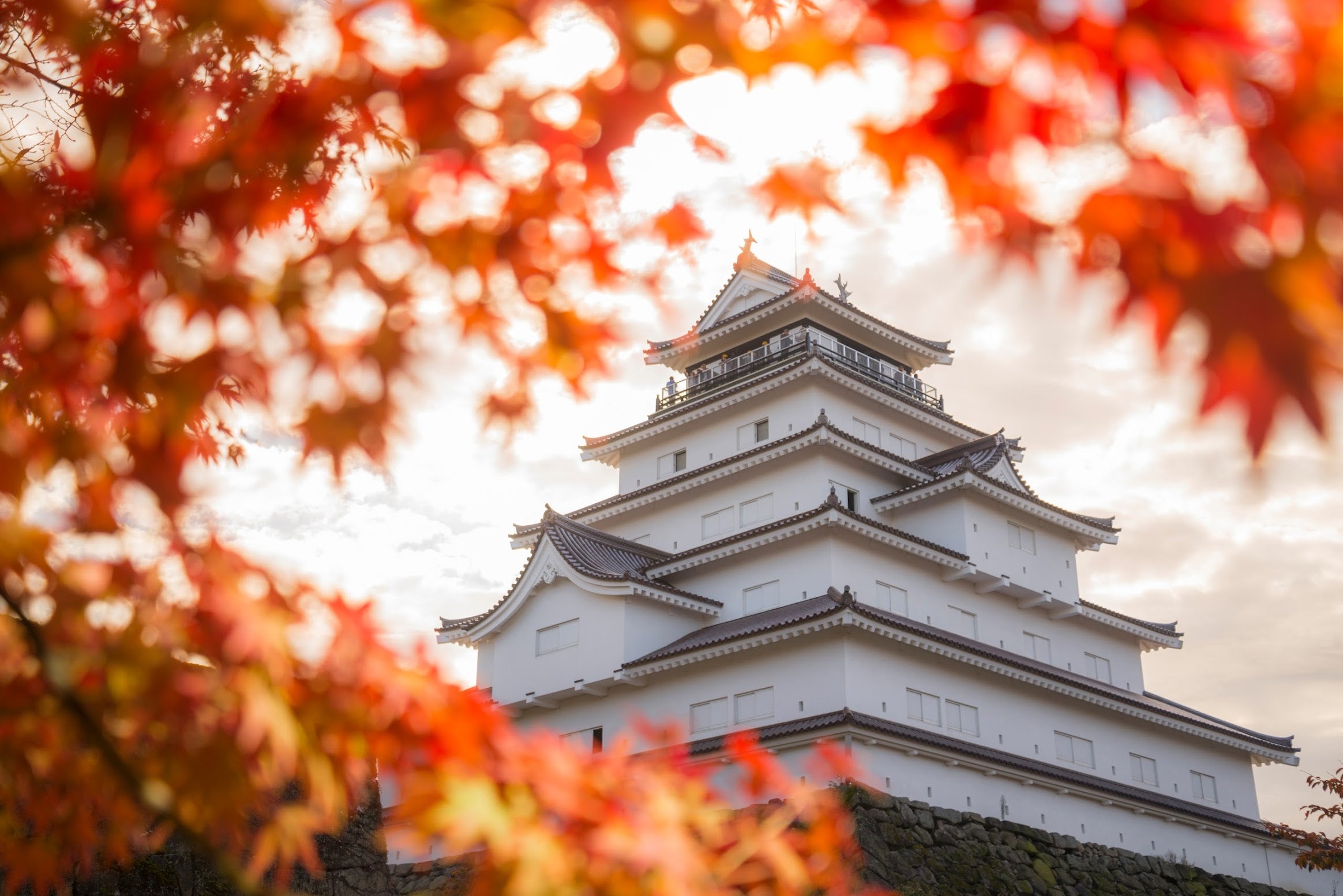
When you think of Aizu, Tsurugajo and the Byakkotai are a must-see. The thoughts of the young boys who perished in the Boshin War, the site of the month-long siege, Tsurugajo. Let's learn the painting techniques that became a part of Aizu's industry and create unique souvenirs.
- Area:
- Aizuwakamatsu City
- Recommended season:
- All year round
- Participation fee:
- 19,800 yen (excluding tax)
Schedule

We will pick you up at the designated location such as your hotel.
Exploration of Aizuwakamatsu Castle, Tsuruga Castle
All buildings, including the main keep, were demolished by 1874, but the main keep was rebuilt in 1965, and in the Heisei era, the tea room and corner turrets were also restored. In 2011, the roof tiles were replaced with the red tiles from the late Edo period, enhancing the beauty of the time.
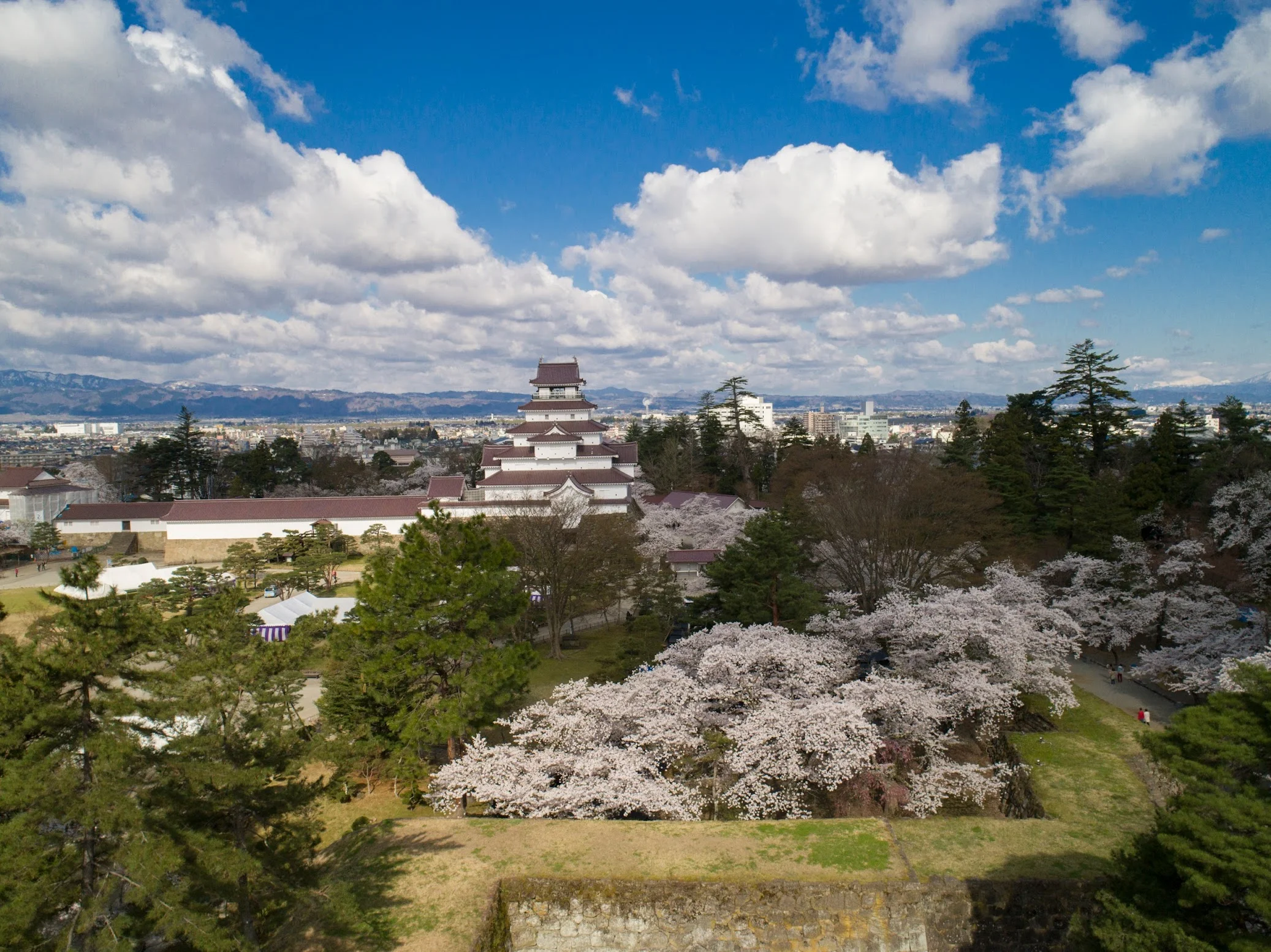
Medicinal Herb Garden
It is said that the origin of this place began when Ashina Morihisa, the guardian of Aizu during the Muromachi period, built a villa here where a sacred spring bubbled up. Later, the founder of the Aizu Matsudaira clan, Masayuki Hoshina, developed it into a daimyo garden, and the second lord of the clan, Masakane, established it as a medicinal herb garden for the prevention and treatment of illnesses for the local people.
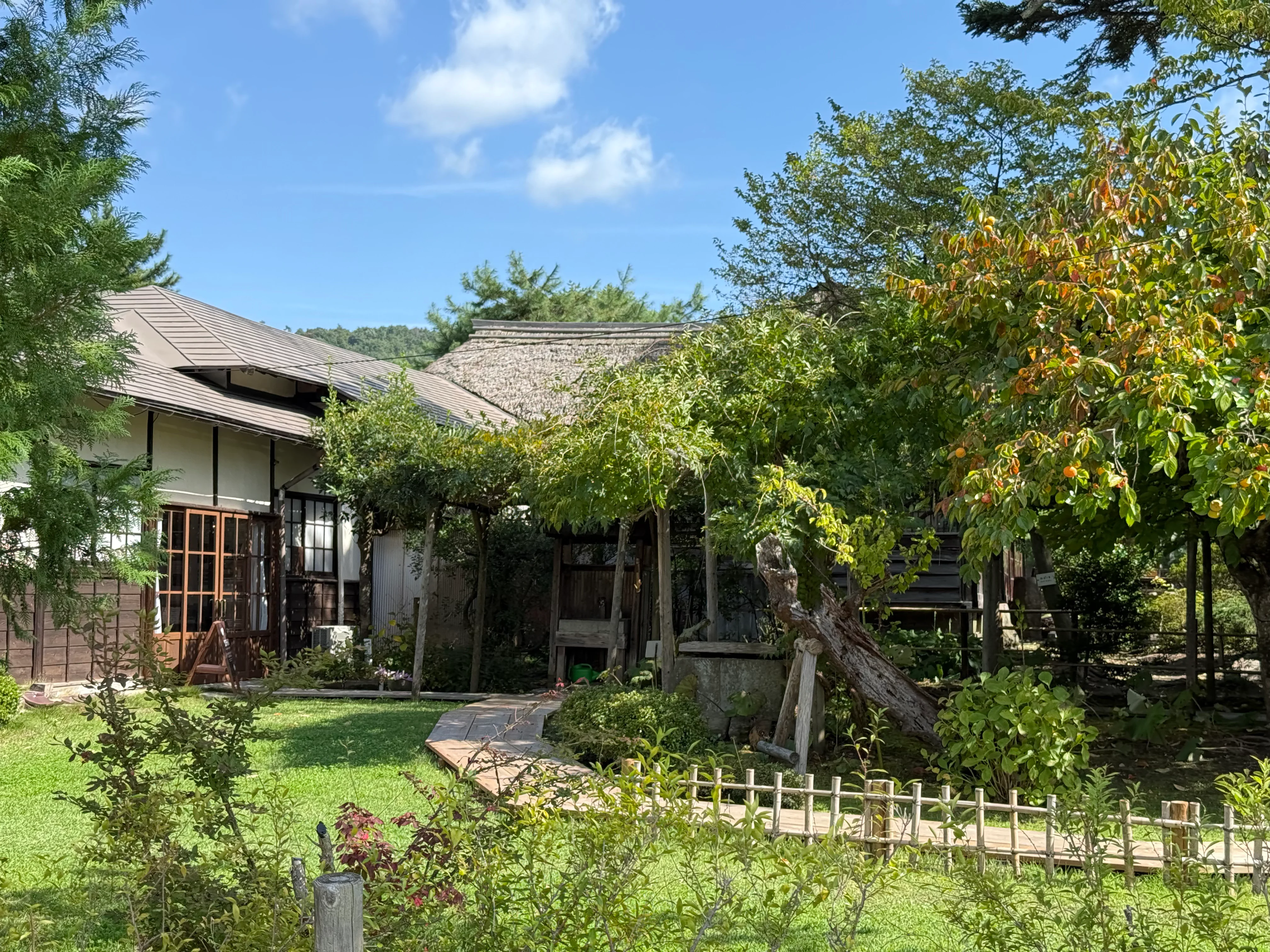
Lunch: Enjoy Aizu's local cuisine
Aizu's local cuisine includes pickled herring with pepper and boiled dried cod. Enjoy unique dishes such as kozuyu.
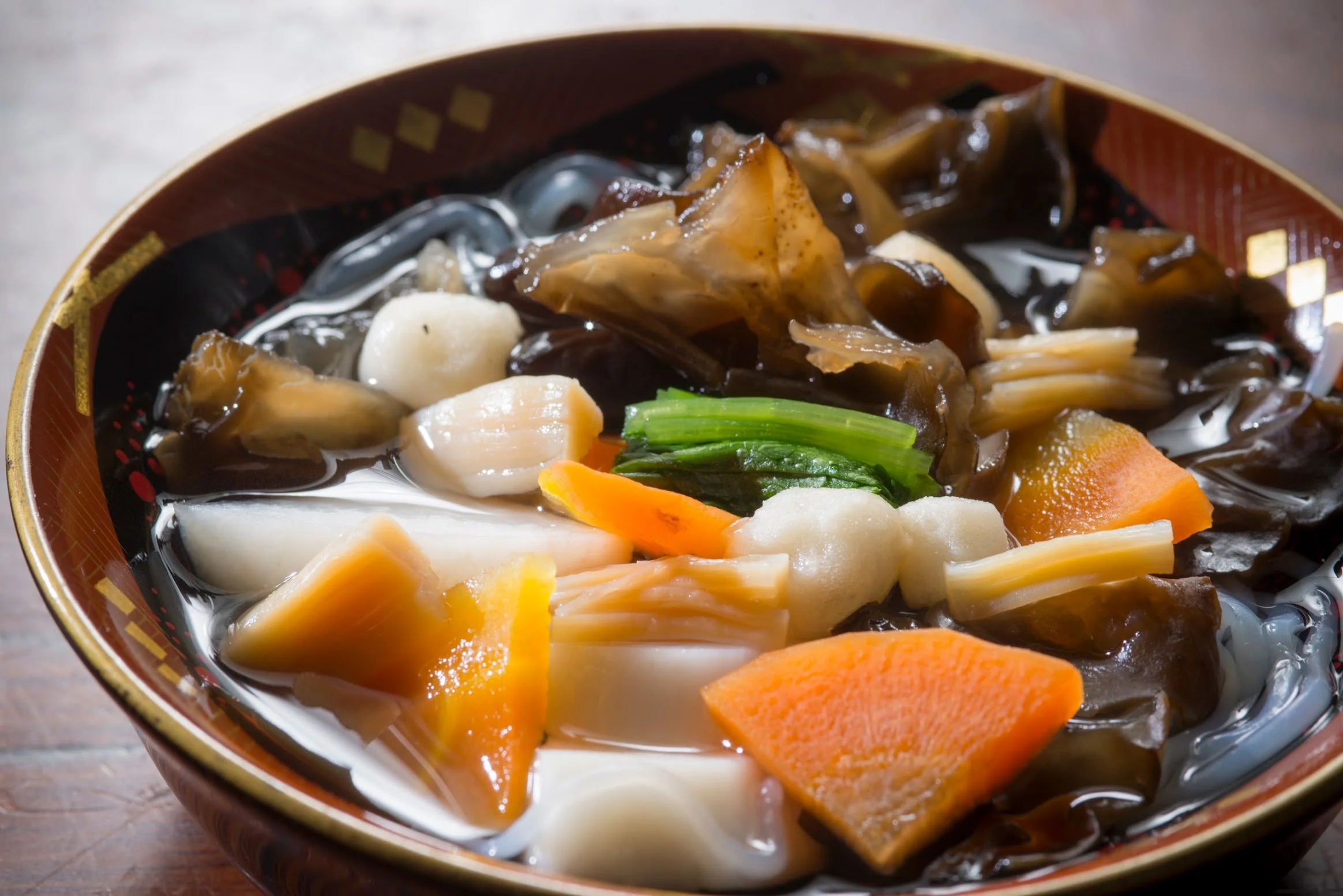
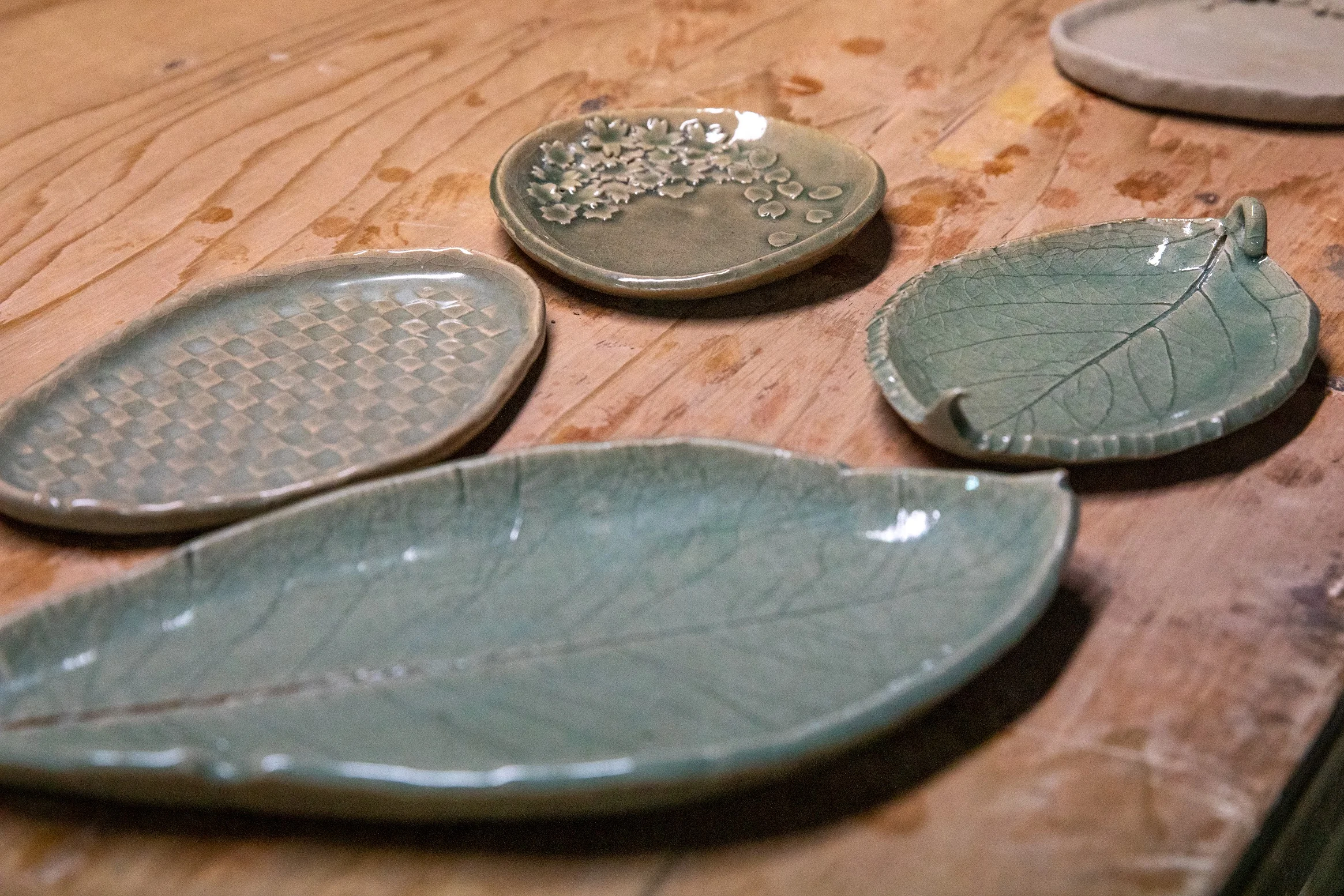
Aizumisato Town: Hongō pottery experience
It is said that the production of pottery began when the Aizu lord, Katō Kiyomasa, had the tiles for the current Tsuruga Castle made. Later, in the early Edo period, the founder of the Aizu Matsudaira clan, Masayuki Hoshina, invited potters from Owari to start full-scale production.
Mount Iimoriyama - The Tragic Site of the White Tiger Brigade
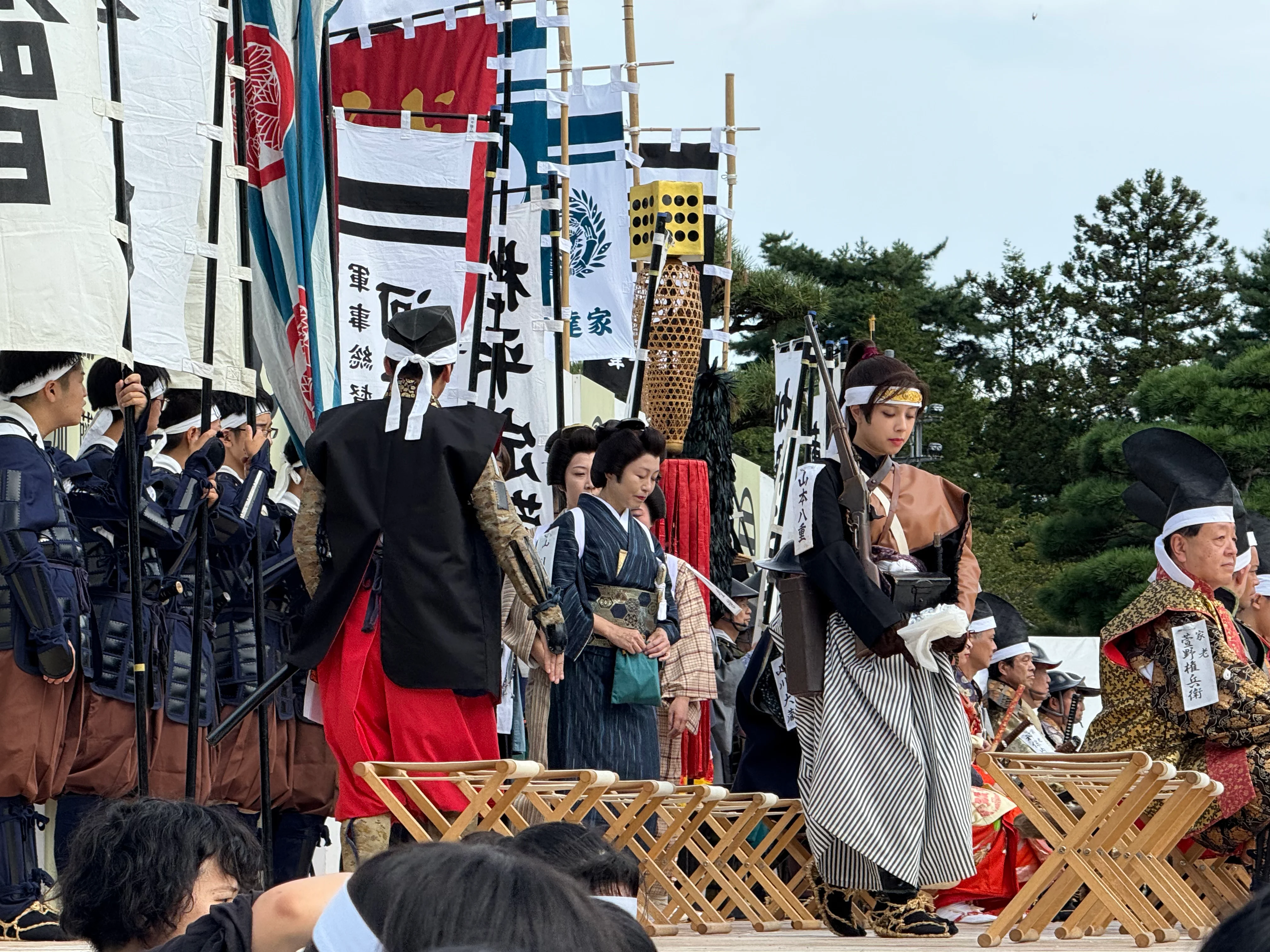
In the Battle of Tonokuchihara in the first year of the Meiji era (1868), the young members of the White Tiger Brigade suffered a decisive blow. As they fled through the tunnel to Mount Iimoriyama, they mistakenly believed that Tsuruga Castle had fallen while watching a city fire and committed seppuku on the spot. (The image shows the Aizu Festival.)
Strolling around Aizu Higashiyama Onsen
Aizu's hidden retreat, Higashiyama Onsen, is said to have been discovered about 1300 years ago by the famous monk Gyoki, and is a historic hot spring area counted among the Three Scenic Areas of Oushu. Enjoy the atmosphere of bygone days and soak your feet in the foot bath.
We provide pick-up and drop-off at customer-designated locations such as hotels.
 Contact