
Historic Site: Heijiji Ruins
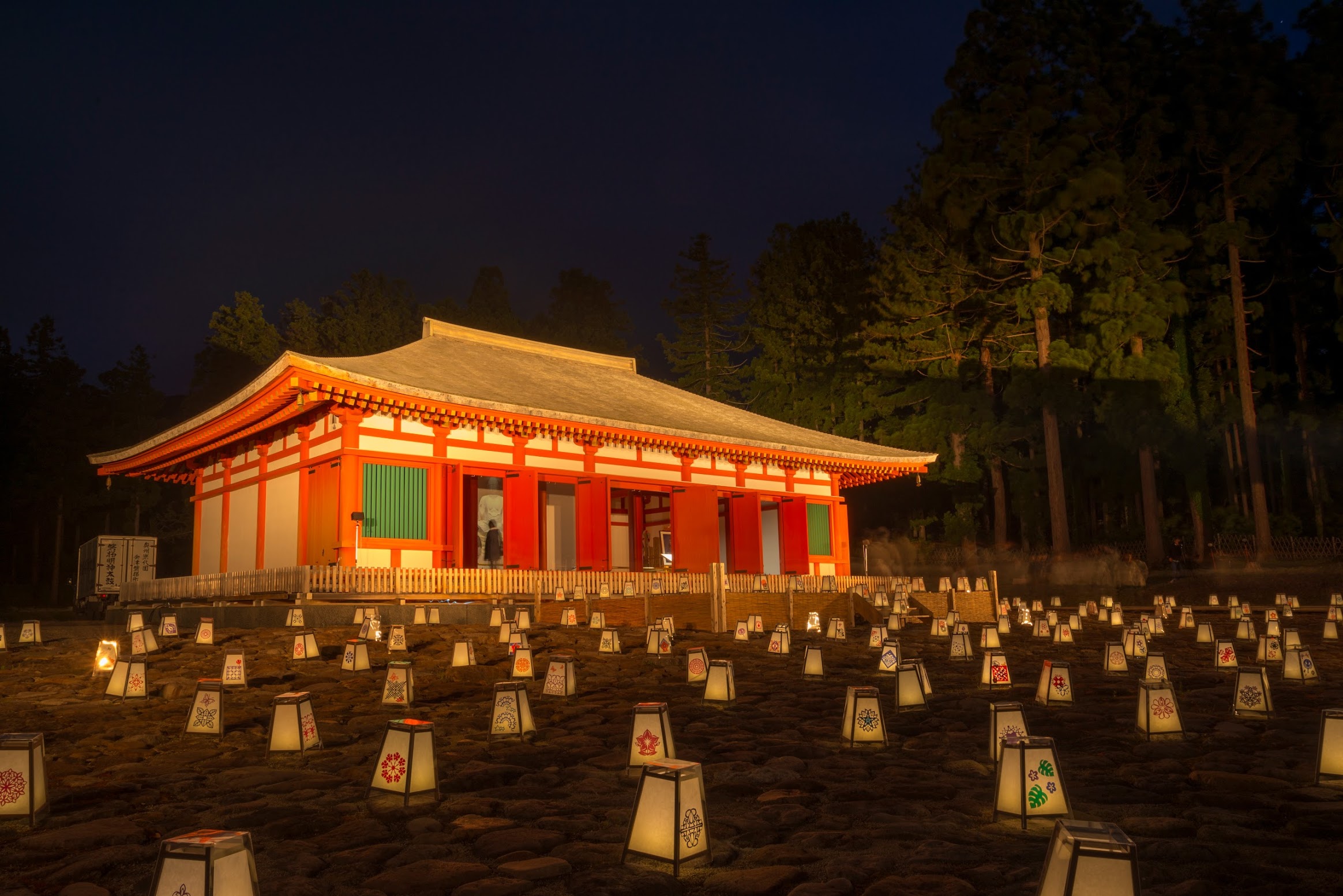
【The source of Buddhist culture, fragrant with the winds of the Heian period】 The memory of compassion residing in the historic site of Heijiji Ruins
Nestled in the lush foothills of Mount Bandai, the Heijiji Ruins were established in the second year of Daido (807) during the early Heian period by the high priest Tokui Bosatsu from Nara. Once boasting a grandeur that was said to have 'three thousand temple members and thousands of warrior monks,' it has supported the prayers of people for over a thousand years as a beacon of Buddhist culture not only in Aizu but throughout the Tohoku region.
■ The beauty of the restored 'Heian temple complex'
Stepping into the vast historic site, you are greeted by magnificent architecture that evokes the glory of the past.
- The grandeur of the main hall and the middle gate: The main hall and middle gate, restored using techniques from the Heian period based on excavation surveys. The warm hues of the red pillars and wood reflect beautifully against the blue shadow of Mount Bandai, evoking a serene beauty reminiscent of 'the paradise on earth.'
- The gaze of Yakushi Nyorai: The seated statue of Yakushi Nyorai enshrined in the main hall symbolizes Tokui's compassion, which sought to save people from illness and suffering. When facing its gentle expression, one feels enveloped in a sense of tranquility that transcends time and space.
■ The 'Prayer Corridor' in harmony with nature
The essence of this place lies in the overwhelming harmony created between the man-made structures and the surrounding nature.
- The changing seasons: The cherry blossoms and autumn leaves in the precincts add color to the ancient stone walls and earthen mounds, teaching visitors about the transient beauty that varies with each visit.
- Tracing Tokui's aspirations: At the nearby museum, one can follow the footsteps of the intellectual Tokui, who engaged in debates with Saicho and Kukai, and gain a renewed understanding of the profound and noble spiritual culture of Aizu.
At the foot of Mount Bandai, quietly listen to the breath of history. Under the same sky that ancient monks gazed upon, why not immerse yourself in the continuity of prayers spanning twelve hundred years?
For those wishing to customize a tour that includes the historic site of Heijiji Ruins
Apply for a tour Contact