
Aizu Samurai Residence
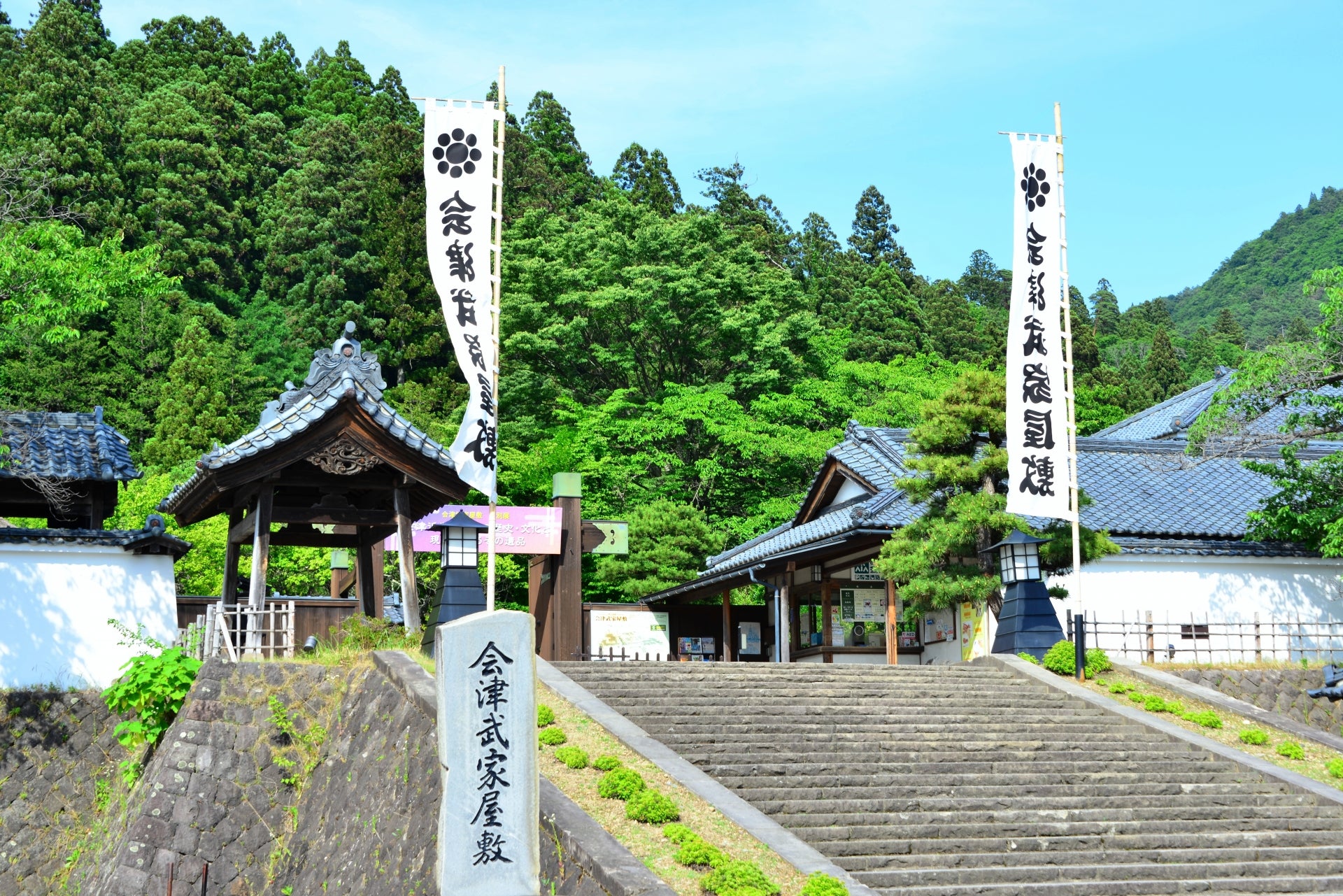
【The memory of the warrior spirit, the grandeur of thirty-eight thousand stones】 The lineage of righteousness residing in the "Aizu Samurai Residence"
In Aizuwakamatsu City, at the entrance to Higashiyama Onsen, lies the "Aizu Samurai Residence." Once you pass through its gate, the life of the samurai during the late Edo period and their spirituality come at you on an overwhelming scale. The centerpiece is the magnificent building that has restored the residence of Saigo Tadayoshi, the chief retainer of the Aizu domain. Inside, with thirty-eight rooms connected, the strict yet rich daily lives of those who lived for "righteousness" in this land are etched.
■ The architecture speaks of "the norms and aesthetics of the samurai"
The 2,300 tsubo (approximately 7,600 square meters) site is condensed with the authority and craftsmanship of the time.
- The grandeur of the chief retainer's residence: The entrance leading from the front gate, the "Onari no Ma" (room for receiving the lord) to welcome the domain lord, and the private space where the family spent time together. The building itself narrates the strict distinction between public and private life of the samurai and the underlying "order".
- Living scenes: Throughout the residence, intricate wax figures recreate the life of the time. Morning greetings, learning, and cooking. These scenes resonate with a reality that far surpasses textbook descriptions, appealing to the hearts of those who see them.
■ The intersection of tragedy and pride: "The memory of the Saigo clan"
An essential part of discussing this residence is the fate of the Saigo family during the Boshin War.
- The aesthetics of scattering: Before the siege battle, twenty-one family members chose to commit seppuku rather than become a burden. Their tragic story still resonates heavily and nobly within the silence of the residence.
- Inheritance of culture: Surrounding the residence, a watermill that milled domain rice and the important cultural property "Old Nakahata Jin'ya" have also been relocated, allowing for a multifaceted learning of Aizu's history.
The wind blowing through the well-maintained garden seems to carry the spirit of "sincerity" that the samurai once valued. By touching the indomitable spirit that has been upheld through the tides of history, one can reflect on their own heart. Would you like to experience such a "quiet dialogue" at the Aizu Samurai Residence?
For those wishing for a customized tour including the Aizu Samurai Residence
Apply for a tour Contact