Attractions of History and Culture
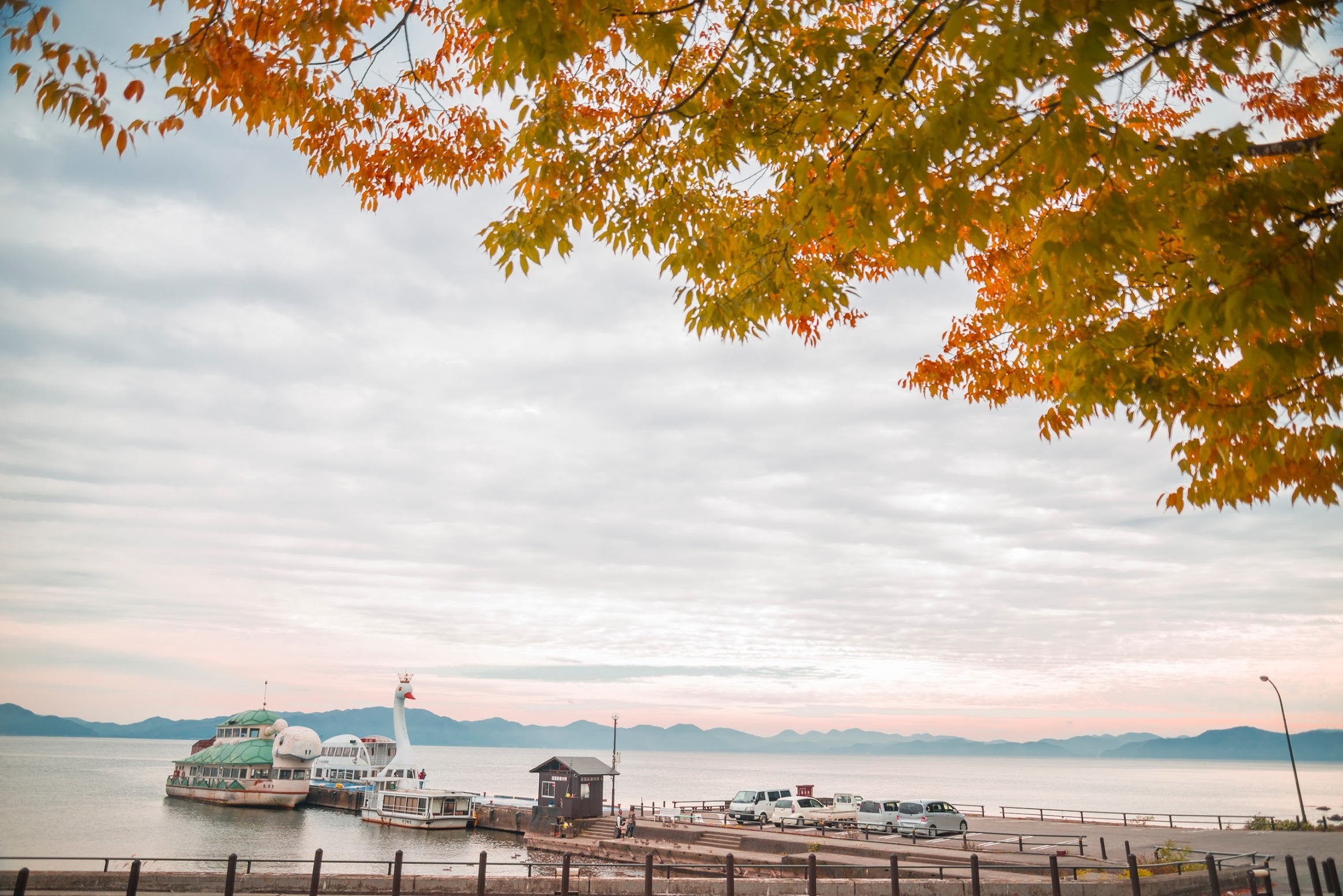
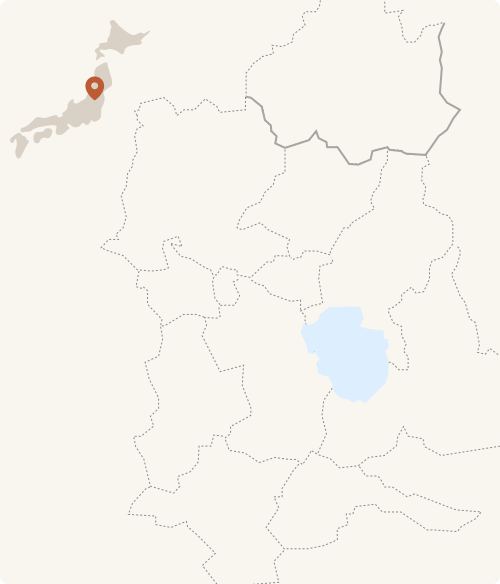
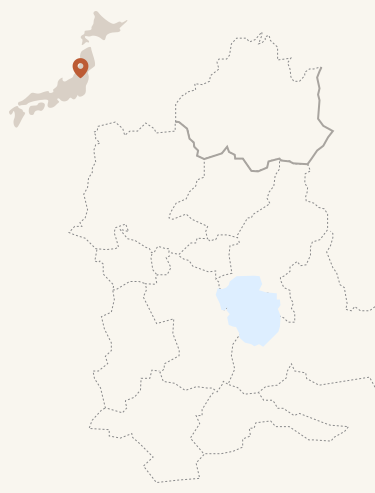
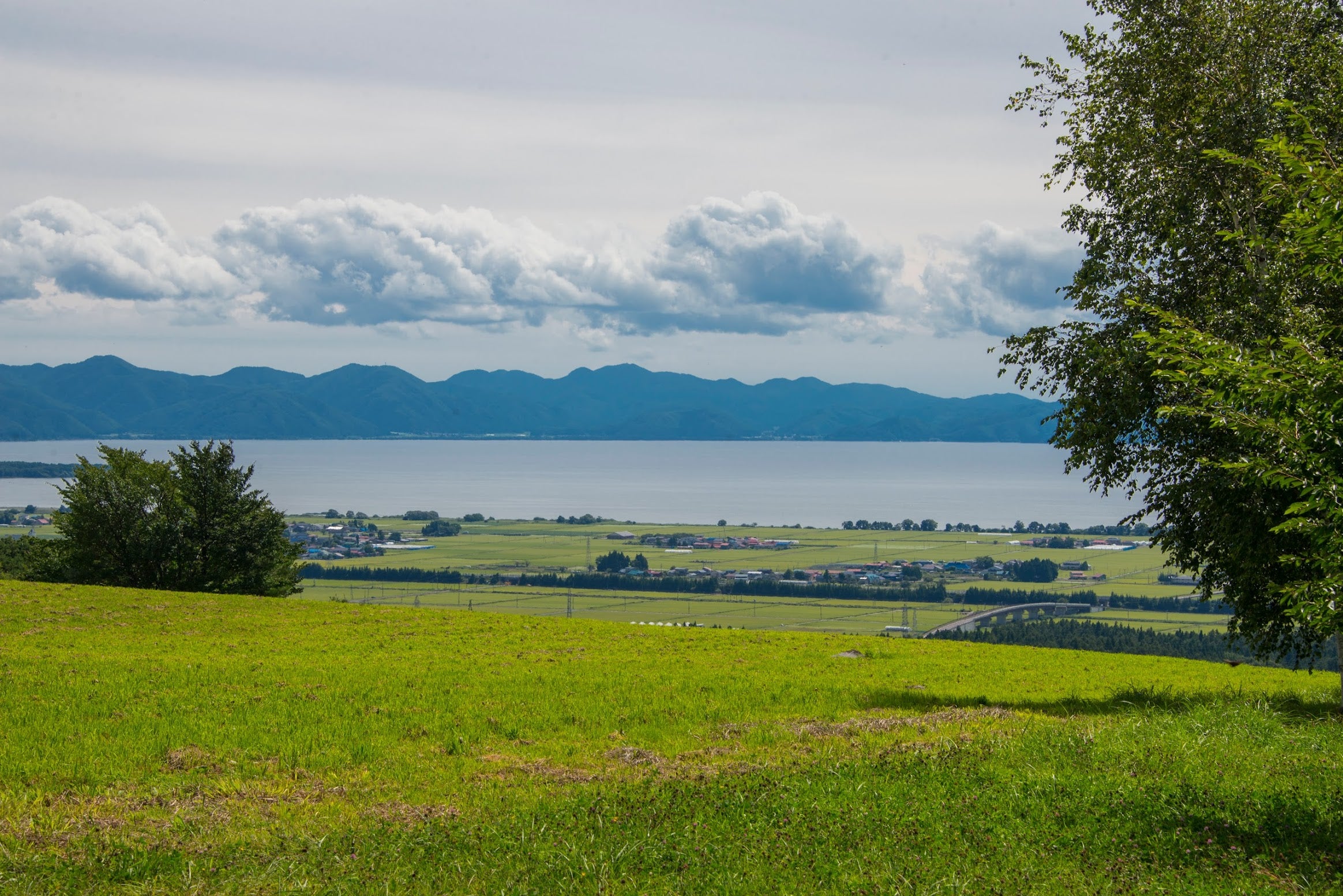
Lake Inawashiro
The fourth largest lake in Japan.
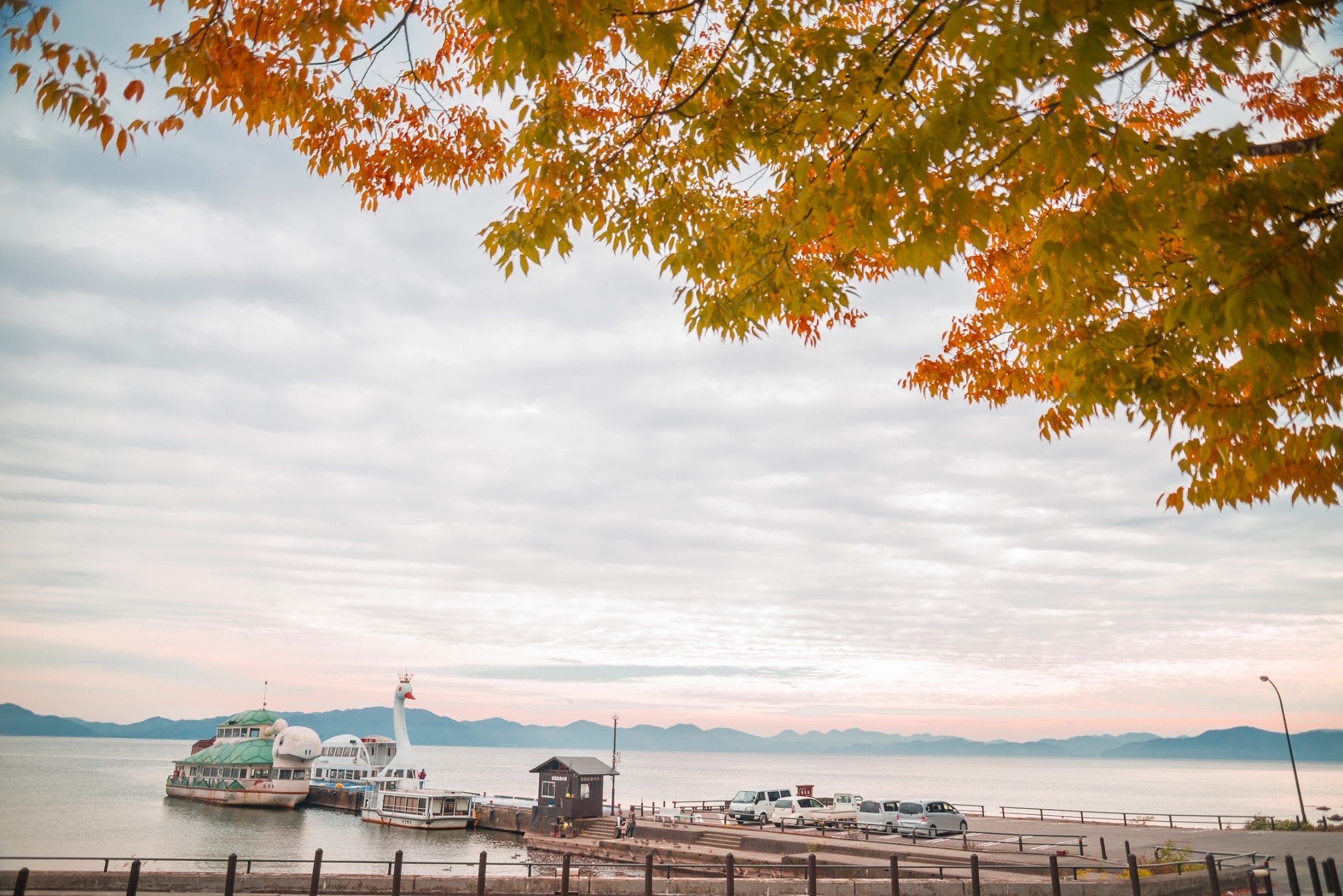
Also known as "Tenkyoko", it is famous for its beauty that reflects the sky like a mirror. In summer, it is bustling with lake bathing, and in winter, it attracts swans.
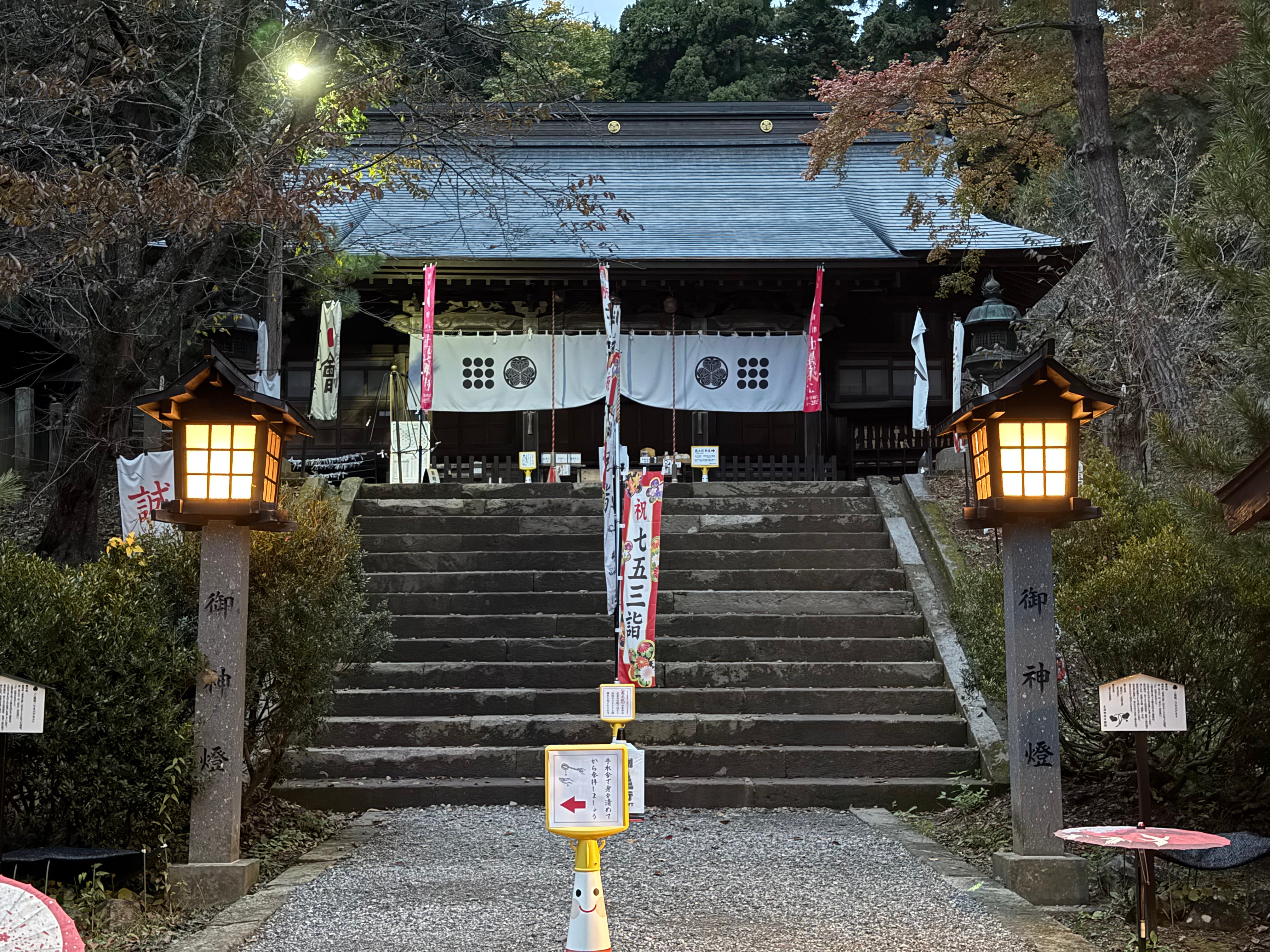
Tsuchizune Shrine
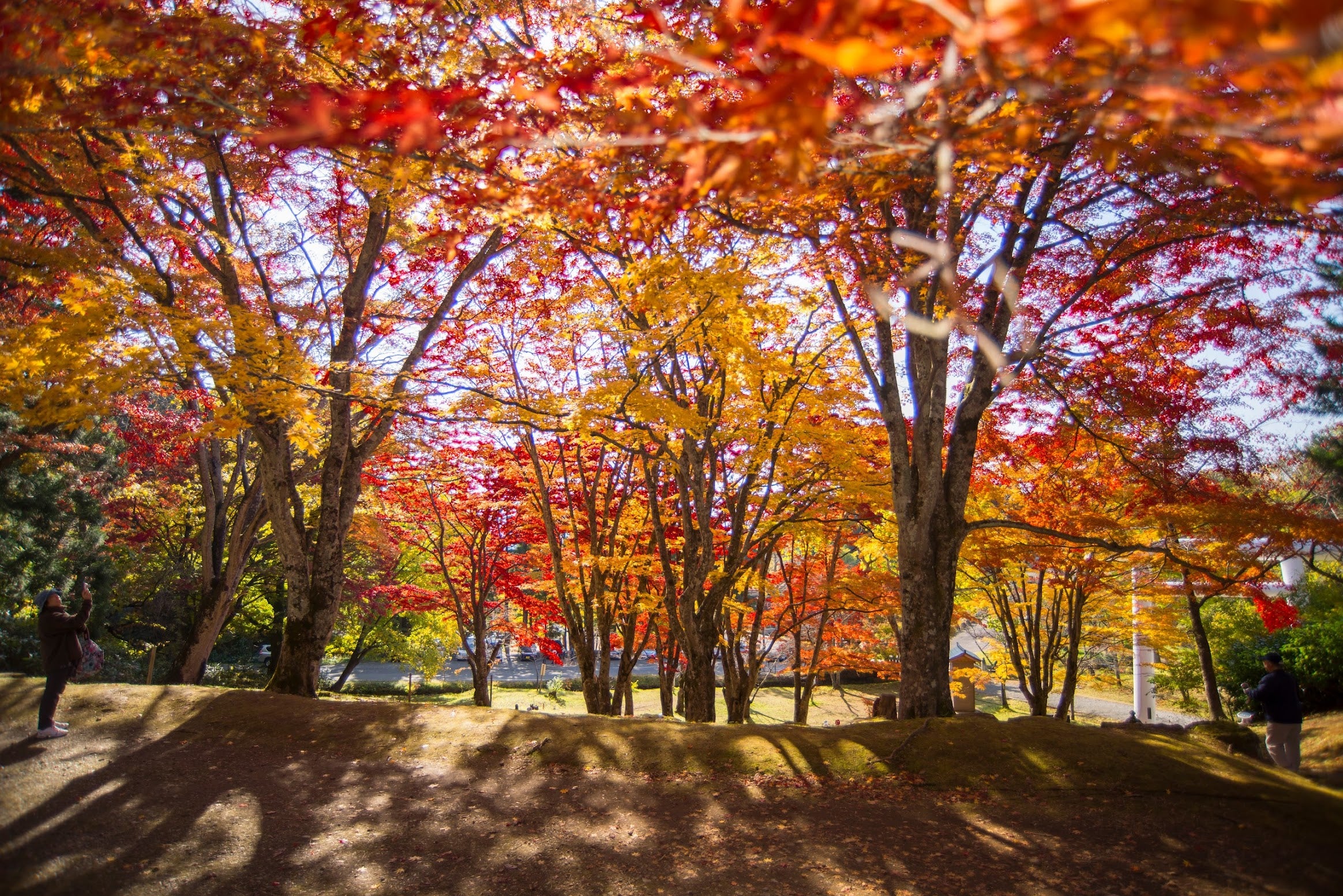
Founded in 1675, "Tsuchizu Shrine" enshrines the successive lords of the Aizu domain. The original shrine building was lost during the Boshin War, but it was rebuilt in 1880 and has nearly 400 years of history.
It is considered the god of children and success, with benefits including the fulfillment of wishes, academic success, and career advancement. It is especially popular among families for children's academic achievements.
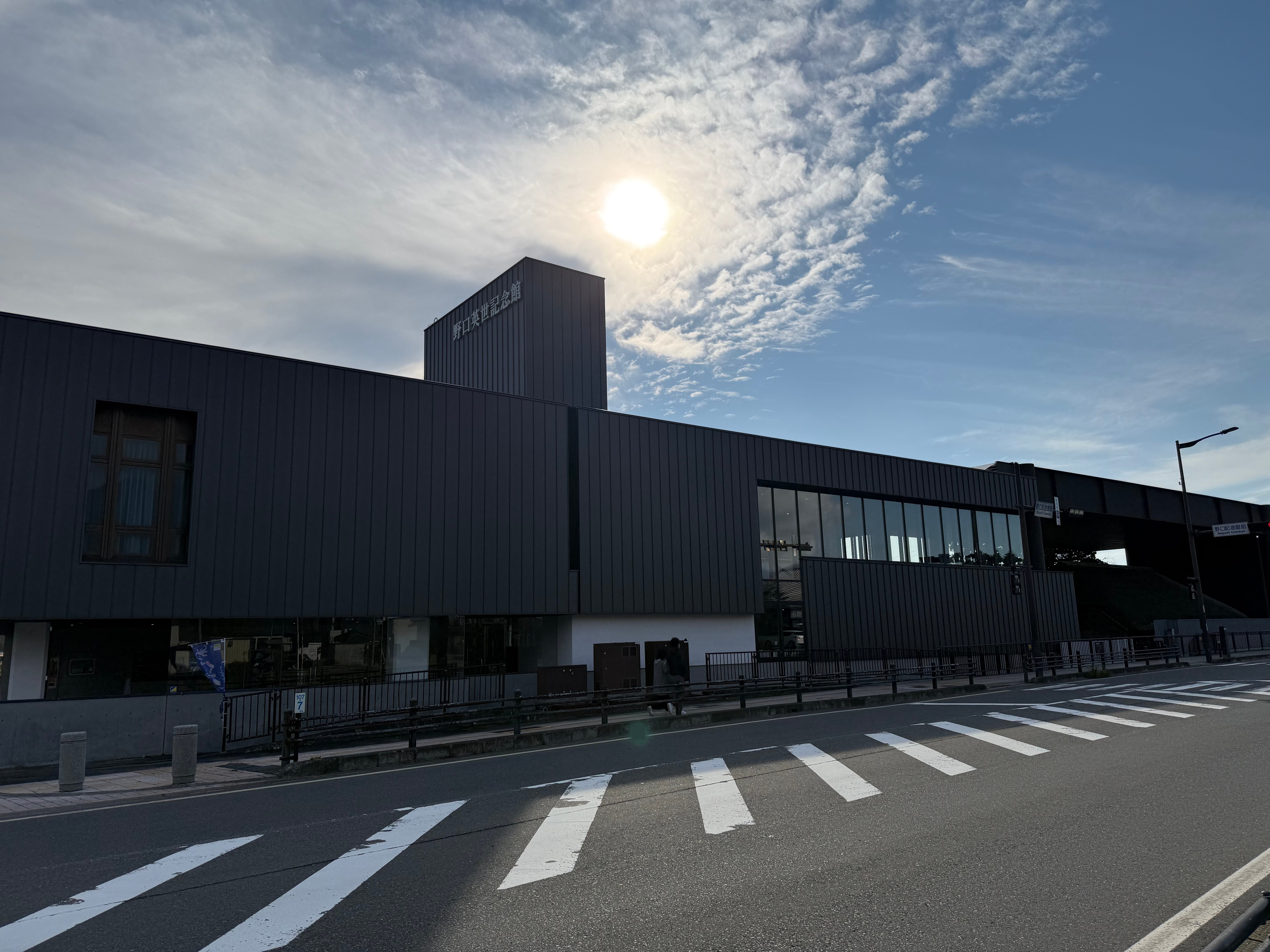
Hideyo Noguchi Memorial Museum
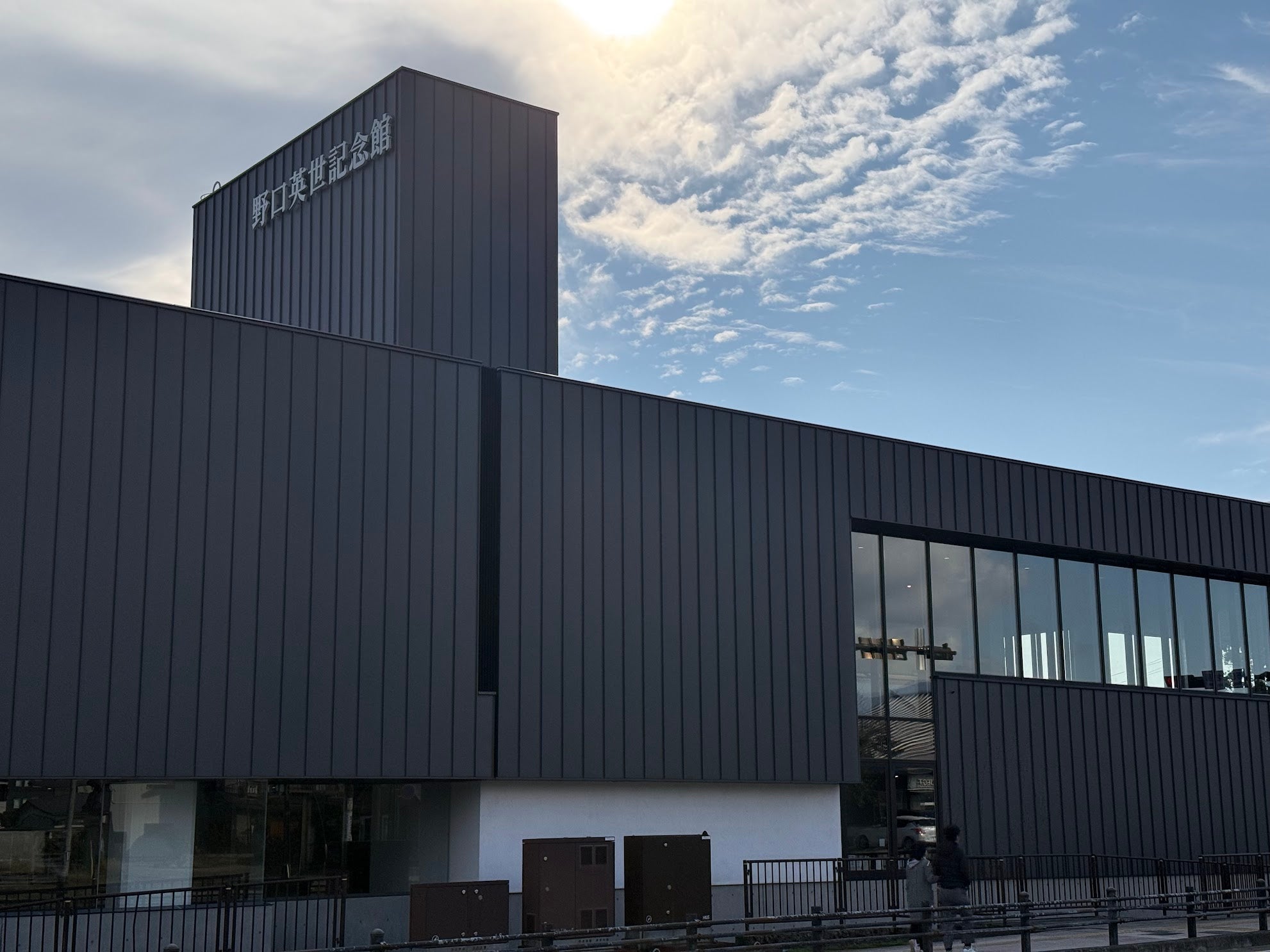
The birthplace and museum of bacteriologist "Hideyo Noguchi" from Inawashiro Town.
You can learn about his achievements and personality, making it a notable educational tourist destination.
It is a learning spot that can be enjoyed by both children and adults.
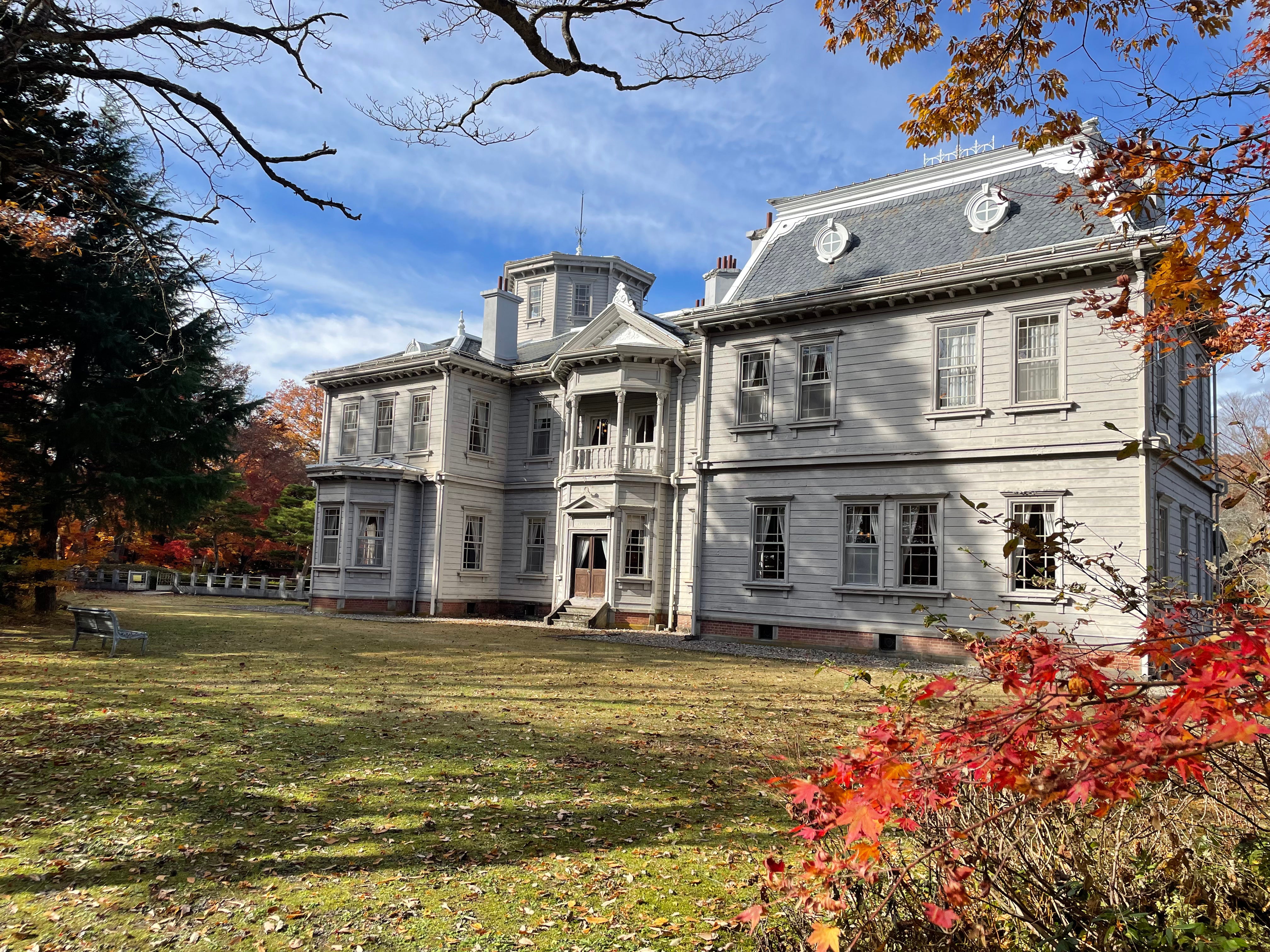
Nationally Designated Important Cultural Property - Tenkyokaku
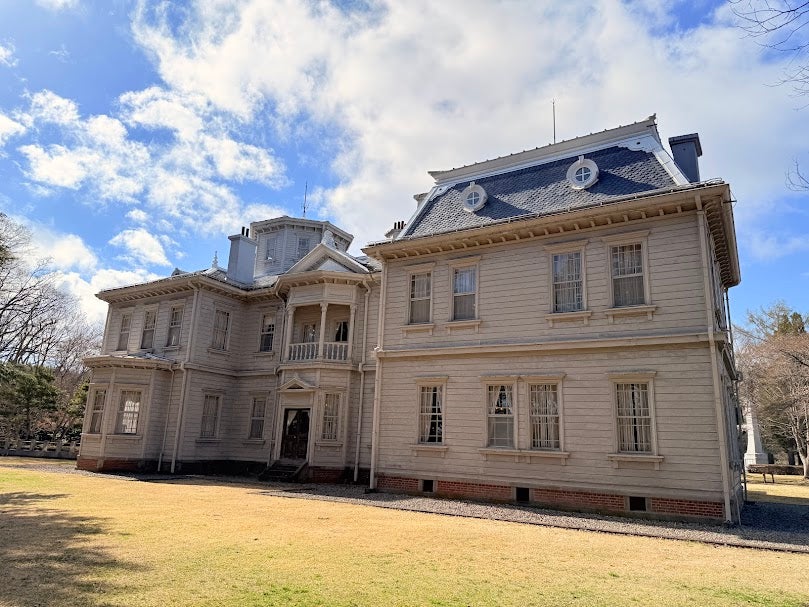
In 1907, His Highness Prince Arisugawa Yoshihito praised the beauty of the scenery by Lake Inawashiro and built it as a detached villa. Designed in the Renaissance style, it features 26 marble mantels, chandeliers in each room, and circular decorative paintings on the ceilings, with variations in design depending on the room.
Inawashiro Thirty-Three Kannon
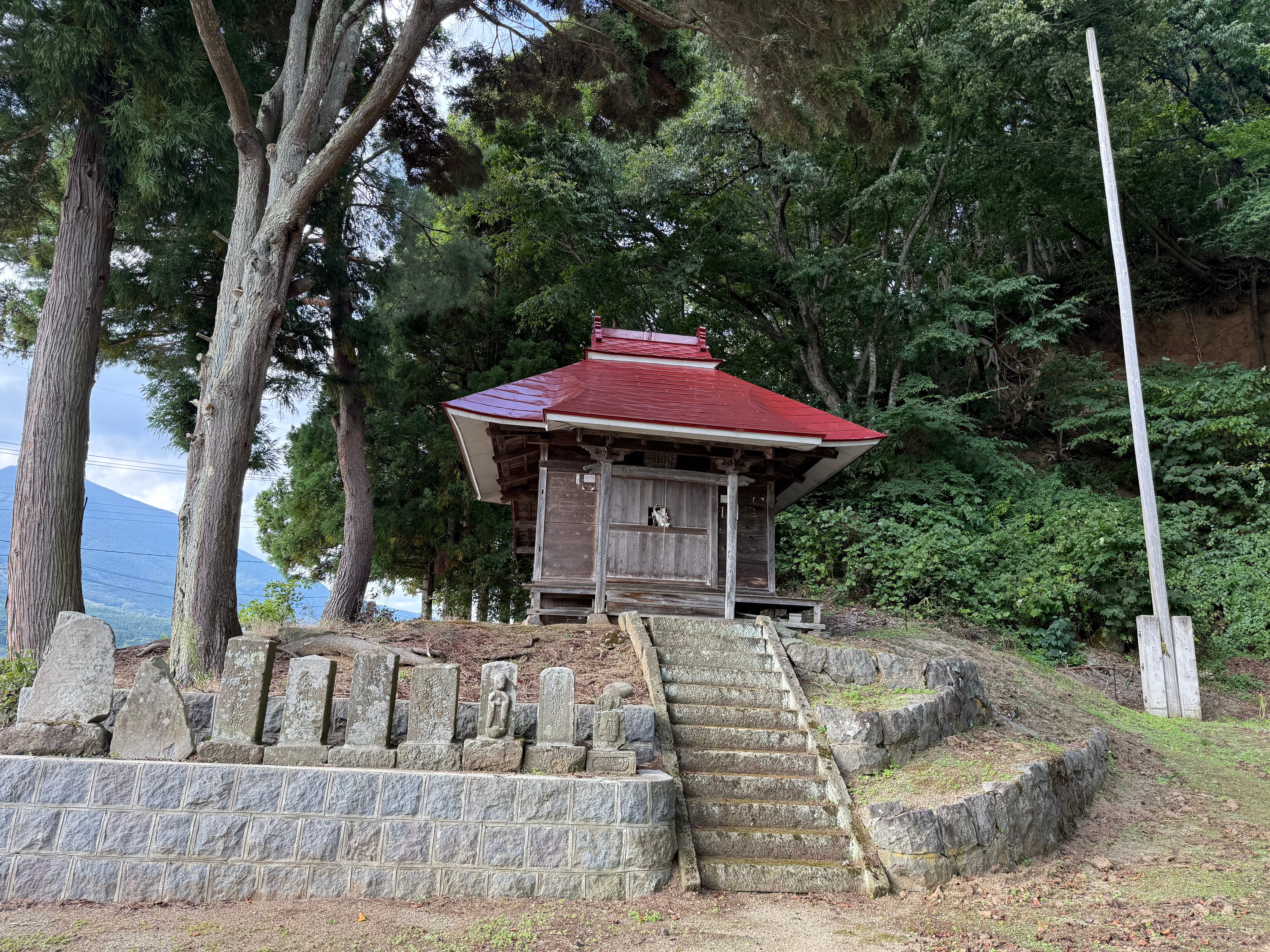
In the year Meiji 19 (1886), it was integrated (revived) as "Inawashiro Thirty-Three Kannon" to pray for abundant harvests, prosperity of descendants, and the flourishing of the family.
Similar to the pilgrimage to the Thirty-Three Kannon in Aizu, a hall was built in the region to prevent a large amount of funds from flowing outside the area, establishing a policy to enhance the faith of the people and develop resources and labor within the region.