Rich nature and culture
Goshikinuma Nature Trail
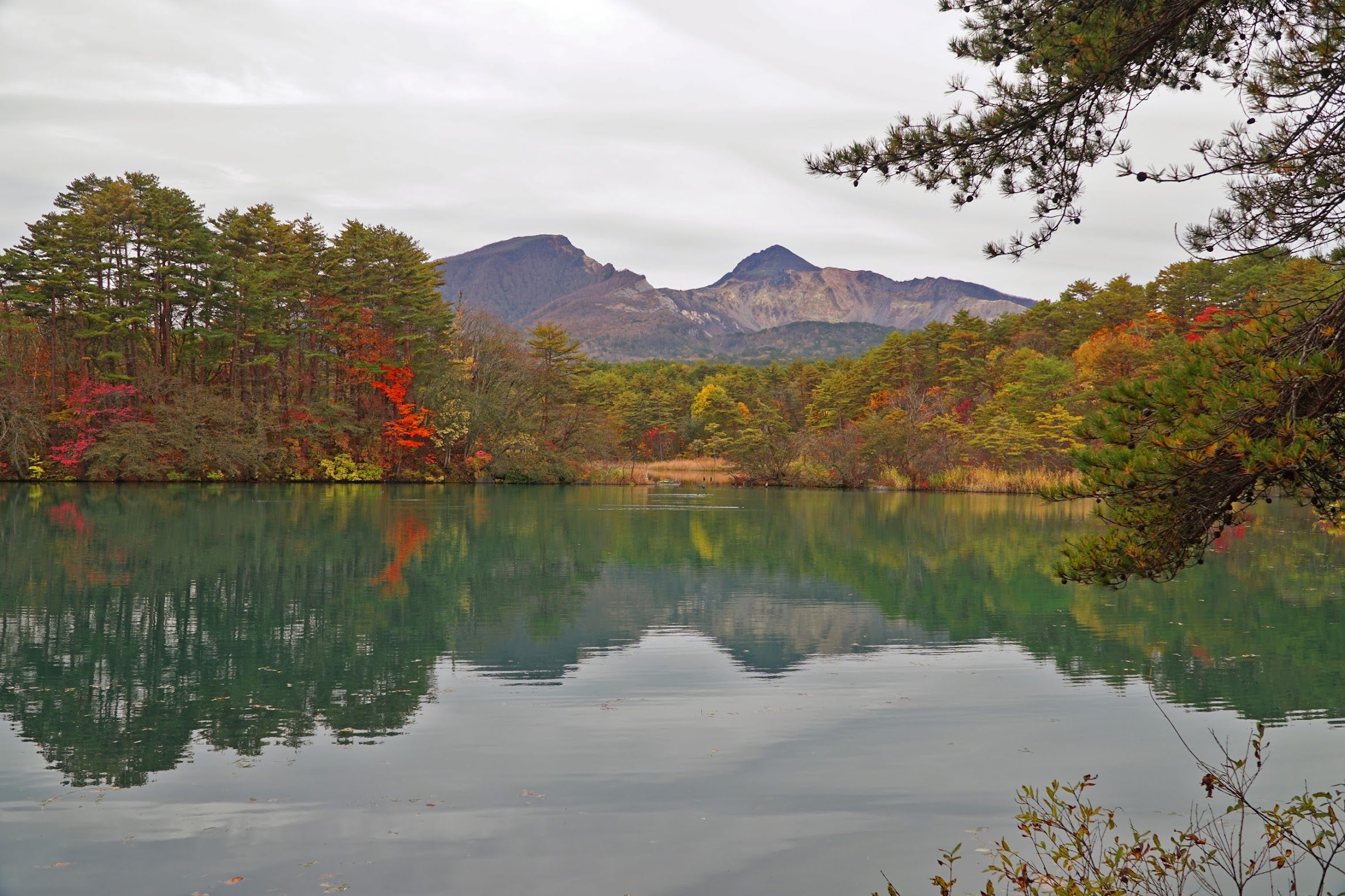
A mystical group of lakes created by the eruption of Mount Bandai.
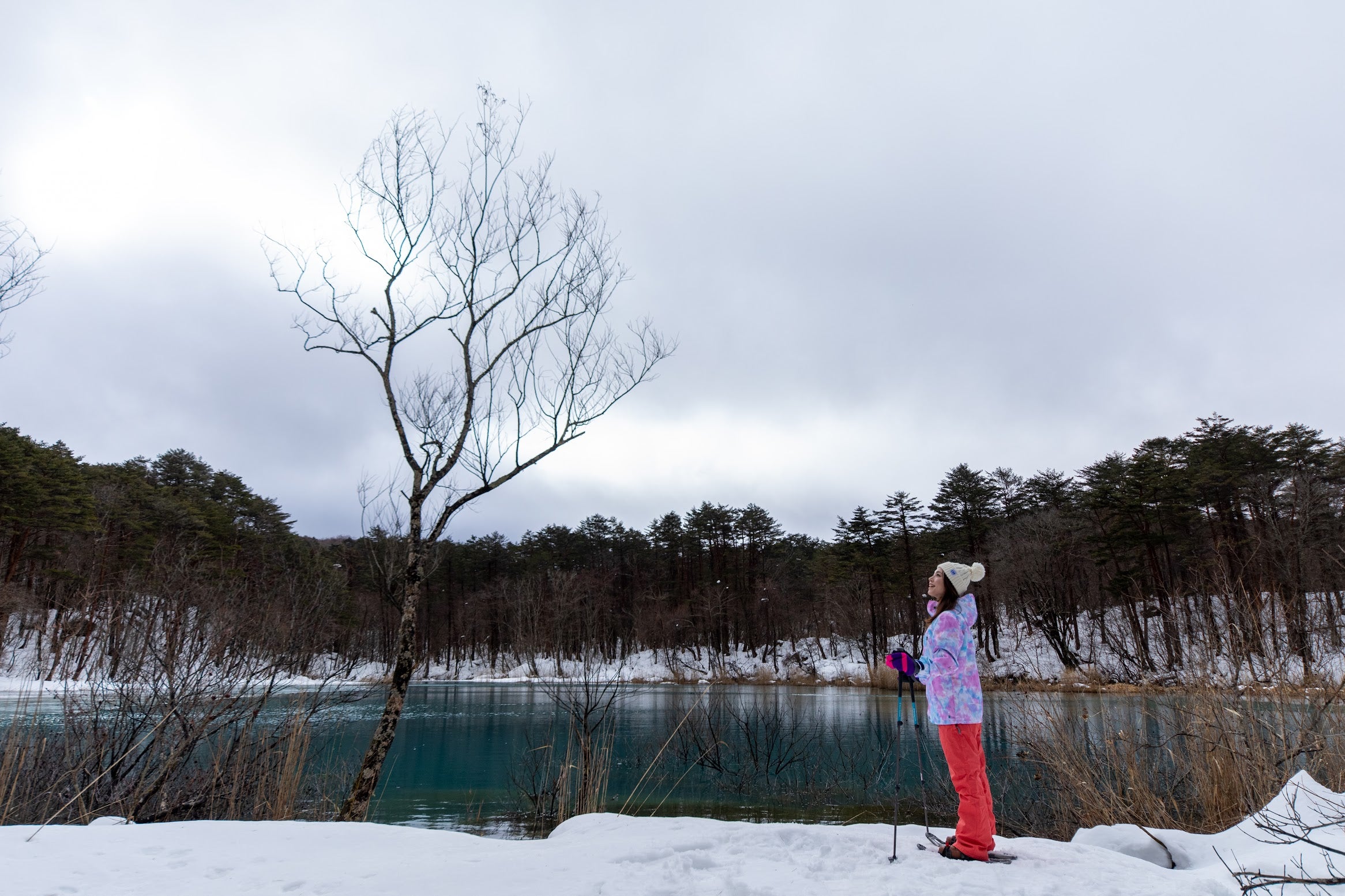
The hiking course 'Goshikinuma Nature Trail' features many ponds scattered along its approximately 3.6 km course, showcasing different colors such as blue, green, and emerald, making it a mysterious spot.
Lake Hibara
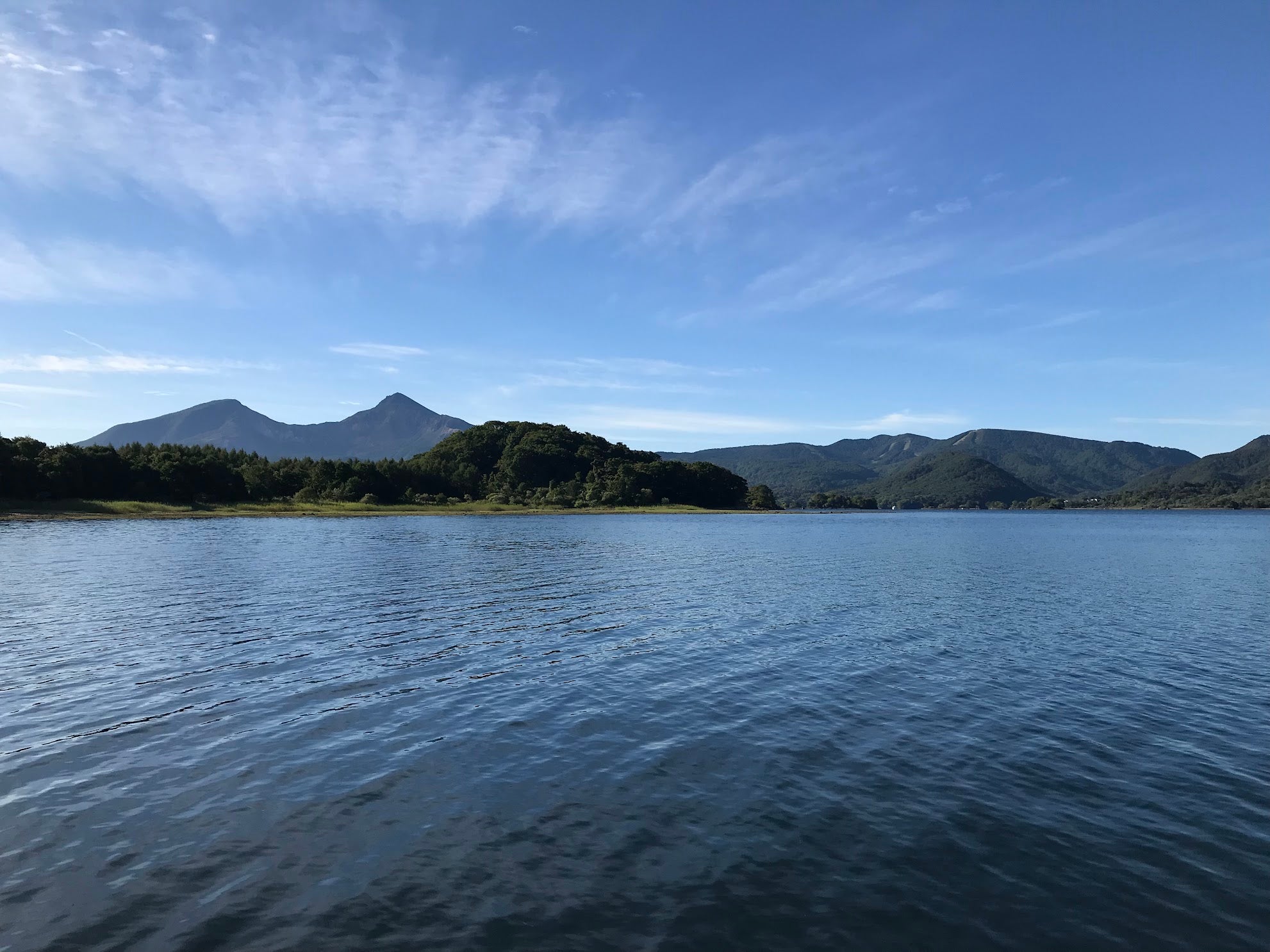
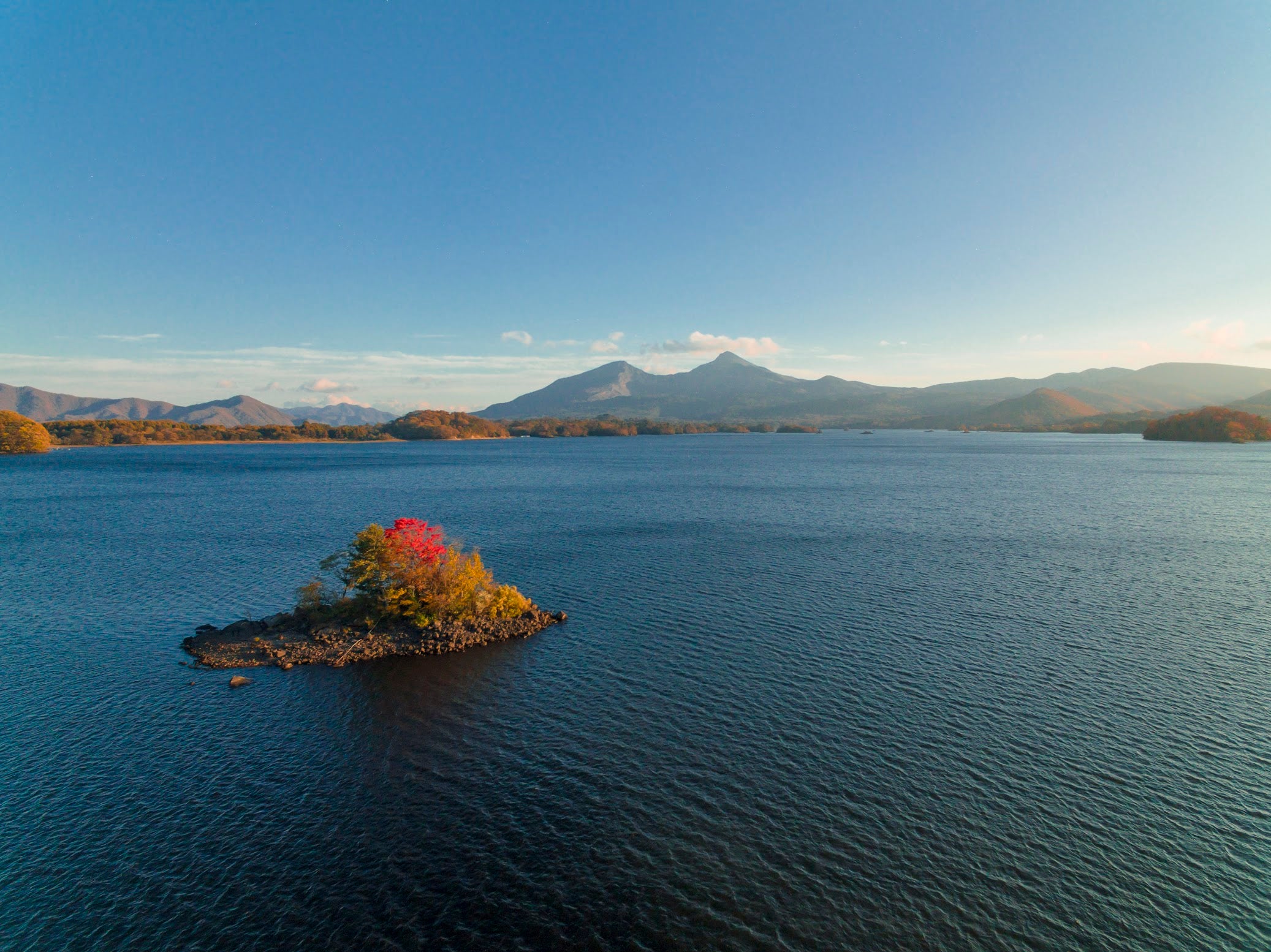
Lake Hibara, the largest lake formed by the damming of rivers due to the eruption of Mount Bandai, is adorned with beautiful islands.
It is the largest lake in Urabandai, with a shoreline of about 31 km and a maximum depth of 31 m.
It offers the best views throughout the seasons, including cherry blossoms, fresh greenery, autumn leaves, and snowy landscapes.
During the green season, simply driving along the lakeside road is enjoyable, especially from mid-May to June, which is the best season for fresh greenery.
Motorboats and sightseeing boats operate, allowing visitors to view Mount Bandai from the lake.
In winter, the lake freezes over, and colorful tents for ice fishing line the surface, becoming a winter tradition in Urabandai.
Lake Sobara
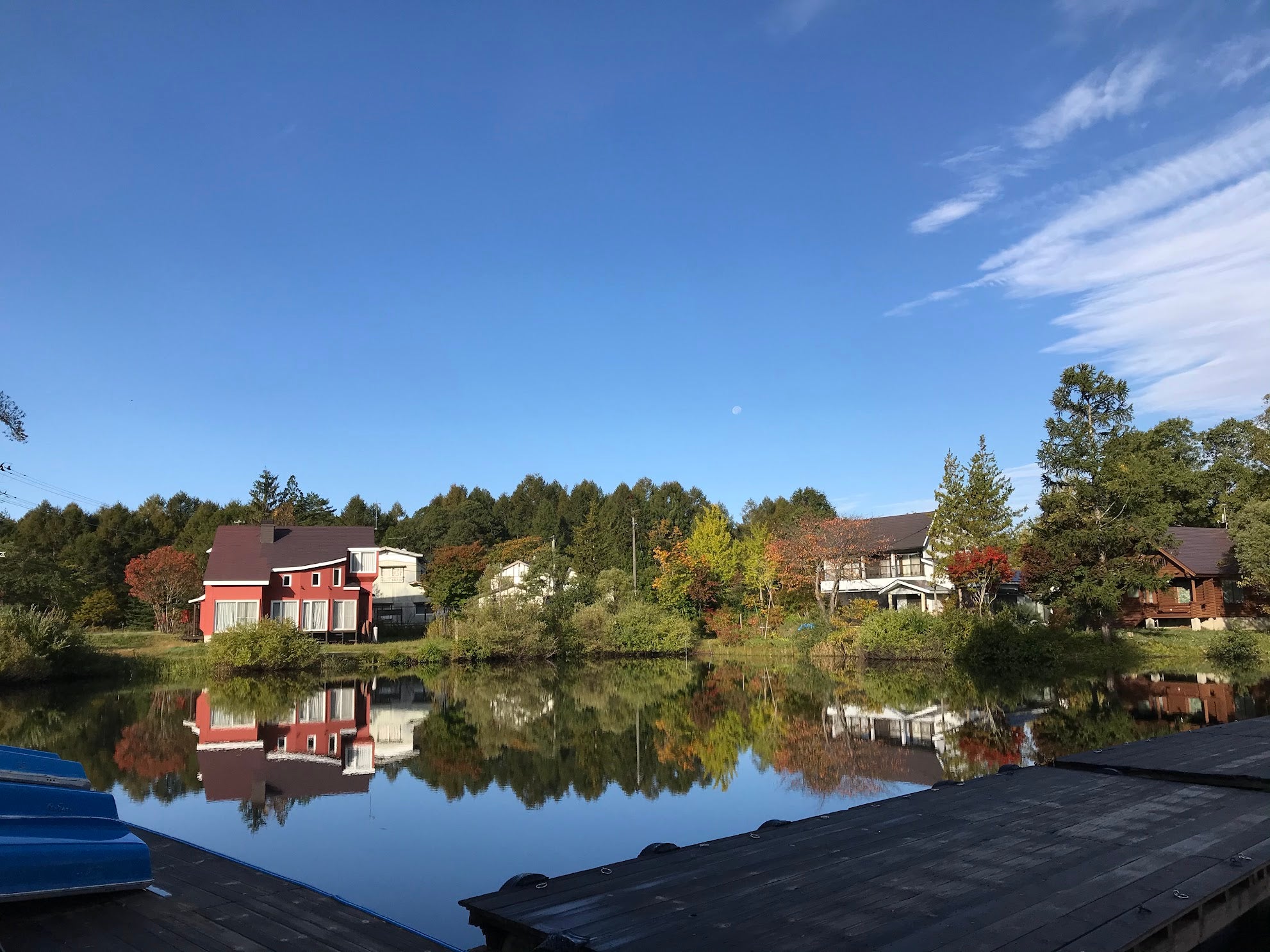
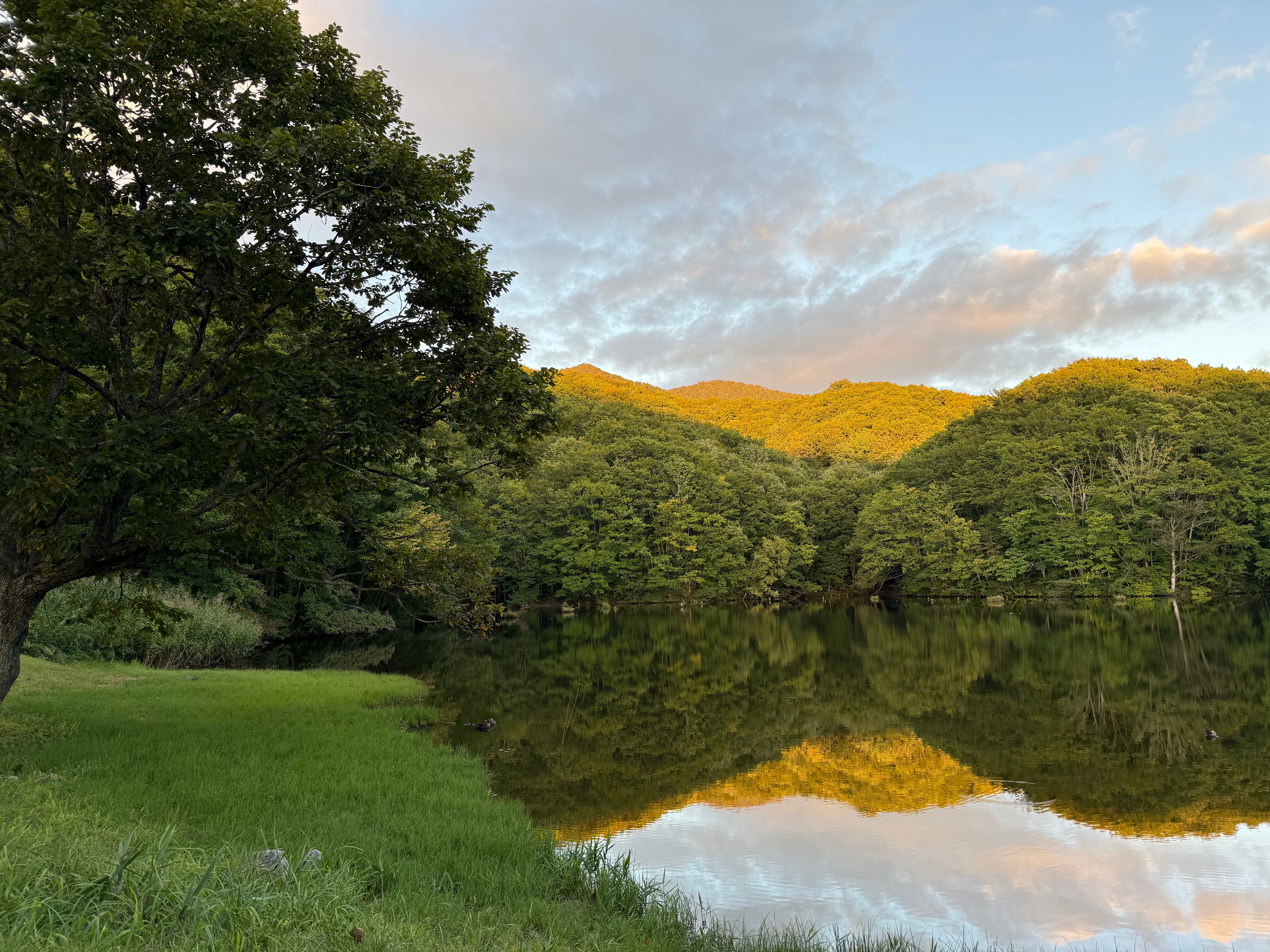
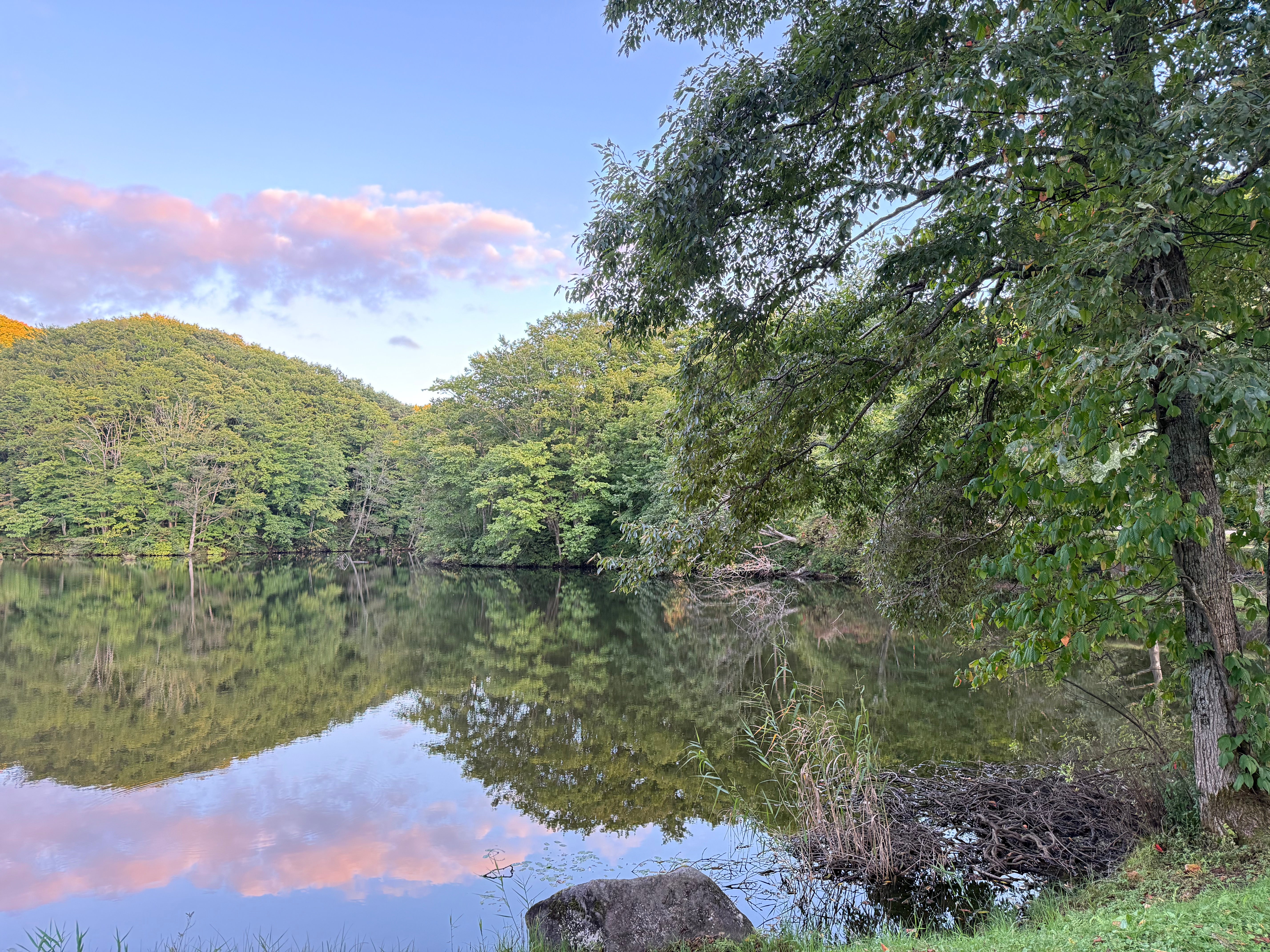
Although it is the smallest lake in Urabandai, it is a popular lake surrounded by forests that is beautiful from any angle.
Small islands are scattered throughout the lake, adding accents to the picturesque scenery.
In winter, it completely freezes, but the partial thaw during the snowmelt season creates a beautiful lake that looks like a painting of the long-awaited spring.
There are also many recommended campsites.
Hibara Lakeside Trail
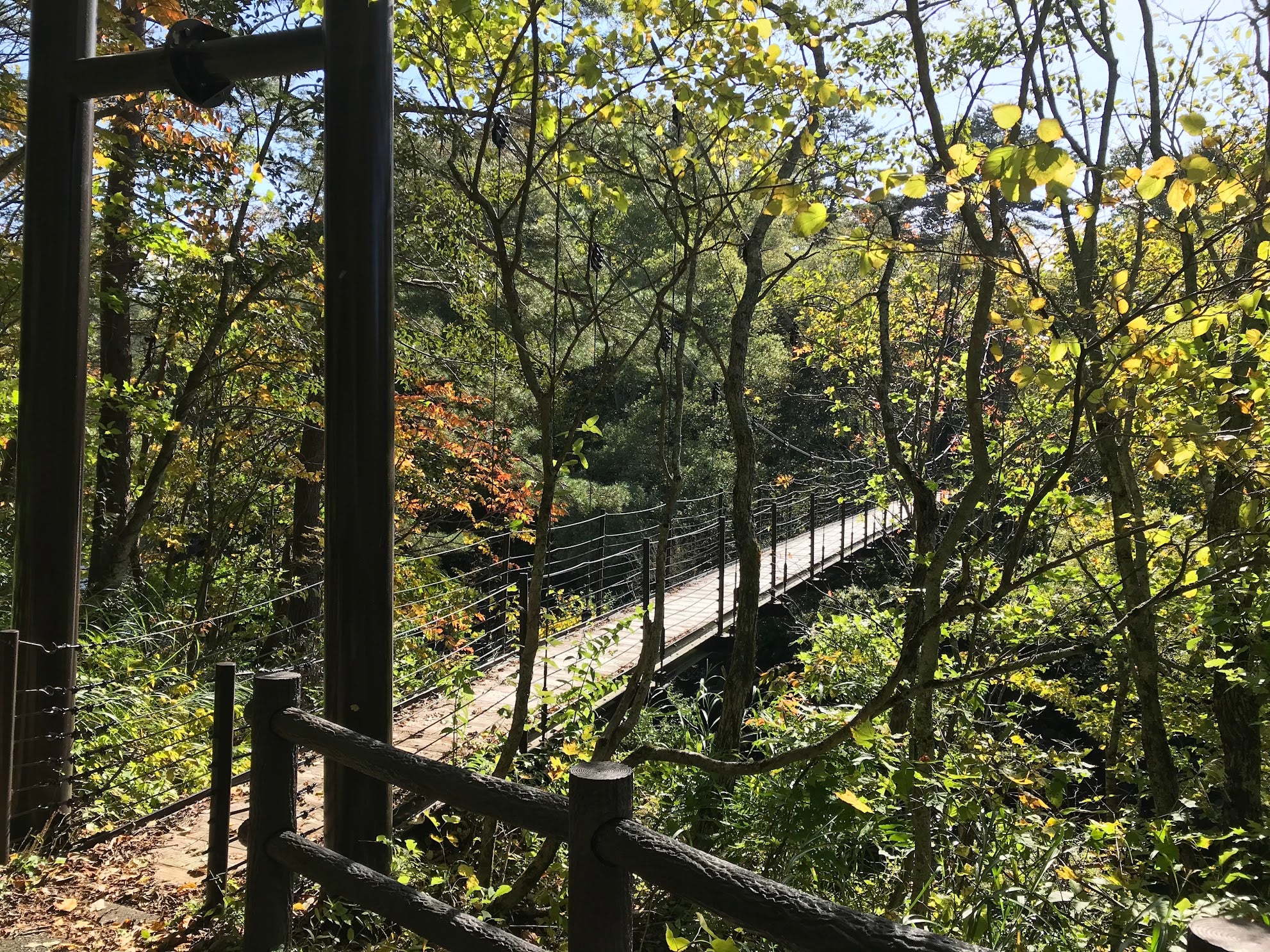
This is a walking course along the eastern shore of Lake Hibara, the largest lake in Urabandai.
The complex shoreline is dotted with many small islands, and the most intricately shaped area, 'Ikari-gata', features the only suspension bridge in Urabandai.
Renge Nakase-numa Trail
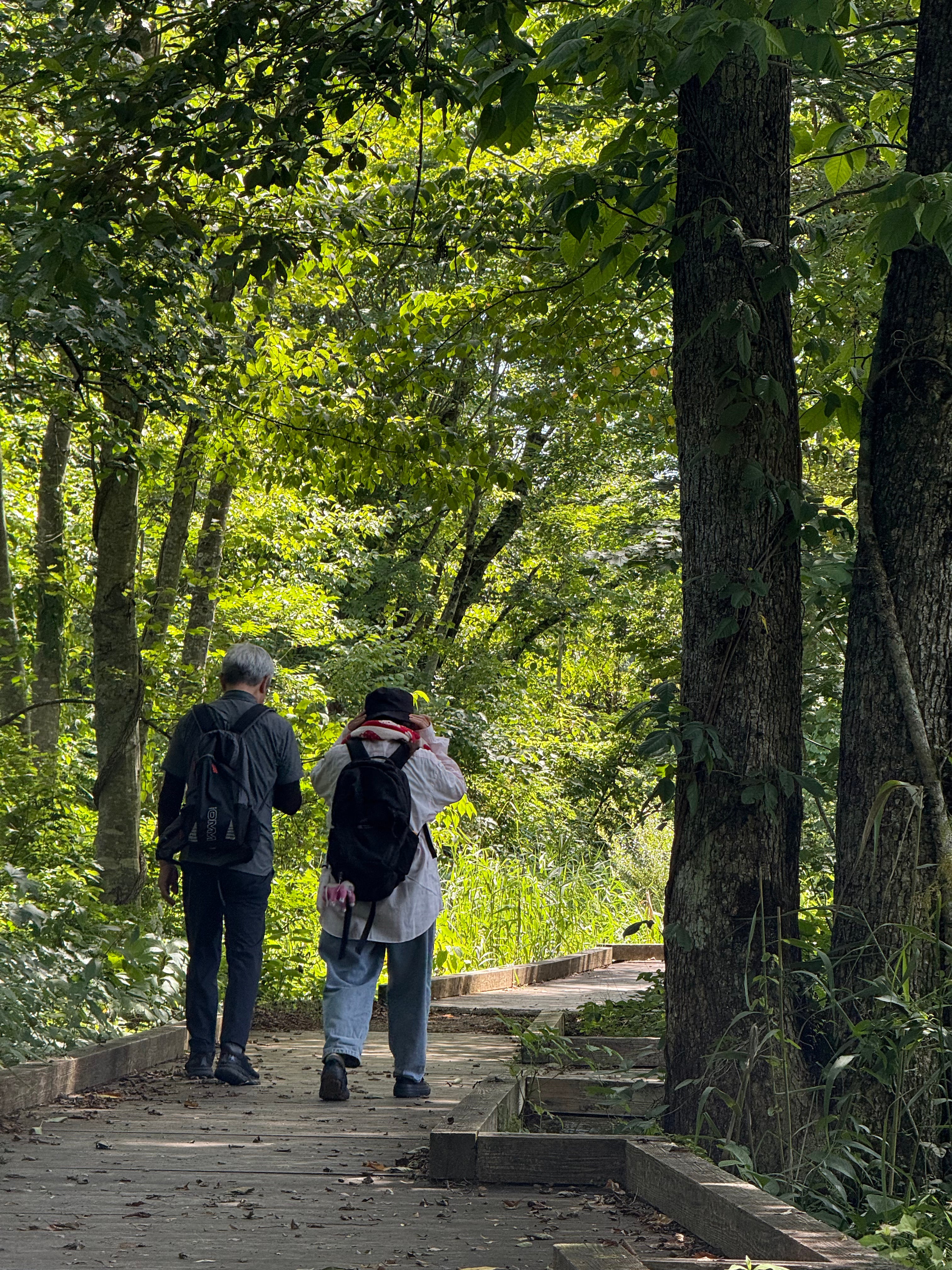
Nakase-numa, a representative viewpoint of Urabandai, has captivated many photographers with its transparent lakes floating with broadleaf forests and the rugged, majestic Mount Bandai towering behind it. Park your car at the Urabandai Site Station and enter the Nakase-numa Nature Trail, which is about a 45-minute loop. Along the path, there are also small hills called 'Nagare-yama' created by the eruption of Mount Bandai. The roads and signposts are well-maintained, allowing for a pleasant stroll while enjoying rare alpine plants and the chirping of birds. It is a holy place for birdwatching.
Onogawa Fudo Waterfall Trail
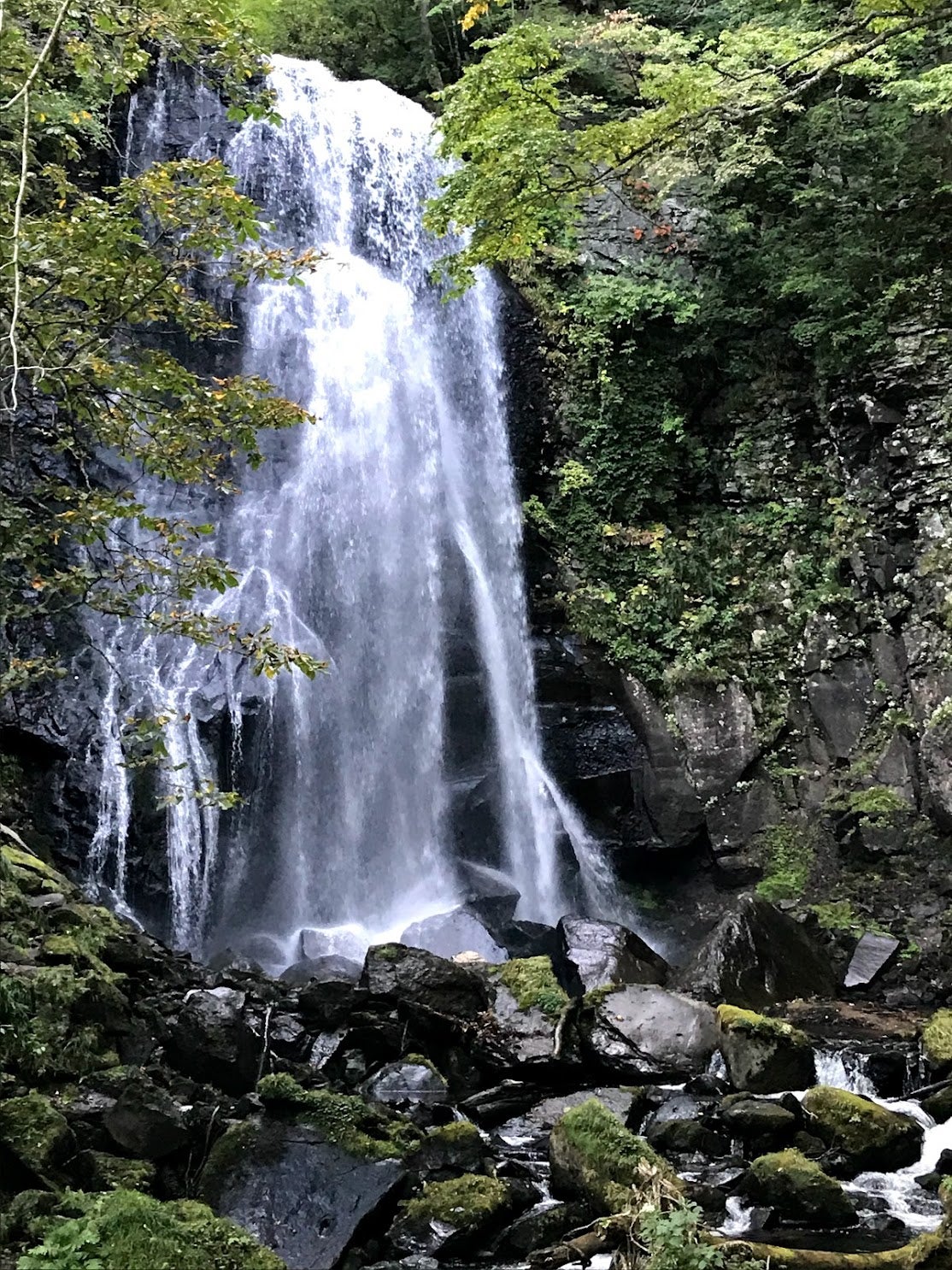
A waterfall located upstream of Onogawa Lake. The name originates from the fact that Fudo Myoo is enshrined at the waterfall's location.
The water flows from Hyakkan Shimizu in the Bandai Highlands and has been selected as one of Japan's top 100 famous waters as 'Onogawa Spring Water.'
The waterfall has a drop of 25 meters, and especially from late April to early May each year, it has the most powerful water flow due to snowmelt.
In summer, it becomes a refreshing retreat where one can feel the invigorating splash of water, and in autumn, the foliage is beautiful.
Kitayama Yakushido
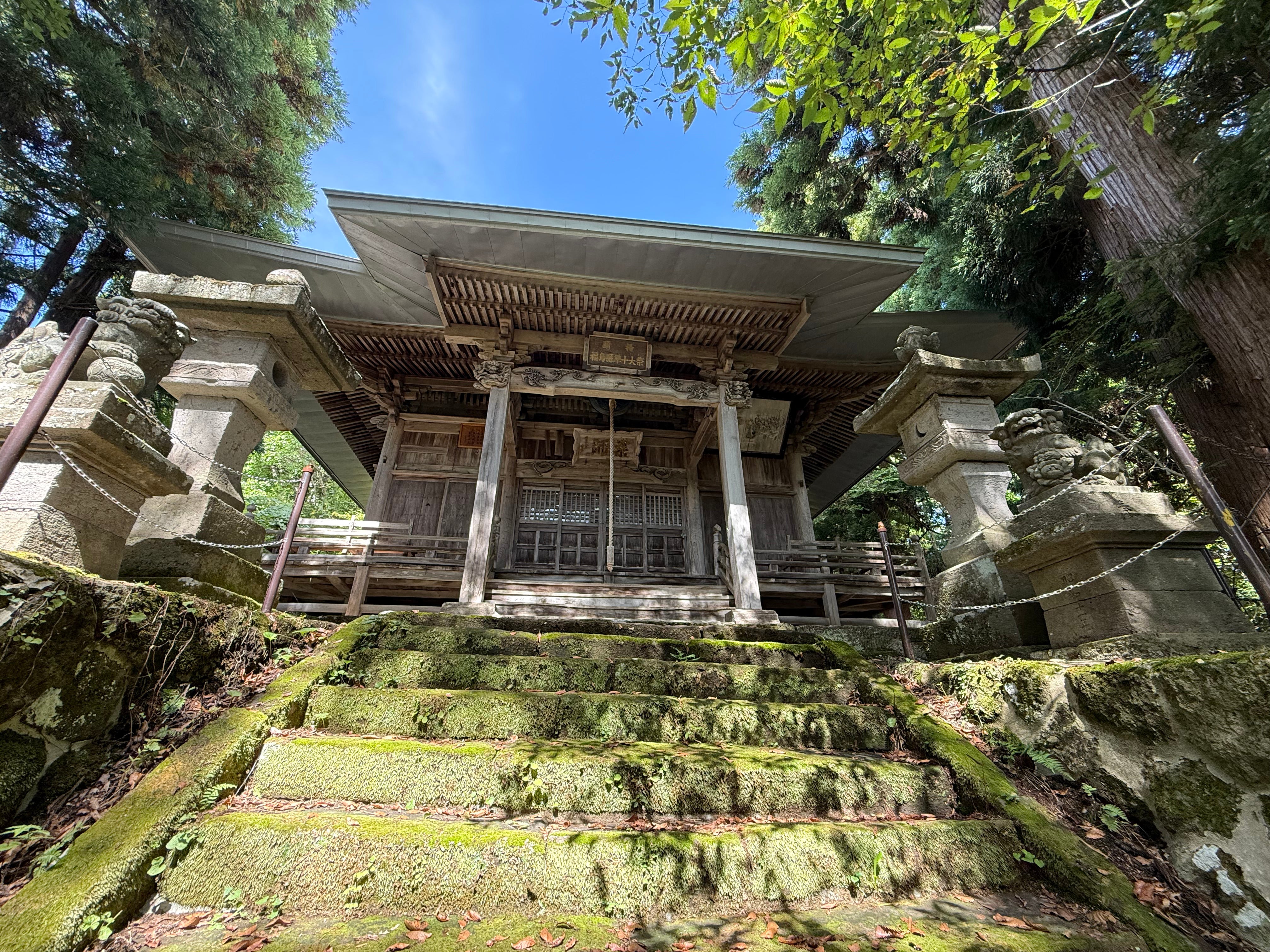
One of the Aizu Five Yakushi, the northern Yakushi. This Yakushi area was known for its lacquer production, hence it is also called 'Kitayama Urushi Yakushi'.
There is a custom called 'Futatsuko-mairi' where children who turn two visit to pray for their healthy growth.
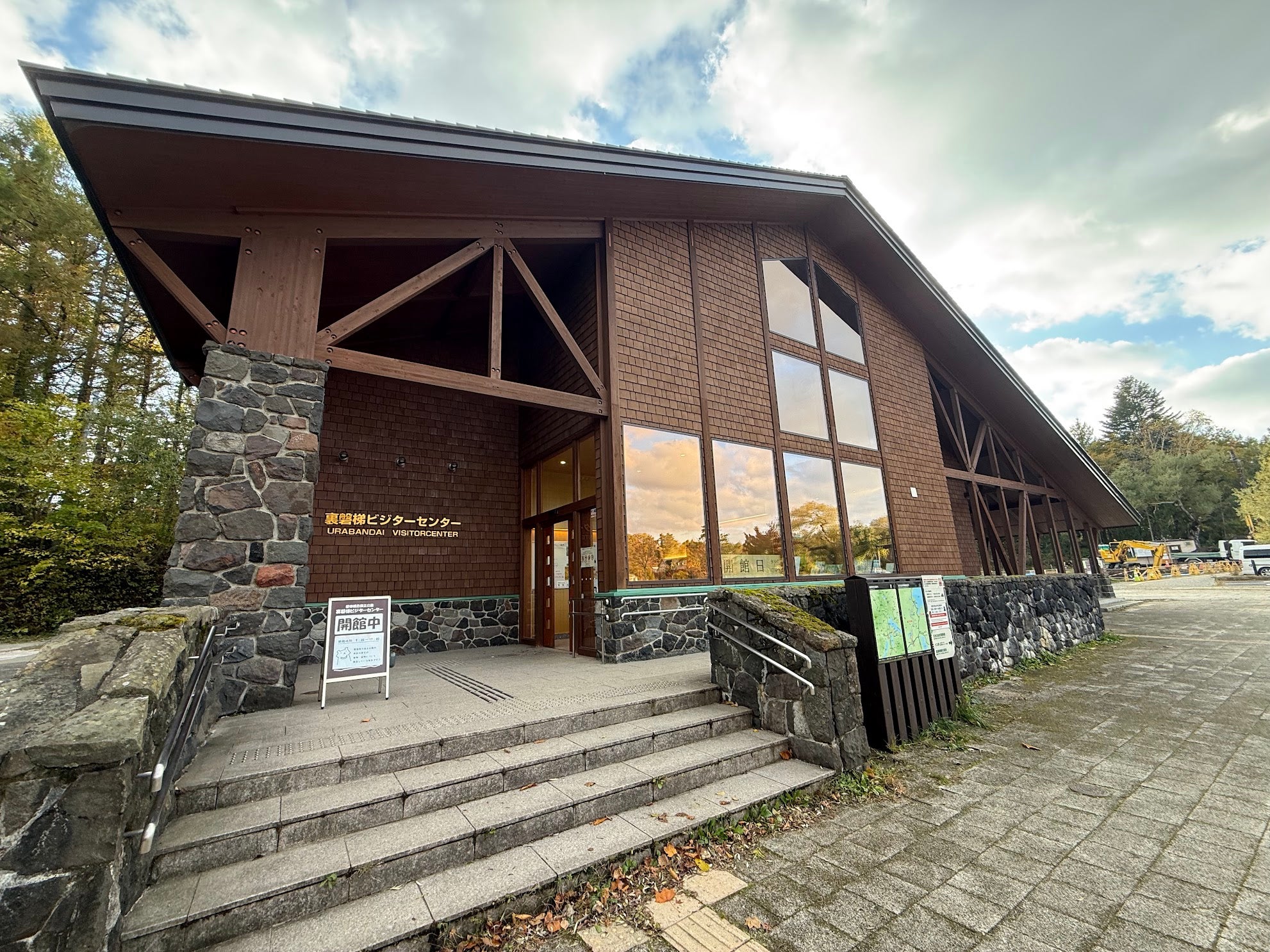
Urabandai Visitor Center
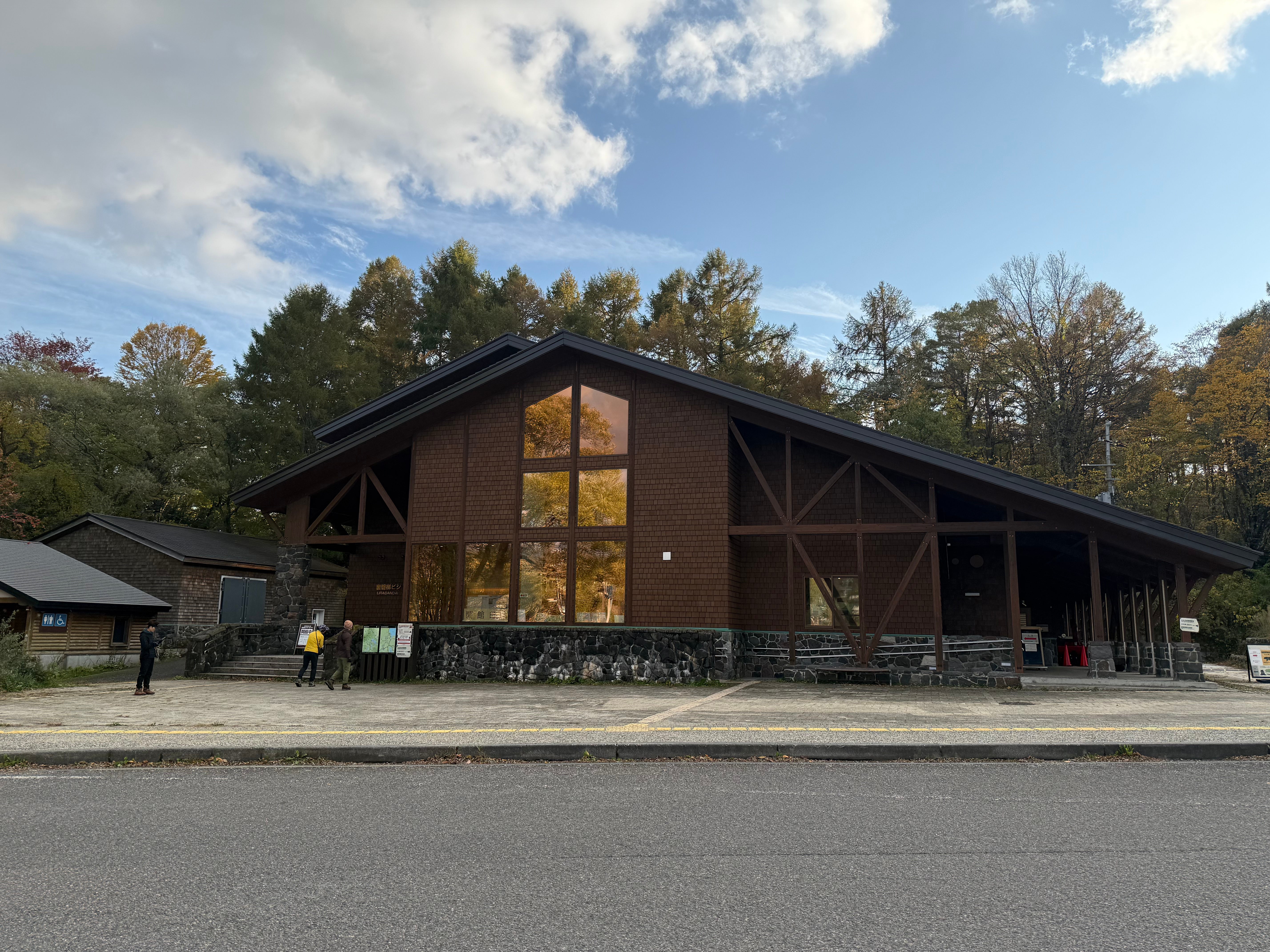
A facility where you can learn about nature and wildlife. It's more enjoyable if you stop by before your walk.
It will be renovated and reopened in 2025, with enhanced exhibits.
Urabandai Site Station
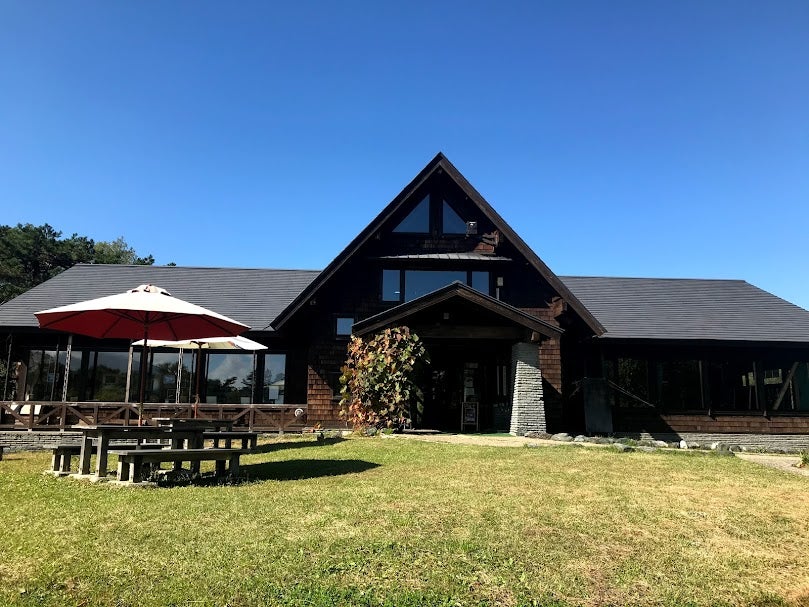
A village facility that provides information about nature trails and seasonal highlights. It is a free rest area where you can also enjoy your lunch inside. There is a rental room available for 1,000 yen per hour, even for those from outside the village, and wifi is available, making it recommended for workations.