Aizuwakamatsu City | Major Tourist Areas | Threads of Travel

Aizuwakamatsu City

Aizuwakamatsu City

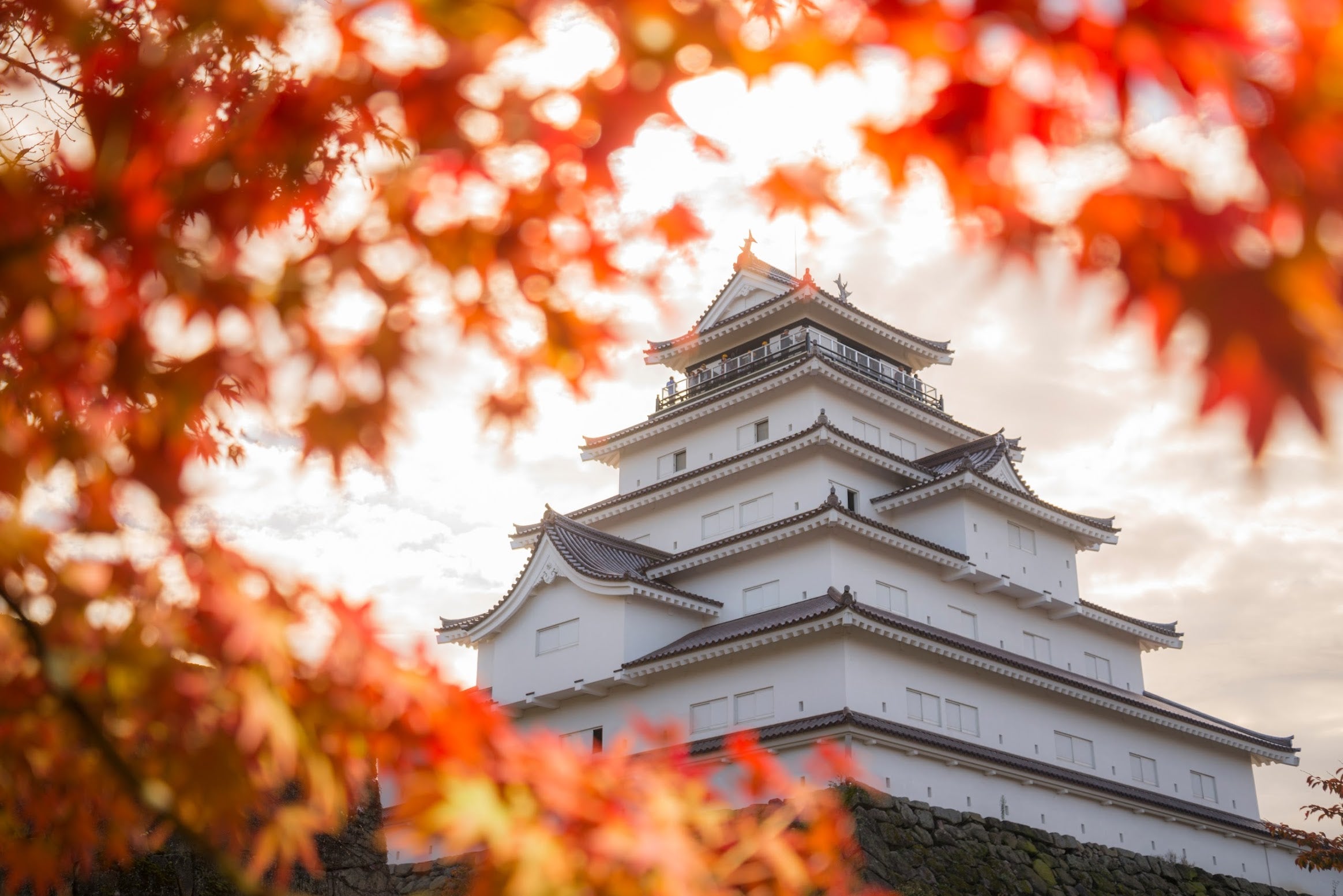
Aizuwakamatsu City, known as the castle town of "Tsuruga Castle," is a city rich in history that etched its name as the stage of the Boshin War.
As symbolized by the tragedy of the Byakkotai, the people of Aizu valued "honor" and lived with the noble spirit of samurai pride. Tsuruga Castle, towering in the city center, is a symbol of resilience that endured the flames of war, and the castle town still retains the traces of samurai culture. Walking through the old streets, you can feel the breath of history and the indomitable spirit of the Aizu people. With seasonal landscapes, Aizu lacquerware, and local cuisine such as "Kozuyu," the culture, history, and food all hold charm.
It is a popular tourist destination, also referred to as the “Little Kyoto of Tohoku,” where you can leisurely enjoy sightseeing, strolling, and gourmet experiences.
 

Attractions of History and Culture

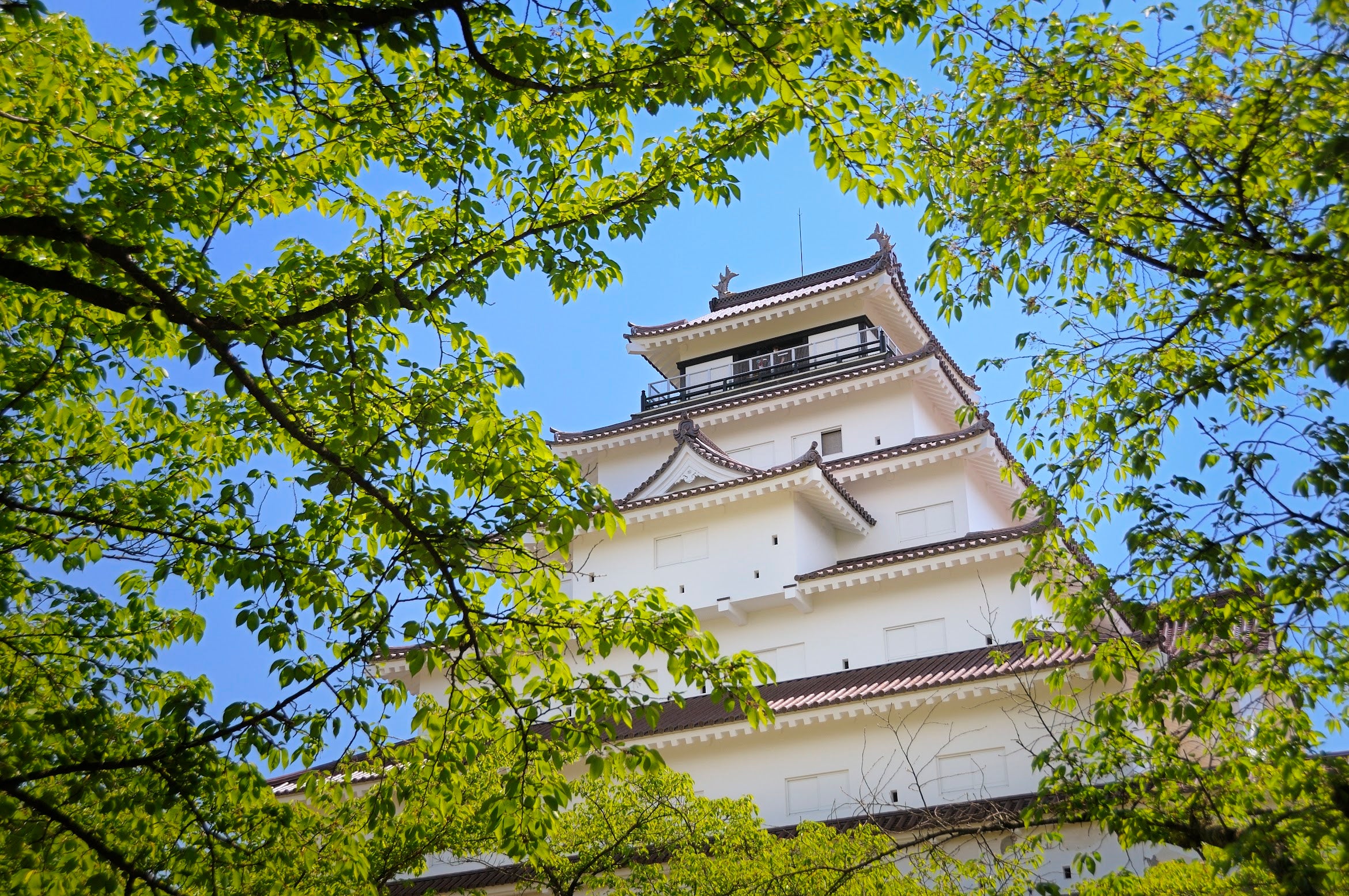
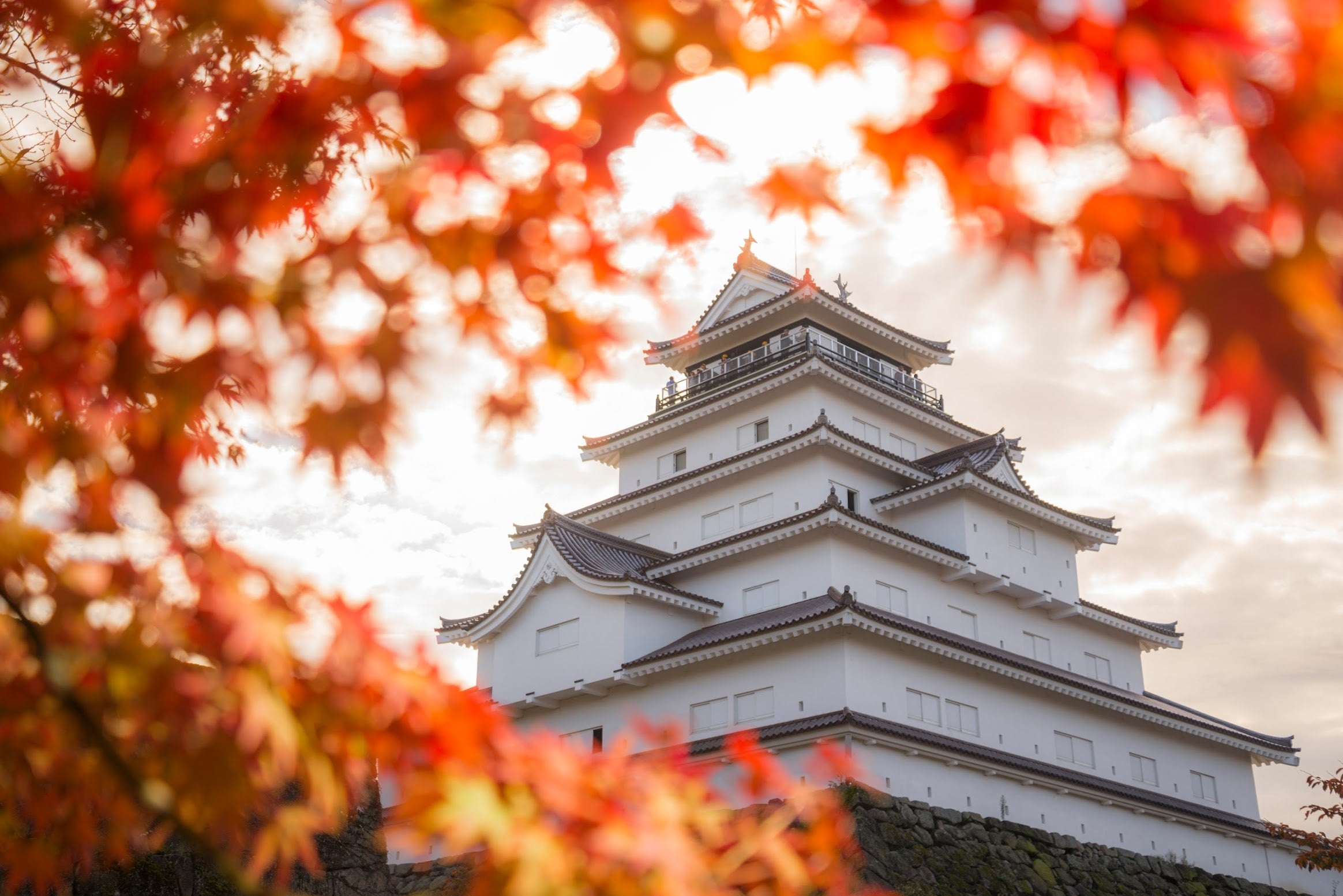
Tsuruga Castle (Aizuwakamatsu Castle)
Tsuruga Castle (Aizuwakamatsu Castle)

A famous castle that symbolizes Aizu. Known as a castle that withstood the fierce battles of the Boshin War, it offers beautiful scenery throughout the seasons, including cherry blossoms in spring, autumn leaves, and winter snow. From the main keep, you can overlook the city, and there is also a history museum on the premises.
 

Iimoriyama
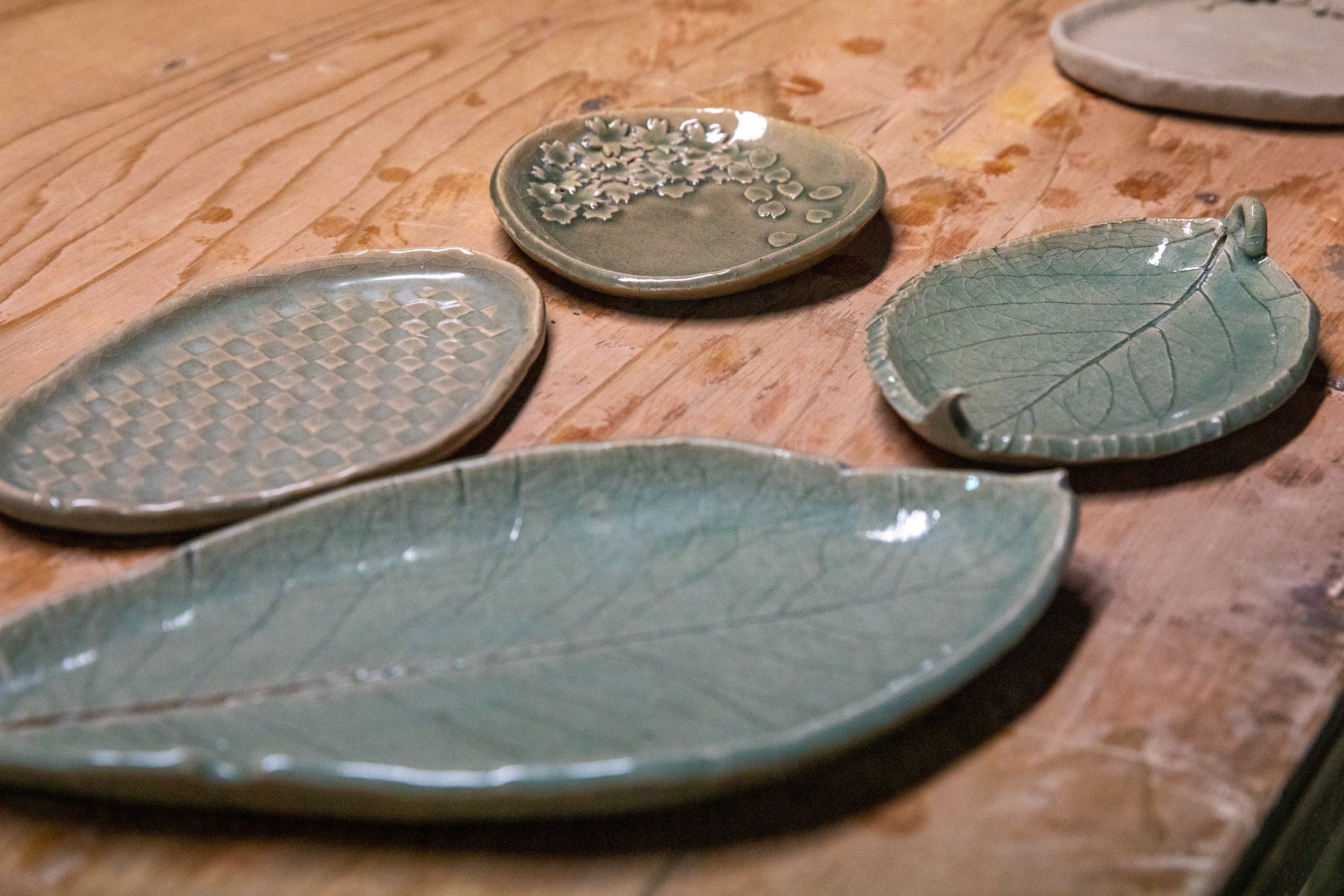
Iimoriyama

Famous as the tragic site where the Byakkotai committed seppuku.
From the mountaintop, you can see Tsuruga Castle, and you can learn about Aizu's history at the Byakkotai Memorial Museum and other facilities.
 

Retro Nanokamachi Street
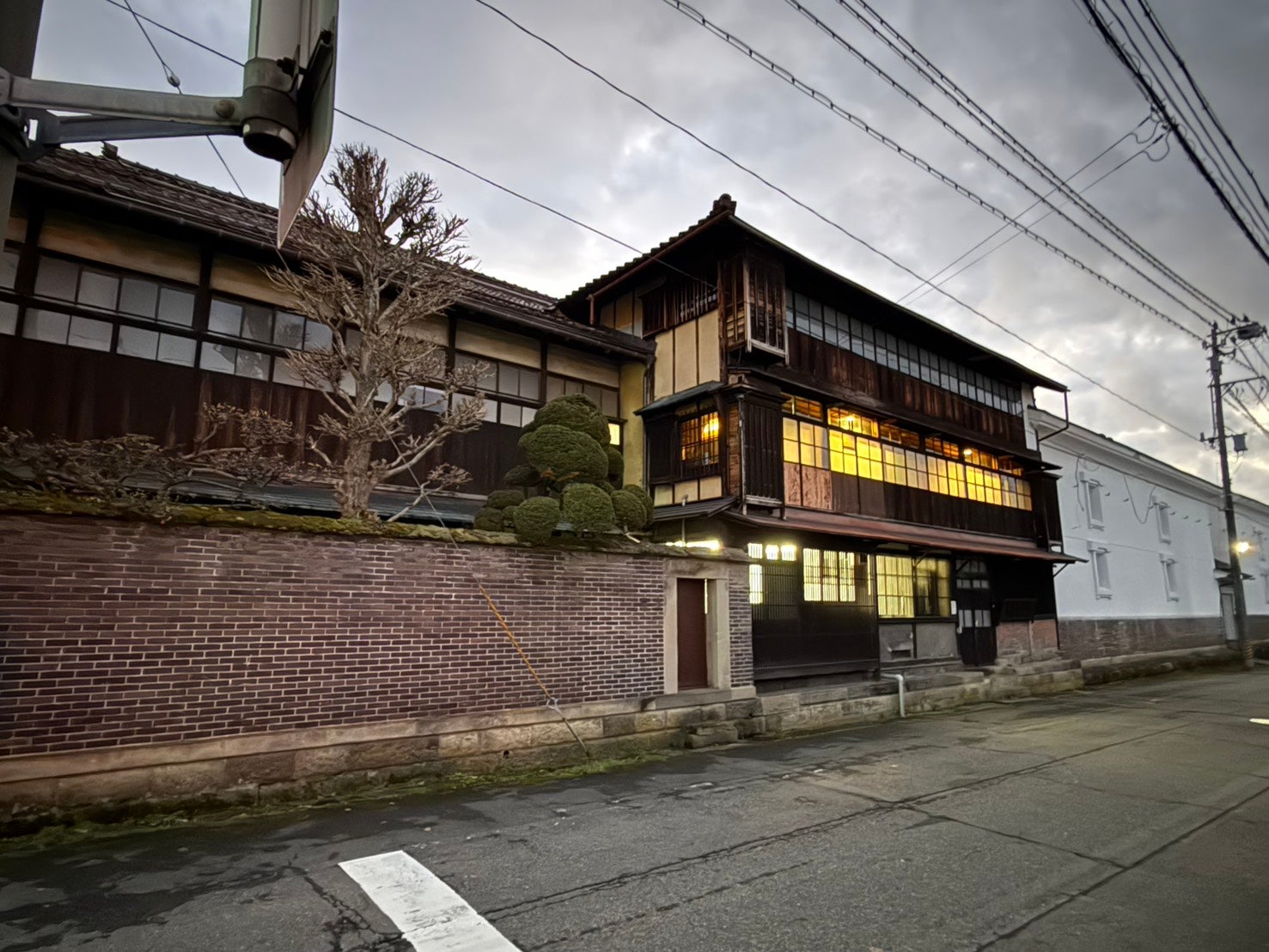
Retro Nanokamachi Street

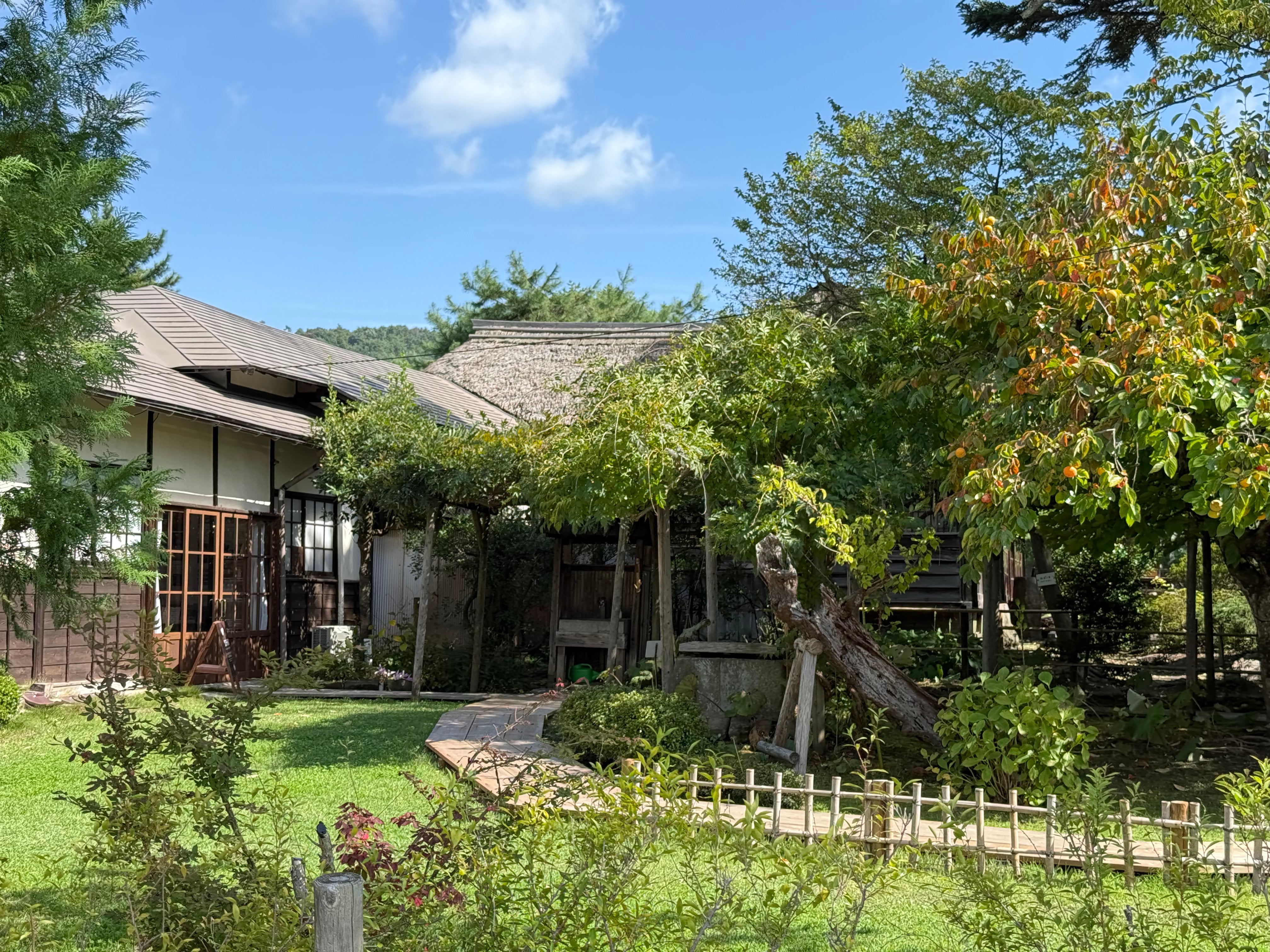
Nanokamachi Street, with an atmosphere of Taisho Romance, was a major road during the feudal era, connecting the five main roads of Aizu: Nikkō, Echigo, and Yonezawa. It was lined with wholesalers, inns, and restaurants as the western entrance to the castle town.
Even today, it remains a popular street for tourists, where you can feel the essence of Taisho Romance.
 

Miyakuen
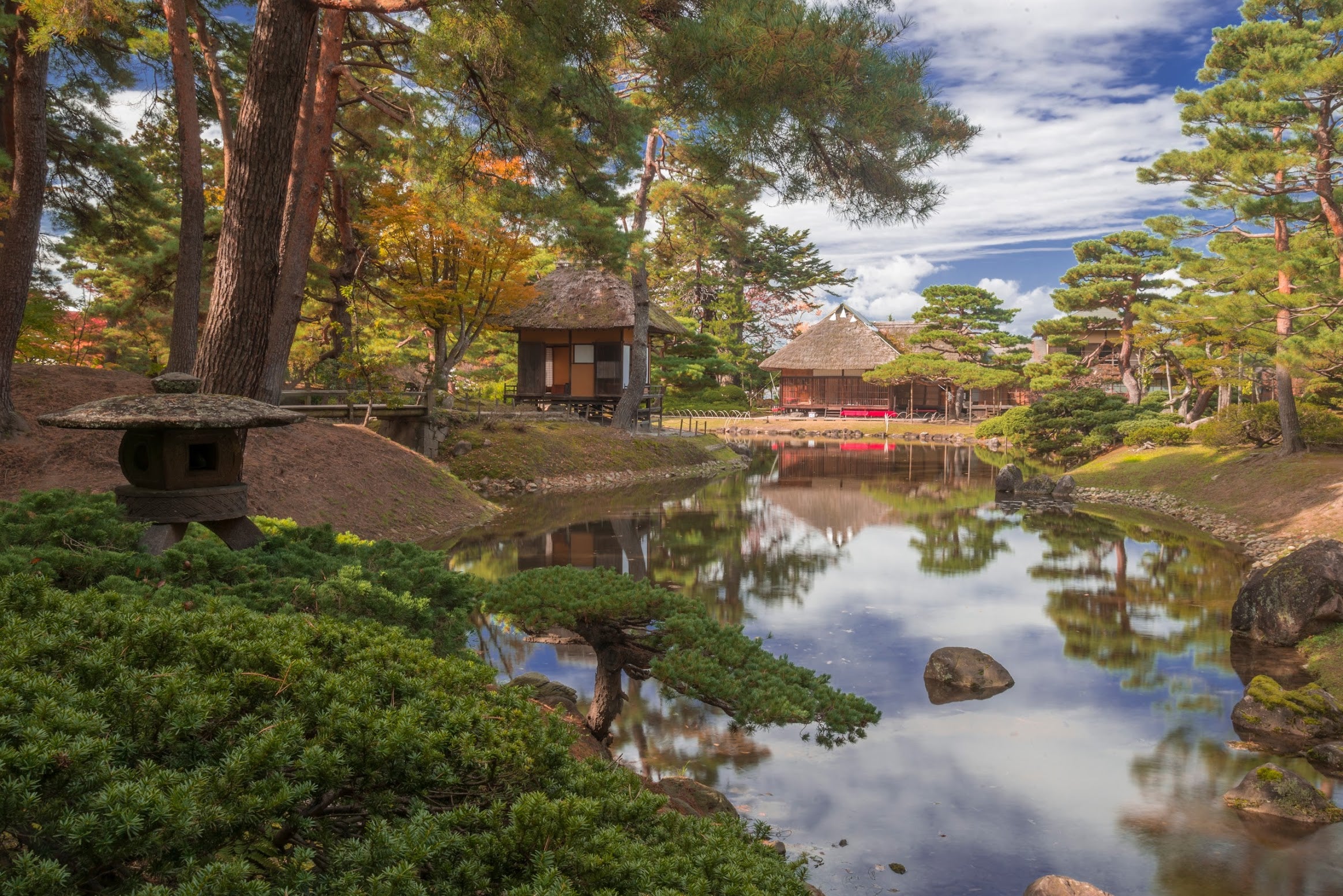
Miyakuen

A beautiful Japanese garden designated as a national scenic spot. Particularly, the area where the sacred spring (medicinal water) flows became known as "Oyakuen" because successive lords cultivated medicinal herbs there. The founder of the Aizu Matsudaira clan, Lord Masayuki, developed it as a daimyo garden, and the second lord, Masakiyo, established a medicinal herb garden for research on herbs used for preventing and treating diseases, including encouraging the cultivation of Korean ginseng.
 

Iimoriyama Byakkotai
Iimoriyama Byakkotai

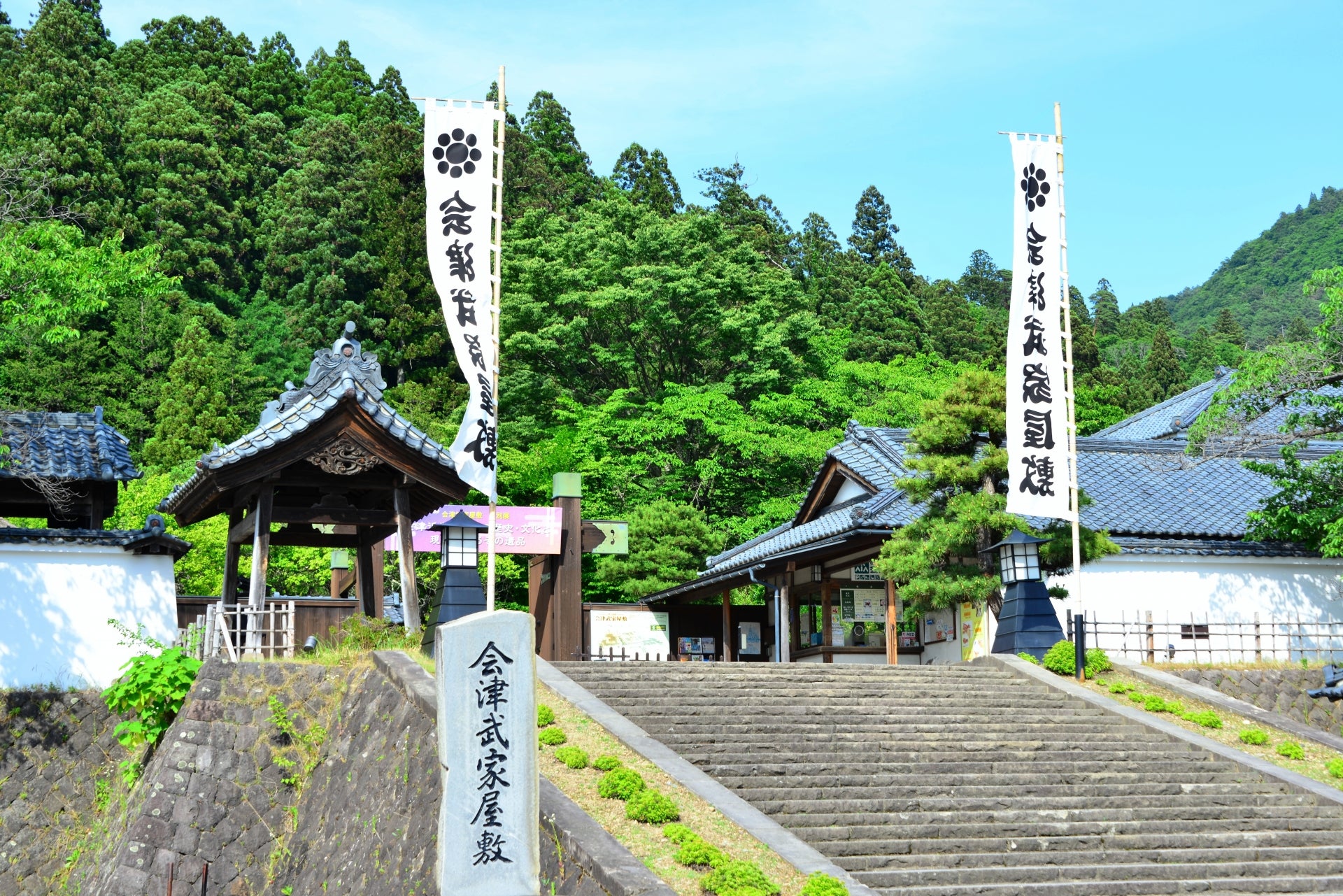
During the Edo period, Aizu was known as the "Aizu Domain" and became the stage of the Boshin War. The tale of the tragic boy soldiers, the Byakkotai, is particularly famous and is still regarded as a symbol of Aizu's samurai spirit.

Aizu Lacquerware & Akabeko
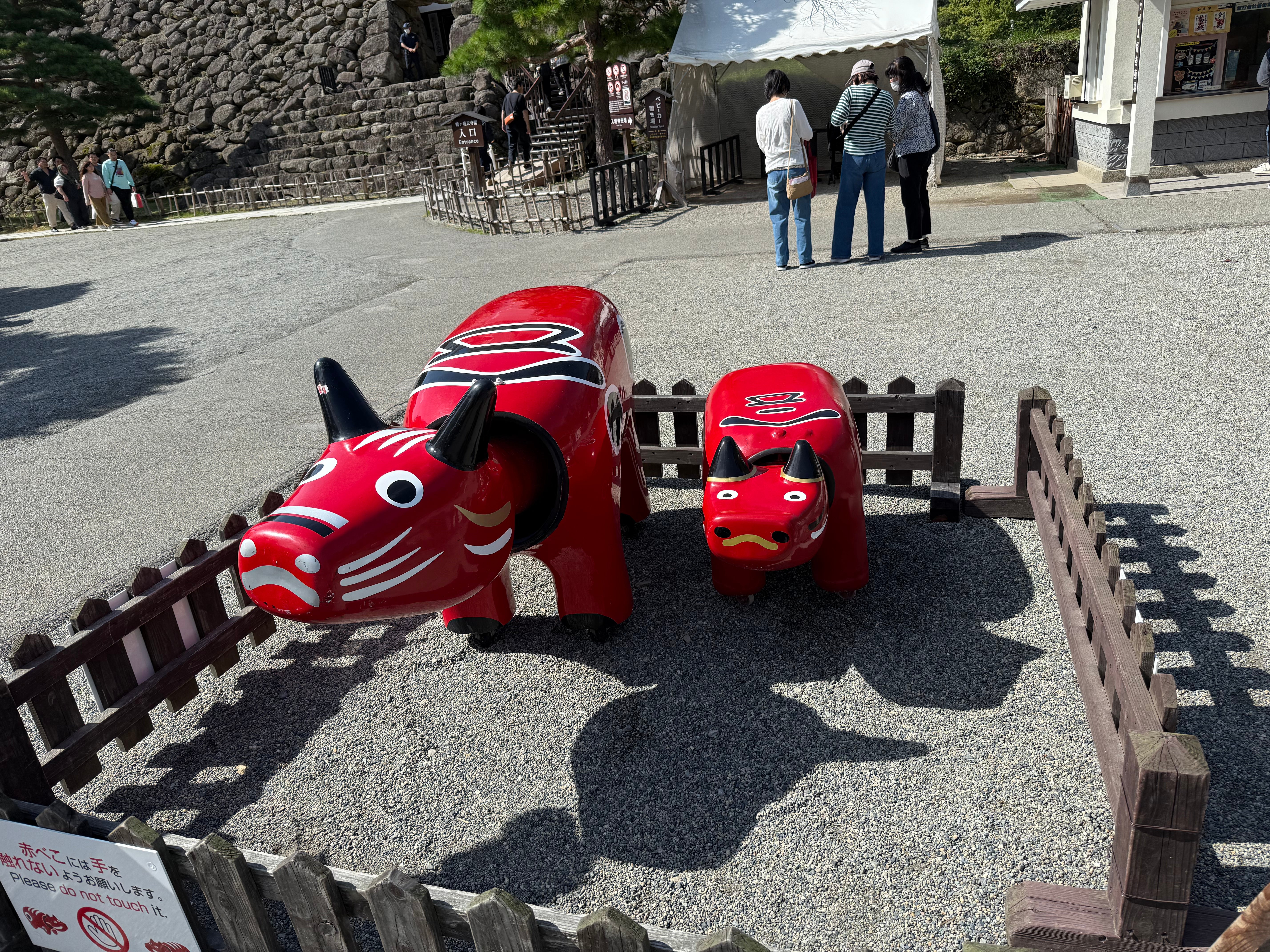
Aizu Lacquerware & Akabeko

Traditional crafts such as "Aizu lacquerware" and "Akabeko" are well-known. Akabeko is cherished as a talisman for warding off evil and for health wishes.
Gourmet

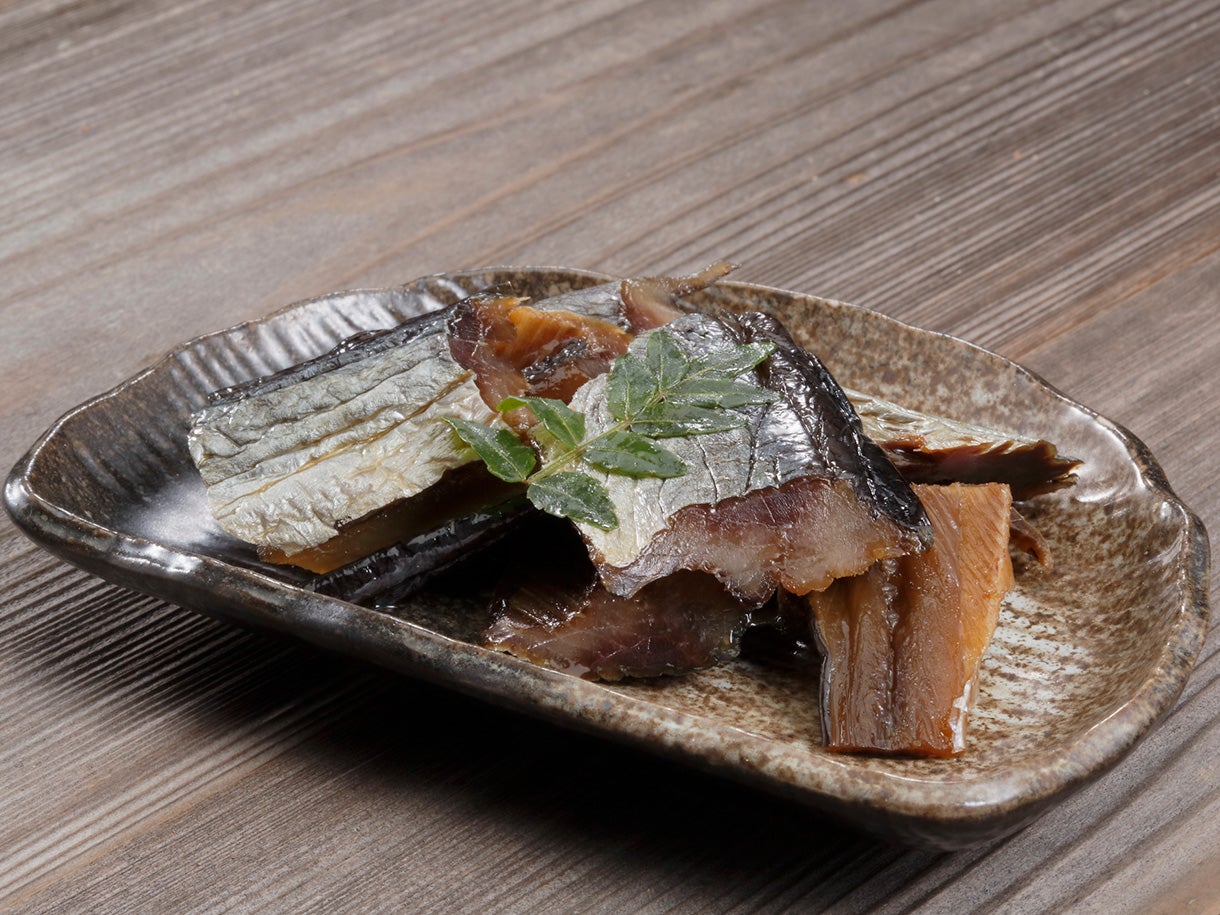
Herring Pickled in Sansho

Herring Pickled in Sansho

A dish born from the culture of preserved foods.

The charm of Aizu, the Buddhist capital.

Hachiyouji Amida Hall

Hachiyouji Amida Hall

Also referred to as the Mount Koya of Aizu, the temple grounds feature the Amida Hall, said to be established by the monk Kuya. There is a custom of placing the belongings of deceased relatives into small towers known as "wooden five-ring towers" for memorial purposes, and over 14,000 five-ring towers have been dedicated in the temple's reliquary hall. It is also famous for the Aizu pilgrimage and Kuya Nembutsu dance. Nationally designated important cultural property.
 

Aizu Thirty-Three Kannon

Aizu Thirty-Three Kannon

With the establishment of the Tokugawa shogunate, public safety and the economy stabilized, and the improvement of highways for the sankin-kotai system progressed, leading to a nationwide increase in pilgrimages to Ise and Kumano, as well as the pilgrimage to the 33 Kannon of Western Japan. The same was true among the people of Aizu, who embarked on grand travels, prompting concerns about the outflow of large sums of money outside the domain. Thus, the Aizu 33 Kannon was established as a policy to prevent the outflow of funds and labor.
 

Sake Brewery

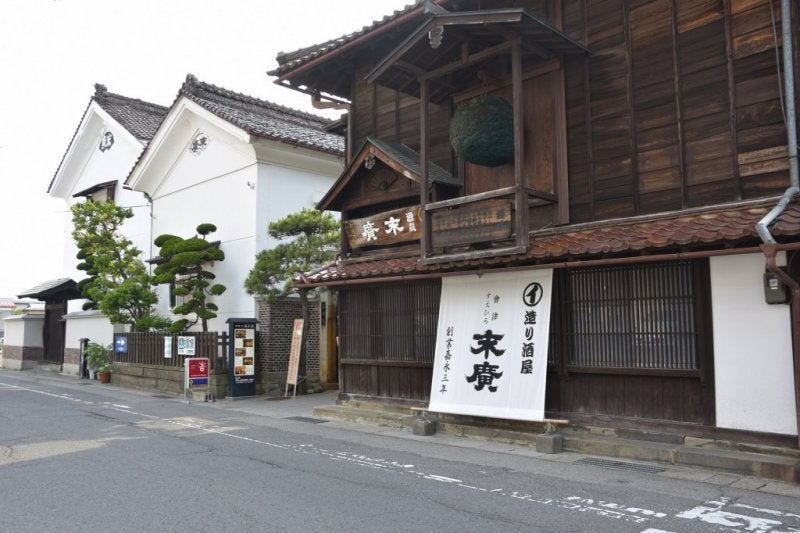
Suehiro Sake Brewery, Kaei Storehouse

Suehiro Sake Brewery, Kaei Storehouse

The founding year is 1850 (Kaei 3). During the Meiji era, the first sake brewing by a toji was realized in Fukushima Prefecture. In the Taisho era, the founder of Yamahai brewing, Mr. Kanichiro Kagi, attempted trial brewing of "Yamahai", which has been passed down to the present day.
 

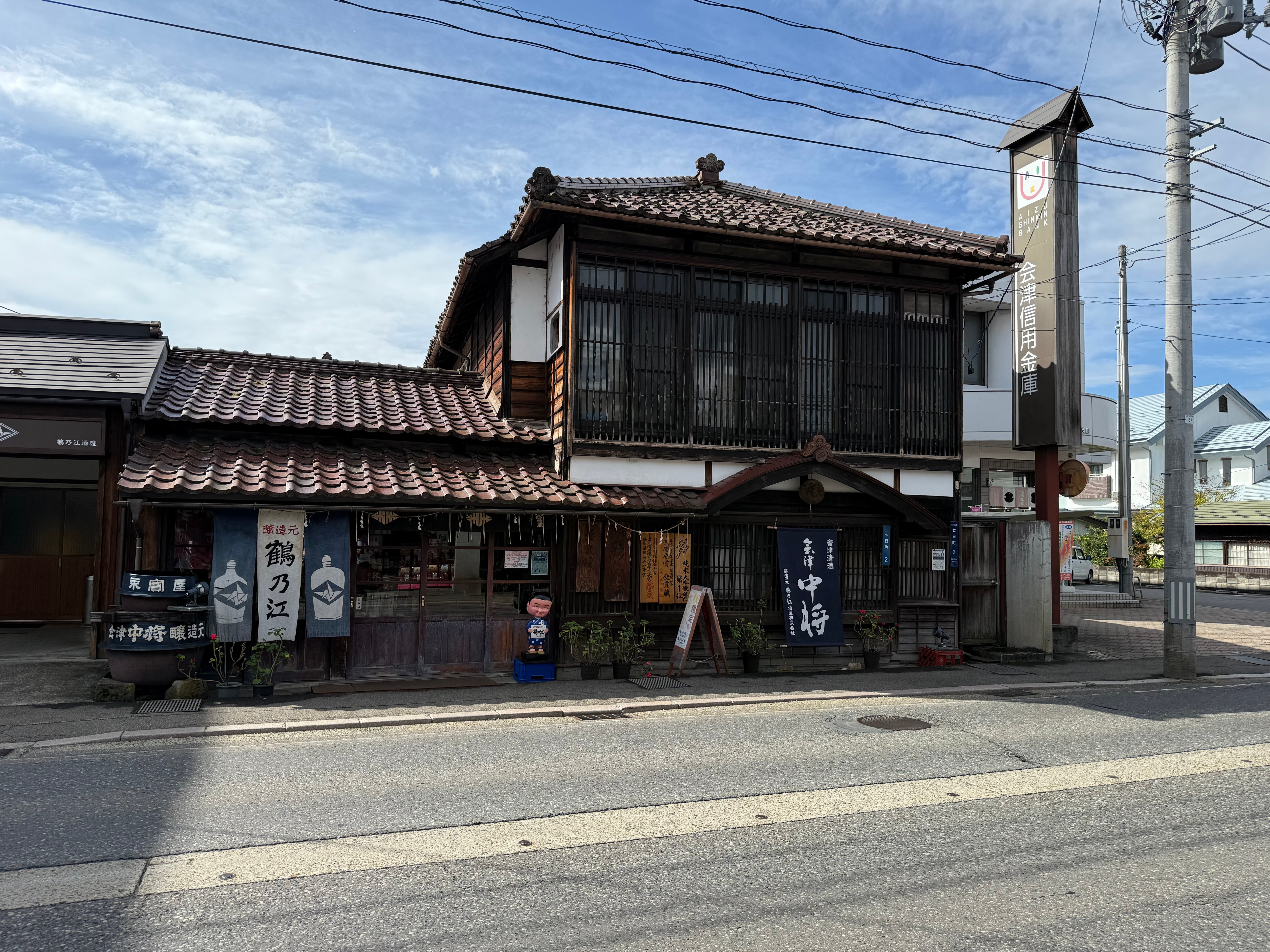
Tsurunoe Sake Brewery

Tsurunoe Sake Brewery

Serious sake brewing tailored to the climate of Aizu. We follow traditional methods and make sake while observing its face (tsura).
Sake (moromi) is a living thing... We brew while watching the daily changes in its state.
 

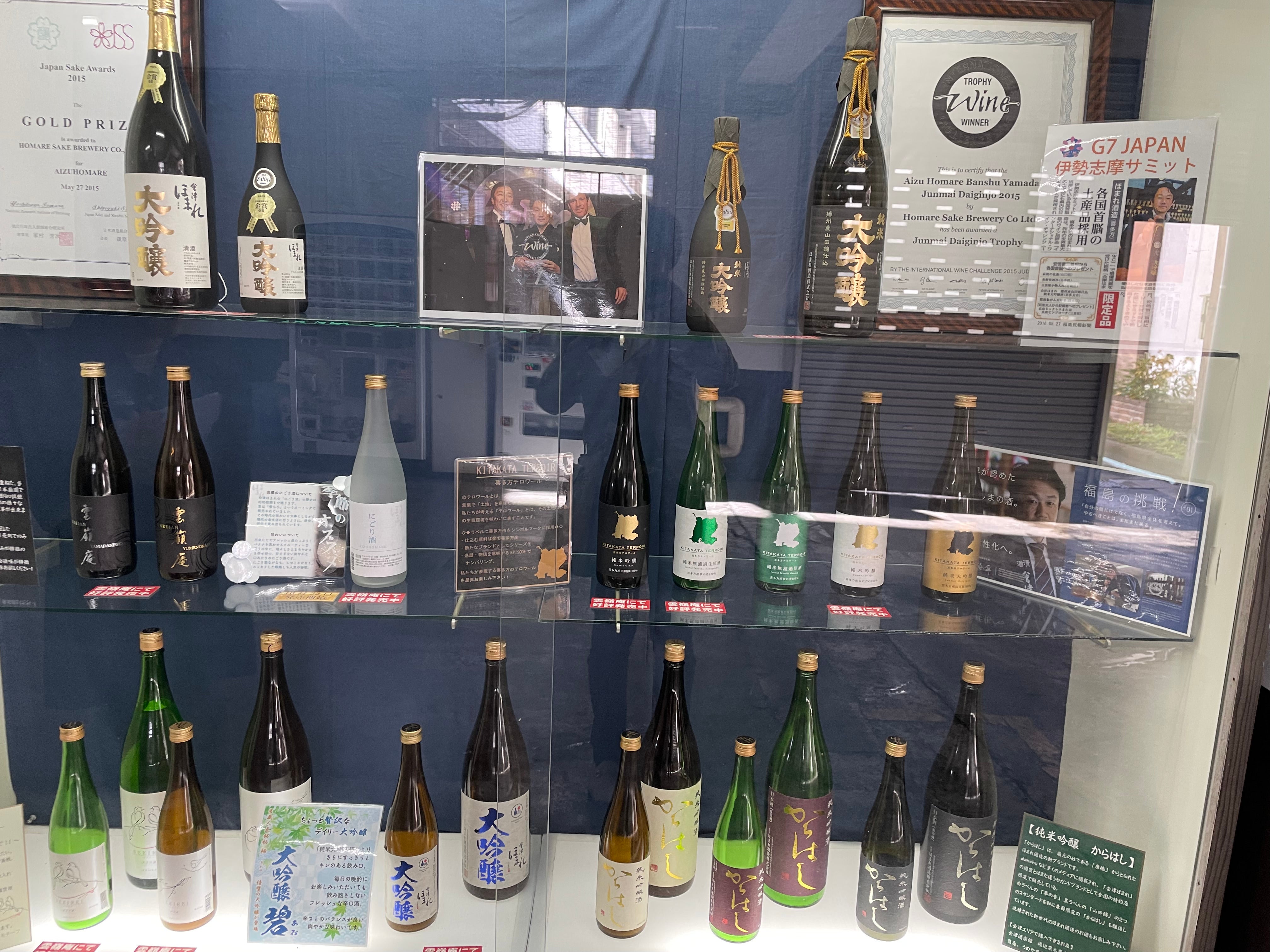
Local sake

Local sake

Aizu is known for its good rice and water, and is also recognized as a region of fine sake.

Nature and hot springs

Higashiyama Onsen

Higashiyama Onsen

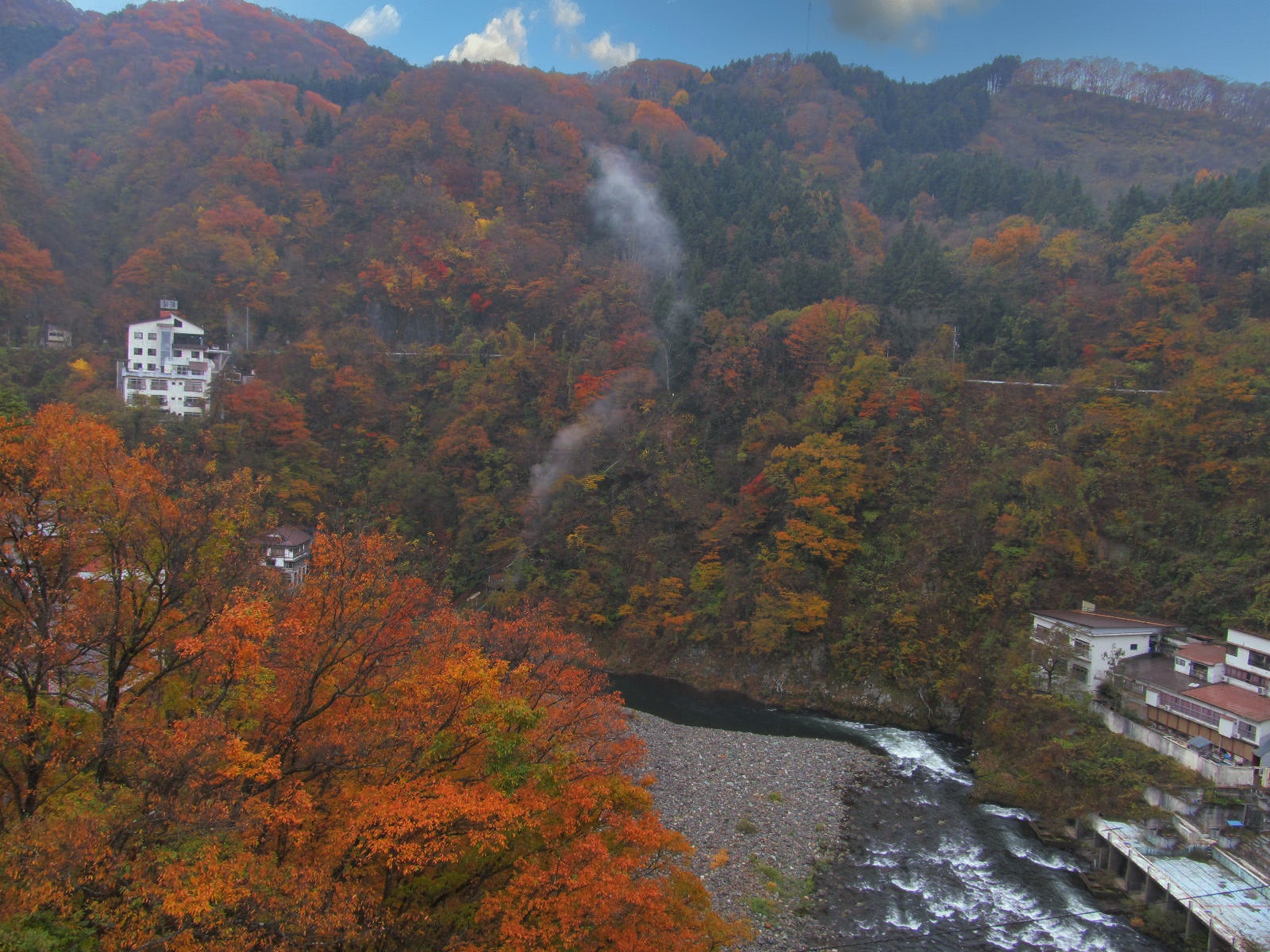
Aizu Higashiyama Onsen, overflowing with charm year-round, is said to have been discovered about 1300 years ago by the famous monk Gyoki, and is a historic hot spring town counted among the Three Scenic Areas of Oshu. It has been loved by literary figures and artists such as Takehisa Yumeji and Akiko Yosano.


For those who wish to customize a tour including Aizuwakamatsu City

Apply for the Tour
LINE Contact Us