Aizuwakamatsu City

Aizuwakamatsu City

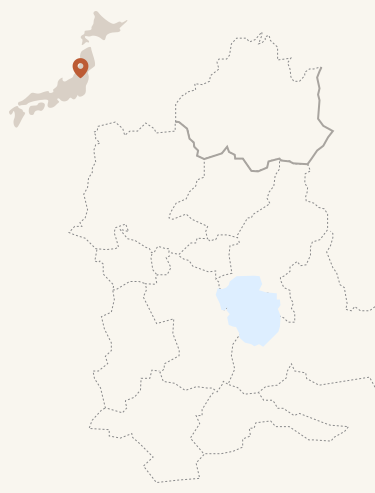
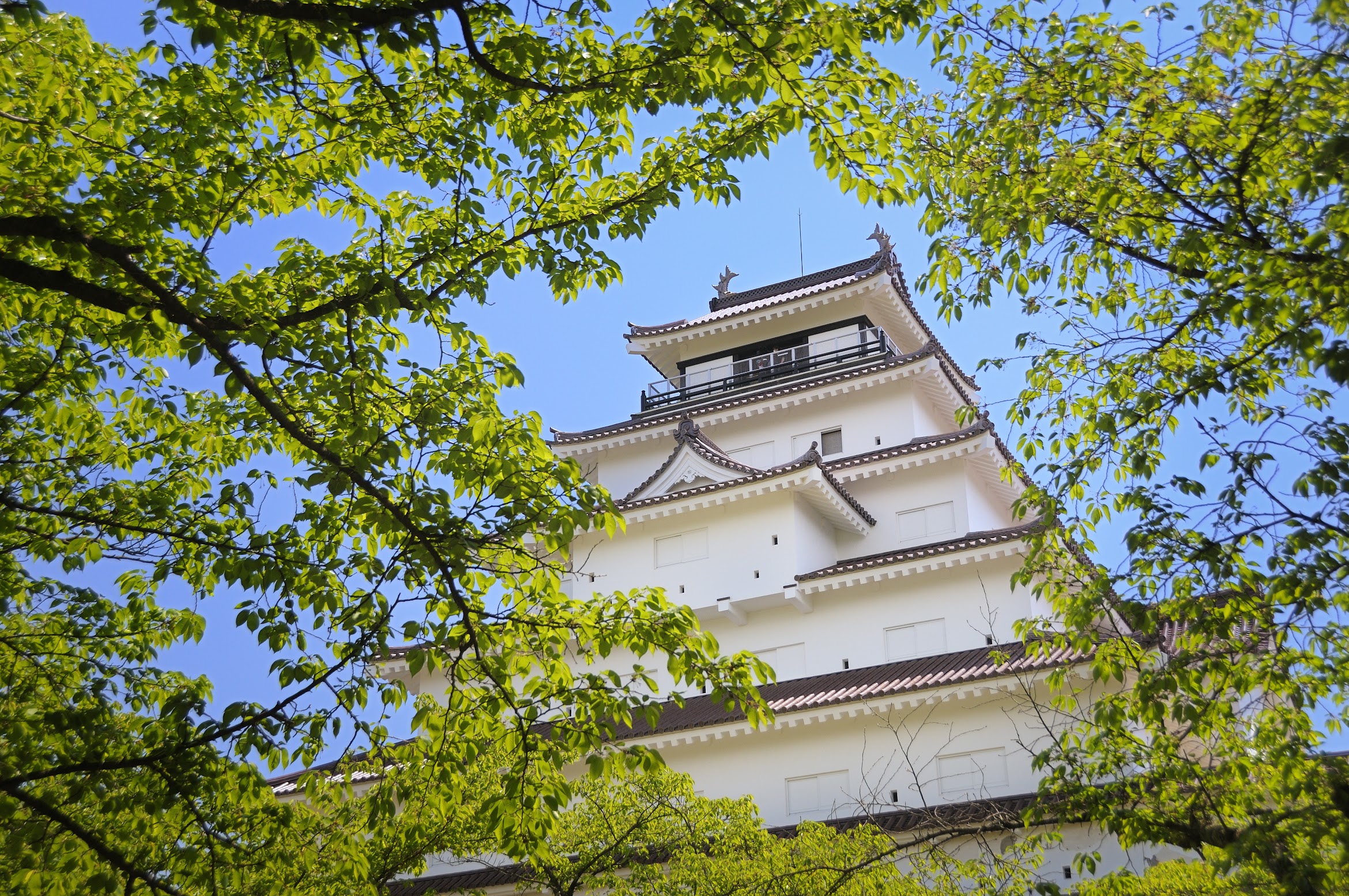
Aizuwakamatsu City, known as the castle town of Tsurugajo, is a historic town that made its mark as the stage of the Boshin War.
Symbolized by the tragedy of the Byakkotai, the people of Aizu valued "righteousness" and lived with the pride of samurai, passing down their noble spirit to this day. Tsurugajo, towering in the city center, stands as a symbol of resilience through the flames of war, and the castle town retains a strong impression of samurai culture. Walking through the old streets, you can feel the breath of history and the indomitable spirit of the Aizu people. With seasonal landscapes, Aizu lacquerware, and local cuisine like "Kozuyu," the charm of culture, history, and food is abundant.
It is a popular sightseeing destination, also known as "Little Kyoto of Tohoku," where you can leisurely enjoy sightseeing, strolling, and gourmet experiences.

Attractions of history and culture

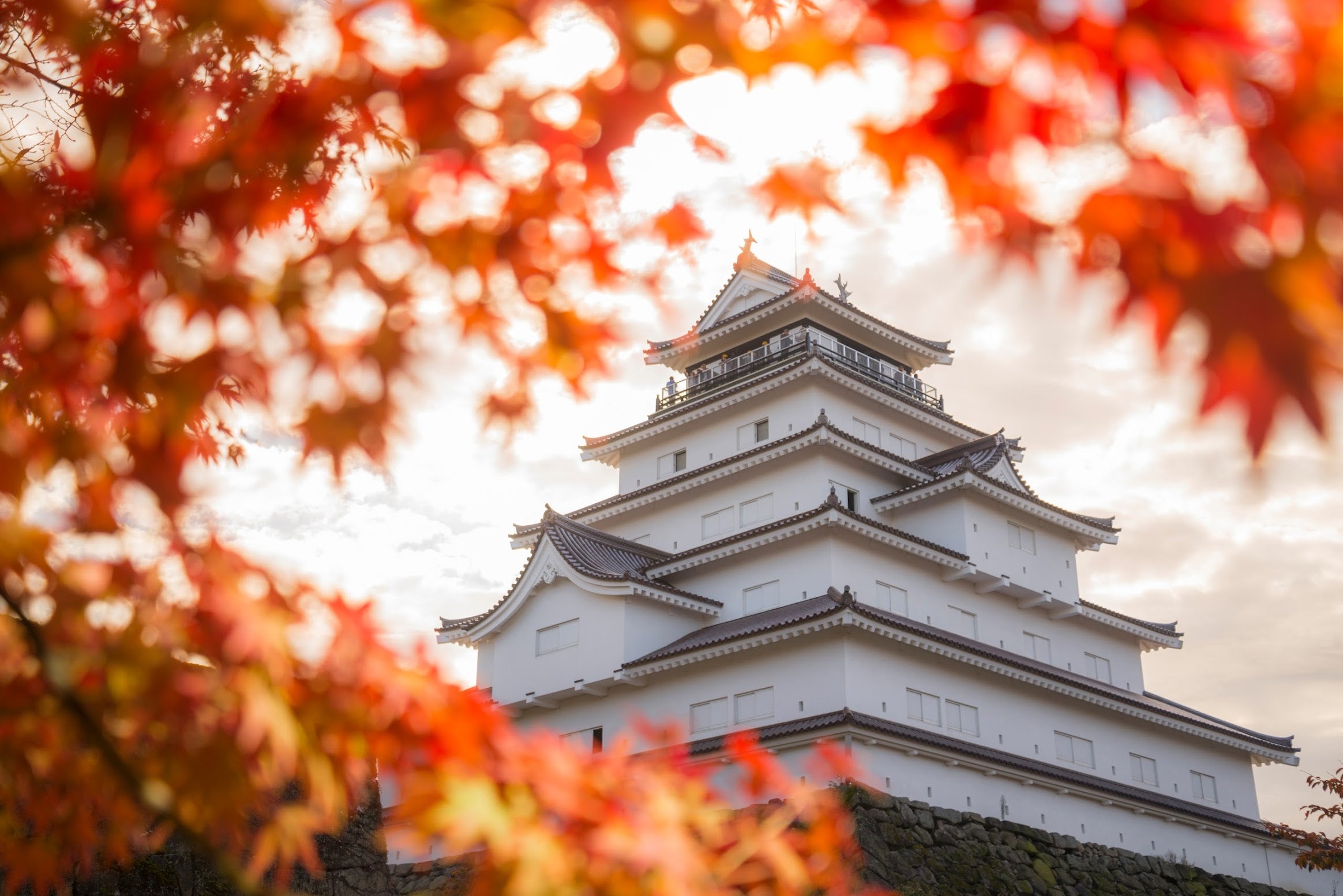
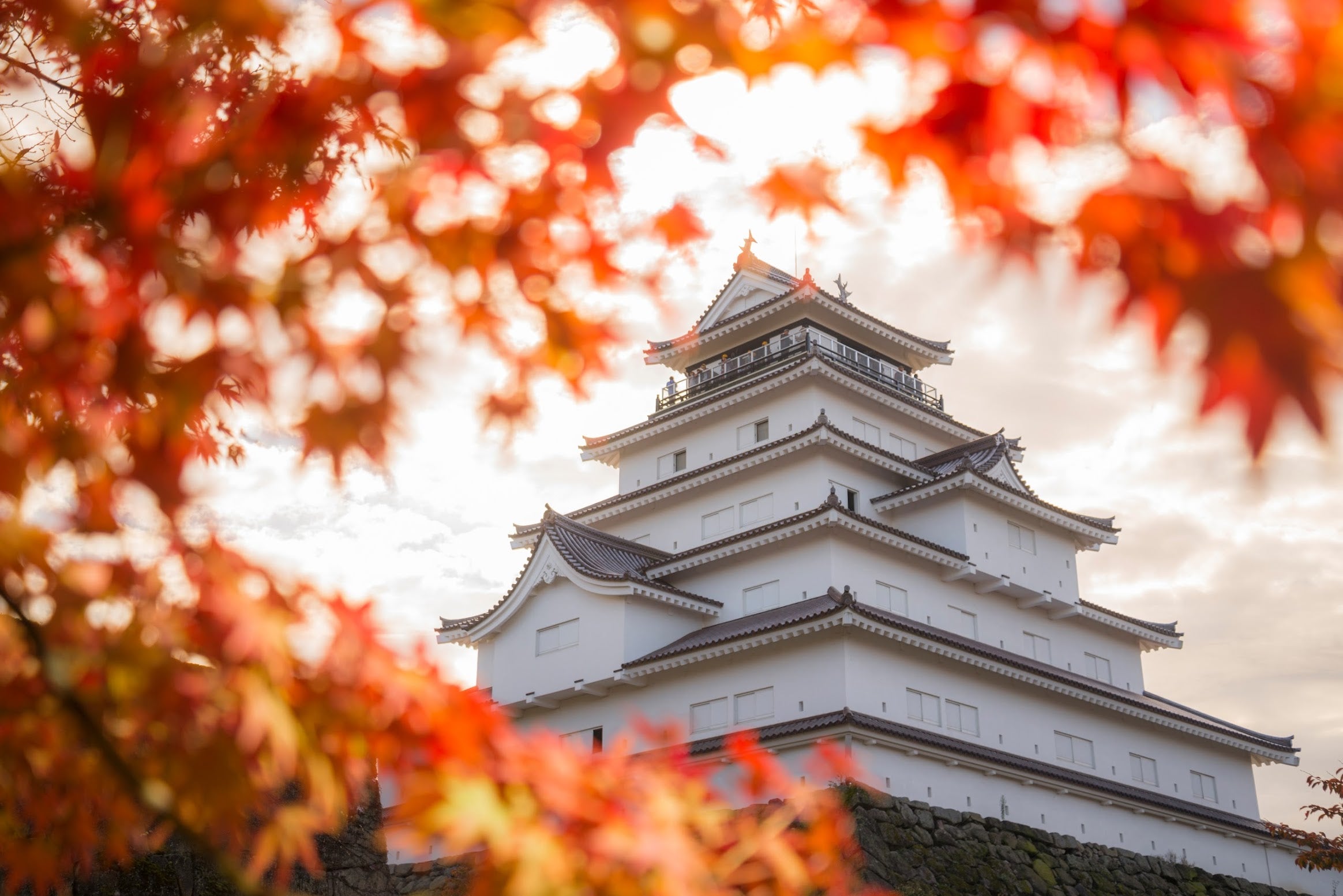
Tsurugajo (Aizuwakamatsu Castle)
Tsurugajo (Aizuwakamatsu Castle)

It is said that the beginning was around 630 years ago when Lord Ashina Naomori built it, and during the Boshin War, it gained fame as a famous castle that endured a fierce battle lasting about a month. Reconstructed in 1965, in 2000, the buildings leading to the main keep, "Hōhan Yagura and Nansō Nagaya," were restored using Edo period construction methods and techniques, and in 2011, the replacement with "red tiles" was completed, recreating its appearance from the late Edo period, making it the only existing keep in Japan with red tiles.
 

Iimoriyama

Iimoriyama

Famous as the tragic site where the Byakkotai committed seppuku.
From the summit, you can overlook Tsurugajo, and at the Byakkotai Memorial Museum and the historical museum, you can touch upon the history of Aizu.

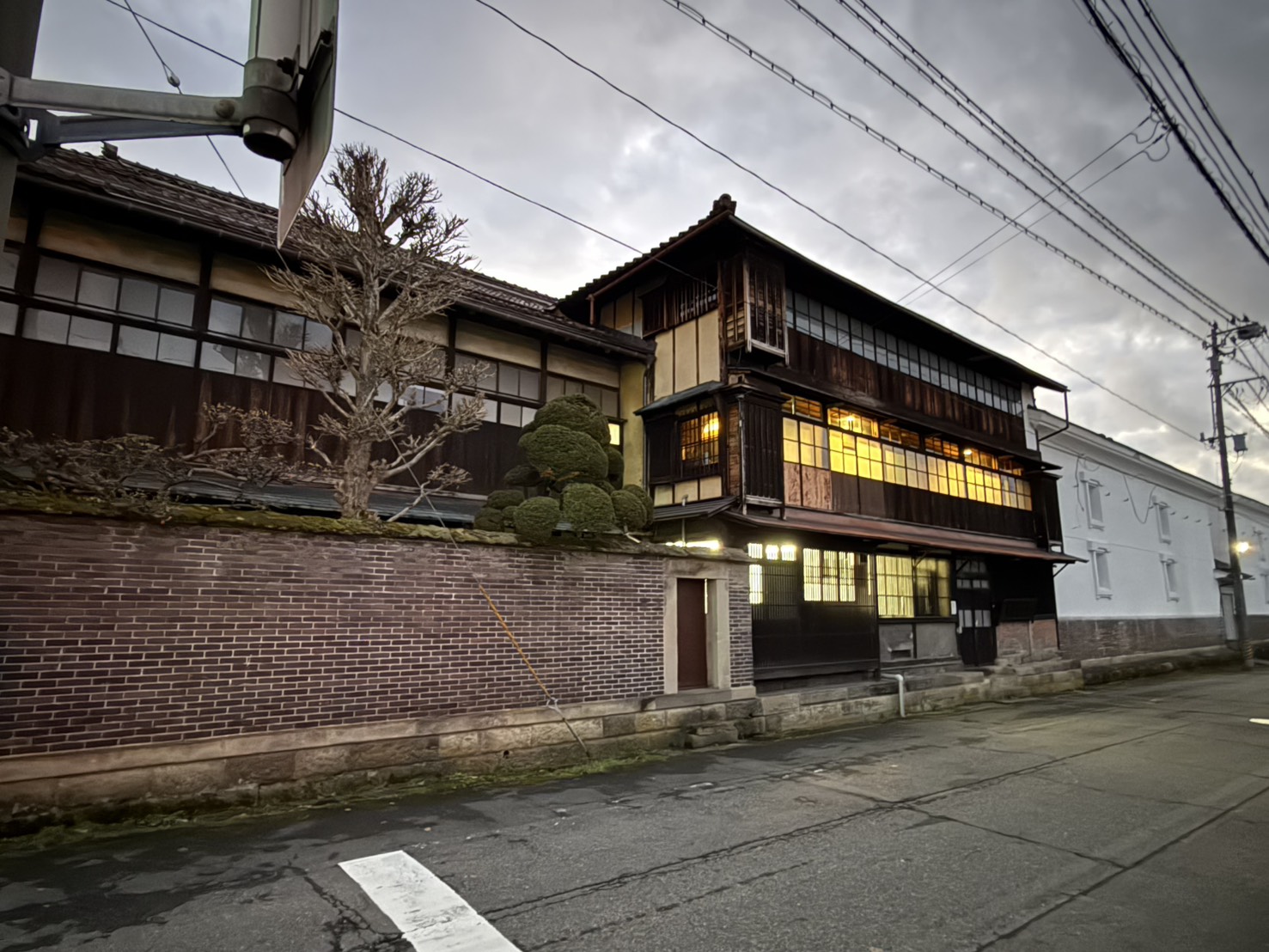
Retro Nanokamachi Street
Retro Nanokamachi Street

Nanakachō Street, with an atmosphere of Taisho Romanticism, was a major road during the feudal era, connecting the five main roads of Aizu, including Nikko, Echigo, and Yonezawa, serving as the western gateway of the castle town with many wholesalers, inns, and restaurants lining the street.
Even today, it remains a popular street for tourists, where you can feel the essence of Taisho Romanticism.

Miyakuen

Miyakuen

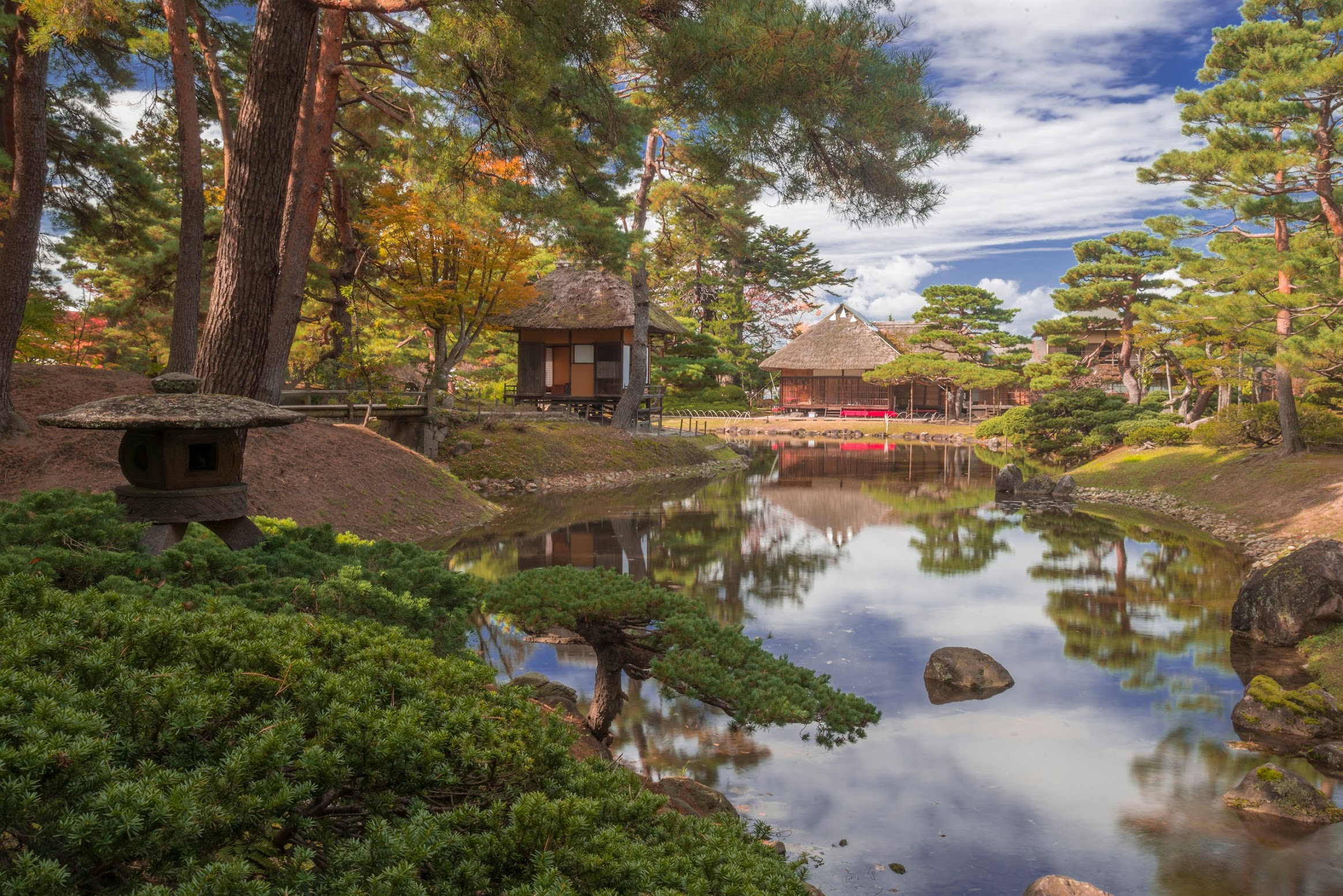
A beautiful Japanese garden designated as a national scenic spot. Particularly, it is called "Oyakuen" because the successive lords cultivated medicinal herbs in the area where the sacred spring (medicinal water) flows. The founder of the Aizu Matsudaira clan, Lord Masayuki, developed it as a daimyō garden, and the second lord, Masakane, established a medicinal herb garden for research on herbs used for disease prevention and treatment (encouraging the cultivation of Korean ginseng) to save the people from epidemics.
 

Iimoriyama Byakkotai

Iimoriyama Byakkotai

Aizu was known as the "Aizu Domain" during the Edo period and became the stage of the Boshin War. The tale of the tragic boy soldiers, the Byakkotai, is
particularly famous and is still regarded as a symbol of Aizu's bushido.

Aizu Lacquerware and Akabeko

Aizu Lacquerware and Akabeko

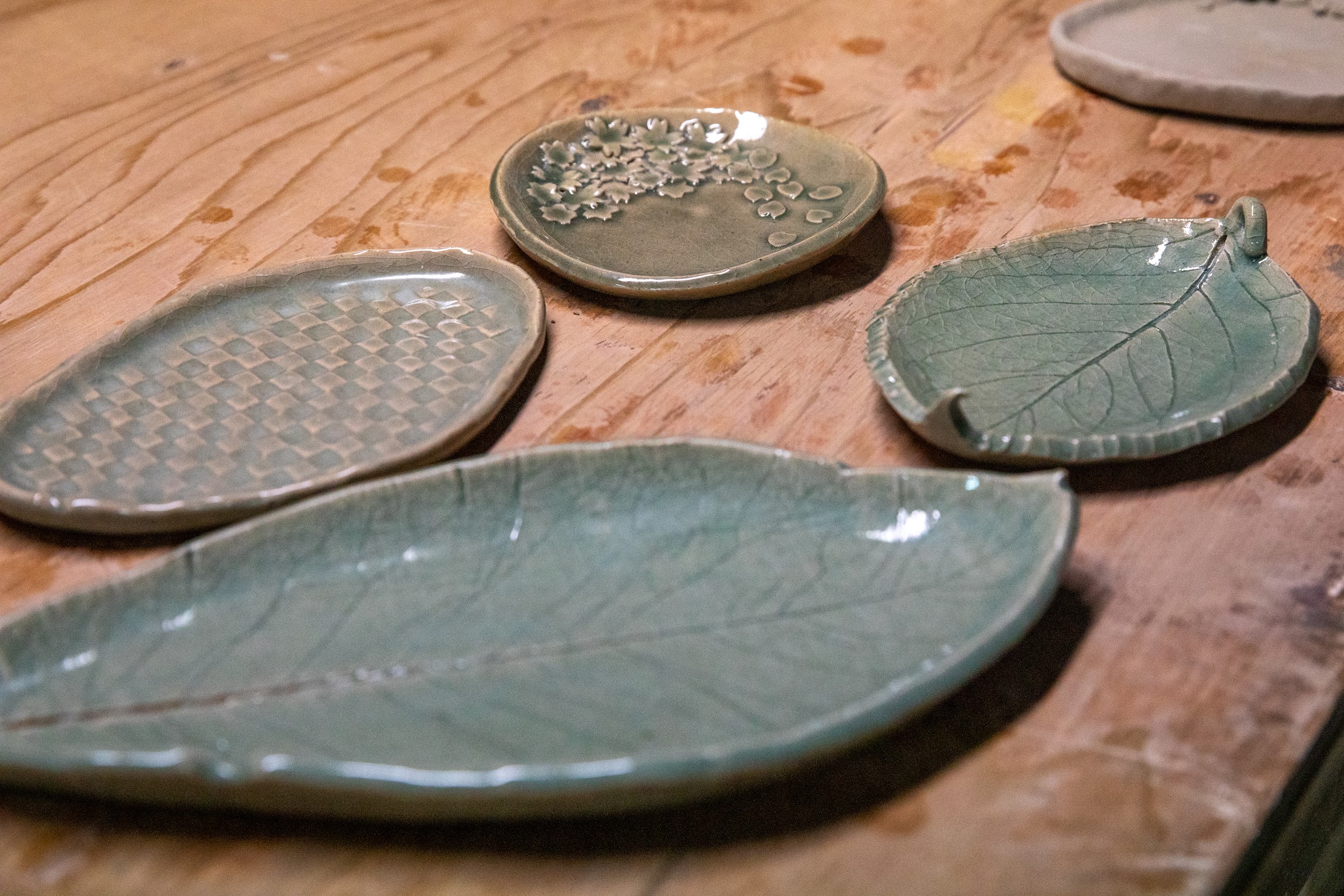
Traditional crafts such as "Aizu lacquerware" and "Akabeko" are famous. Akabeko is cherished as a talisman for warding off evil and for health prayers.

Gourmet

Herring Pickled in Sansho

Herring Pickled in Sansho
保存食文化から生まれた一品。

Nature and hot springs

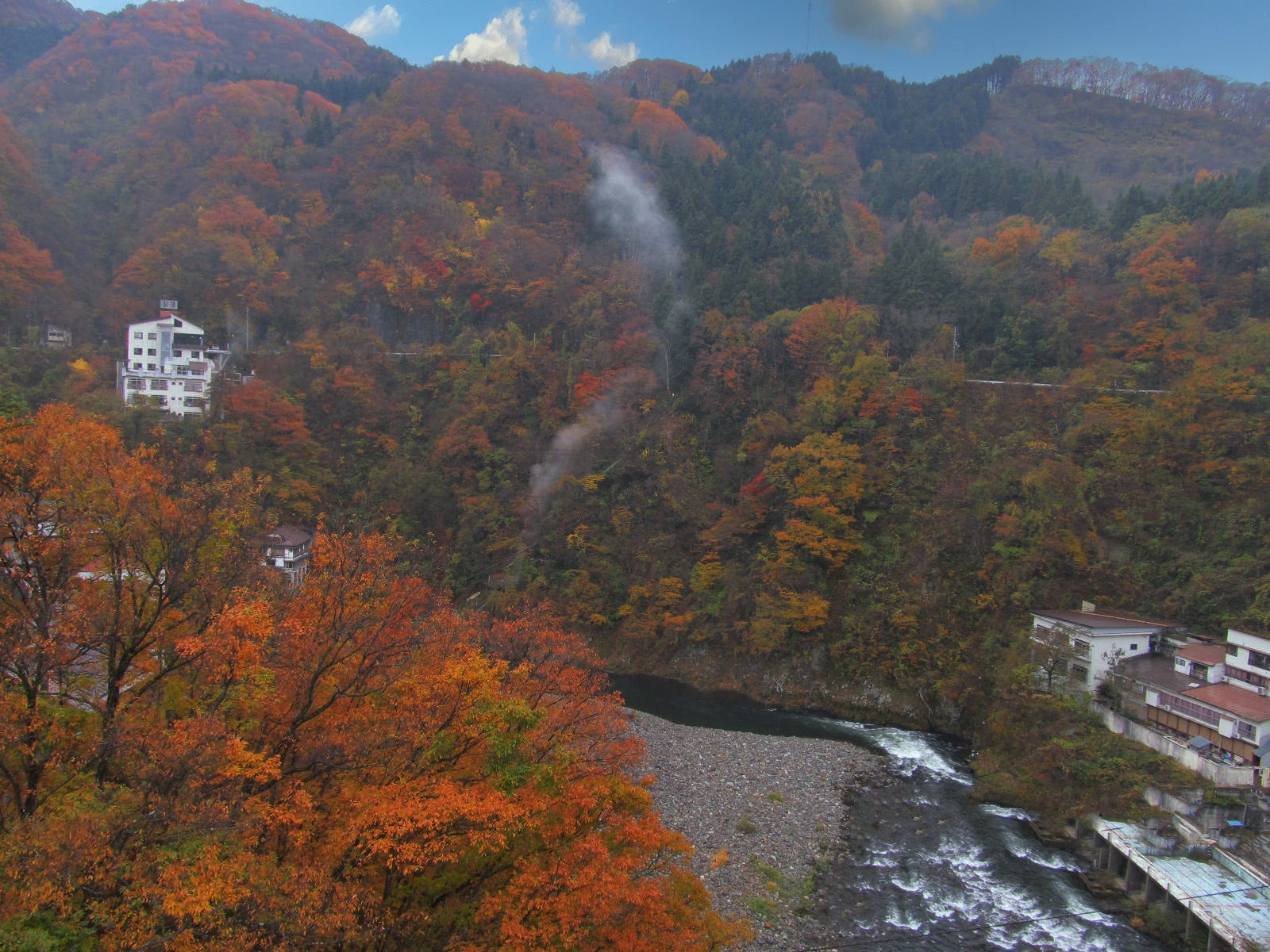
Higashiyama Onsen

Higashiyama Onsen
一年中その魅力が溢れる会津東山温泉は今から約 1300 年前、名僧・行基によって発見されたと言われ、奥羽三楽郷に数えられる歴史ある温泉郷です。竹久夢二や与謝野晶子などの文人・墨客にもこよなく愛された湯の街。

Attractions of Aizu, the Buddhist capital

Hachiyouji Amida Hall

Hachiyouji Amida Hall

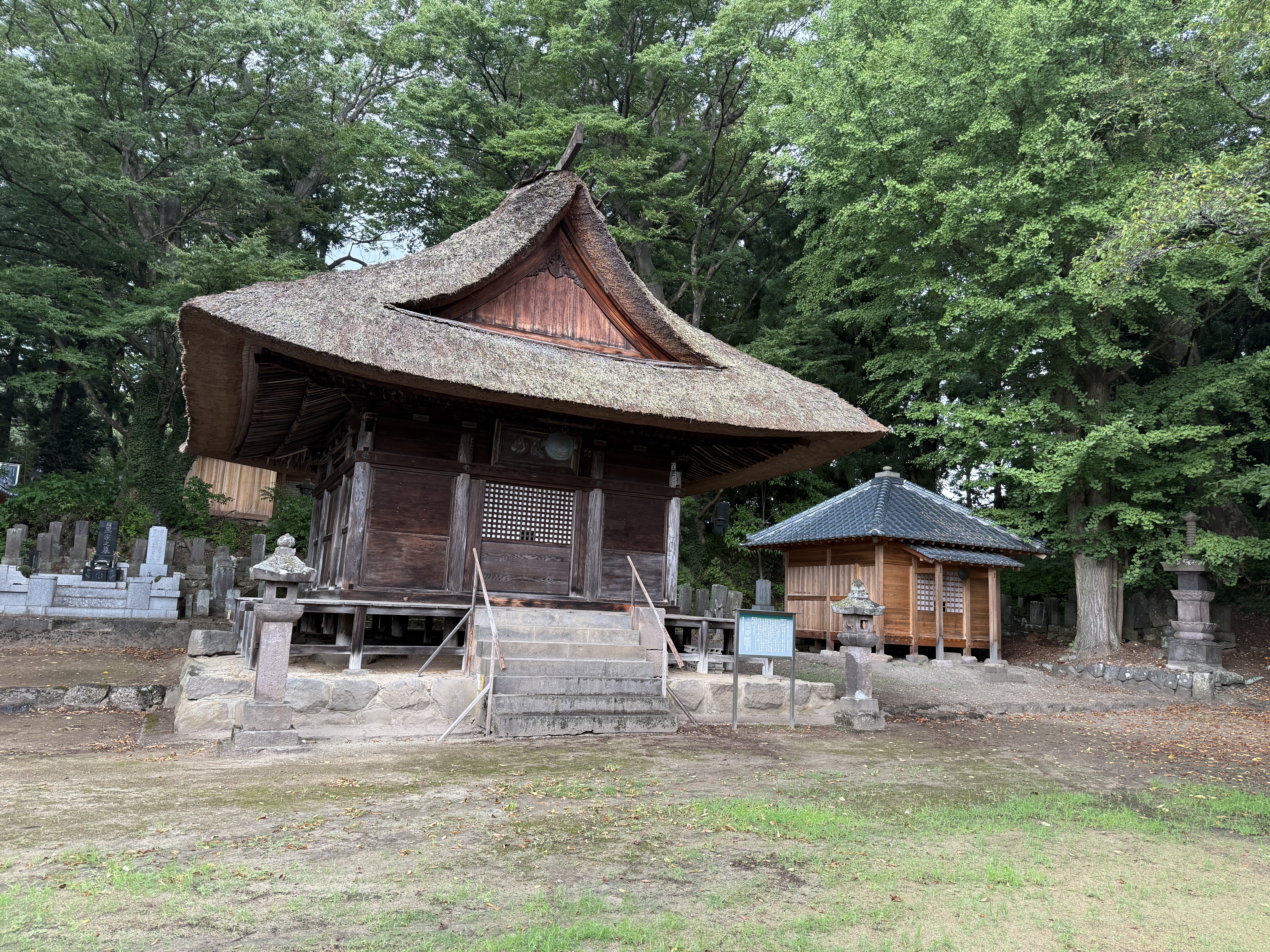
Also known as the Koyasan of Aizu, there is a Hall of Amida said to have been built by the monk Kuya. There is a custom of placing the belongings of deceased relatives into a small tower known as the "Wooden Gorintō" for memorial services, and more than 14,000 Gorintō have been dedicated to the reliquary on the temple grounds. It is also famous for Aizu Koyasan pilgrimages and Kuya Nembutsu dances. Nationally designated important cultural property.

Experience

Aizu Thirty-Three Kannon

Aizu Thirty-Three Kannon
徳川幕府の成立により治安や経済も安定し、参勤交代のための街道の整備も進んだため、全国的に伊勢参りや熊野参詣(くまのさんけい)、西国三十三観音巡りなどが盛んになった。この会津の領民の間でも同じで大旅行に多くの人が出かけていた為、多額の費用が領外に流れることを案じて、会津三十三観音を定め資金、労働力の流出を防ぐ政策として定着した

Unique sake brewery

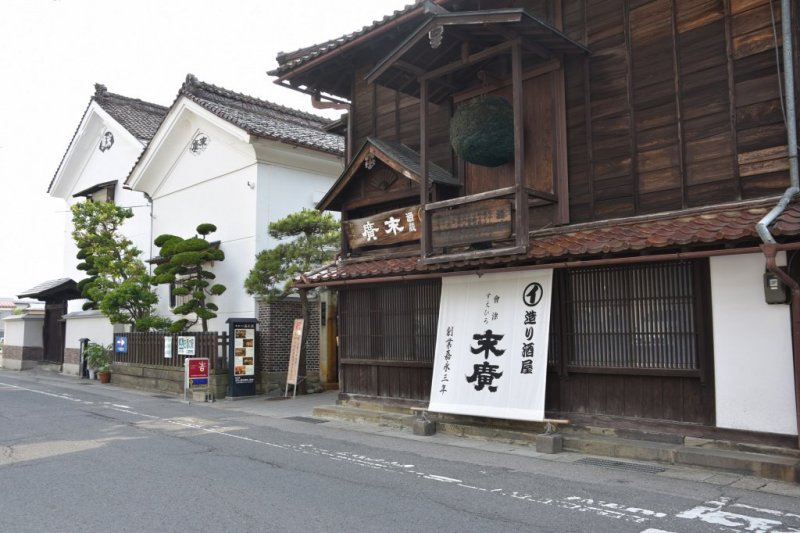
Suehiro Sake Brewery, Kaei Storehouse

Suehiro Sake Brewery, Kaei Storehouse
「創業は嘉永3年(1850年)。明治時代には杜氏による酒造りを福島県で初めて実現。大正時代には山廃造りの創始者、嘉儀金一郎氏による「山廃造り」の試験醸造を試み、現在に至って伝承されている。」

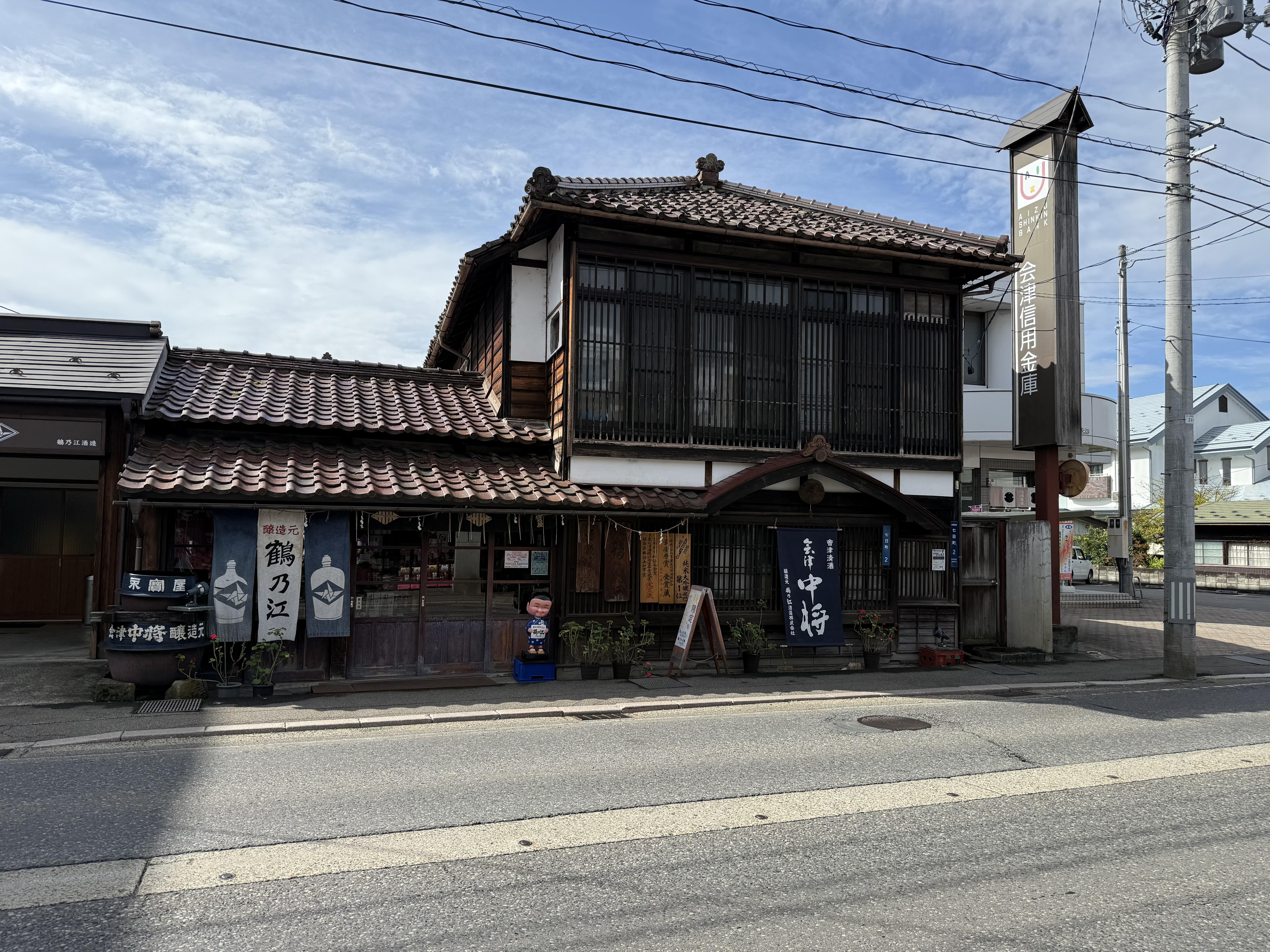
Tsuru no E Sake Brewery

Tsuru no E Sake Brewery

Serious sake brewing tailored to the climate of Aizu. We follow traditional methods and create sake while observing its face (appearance).
Sake (moromi) is a living thing... We brew while watching its changing state day by day.

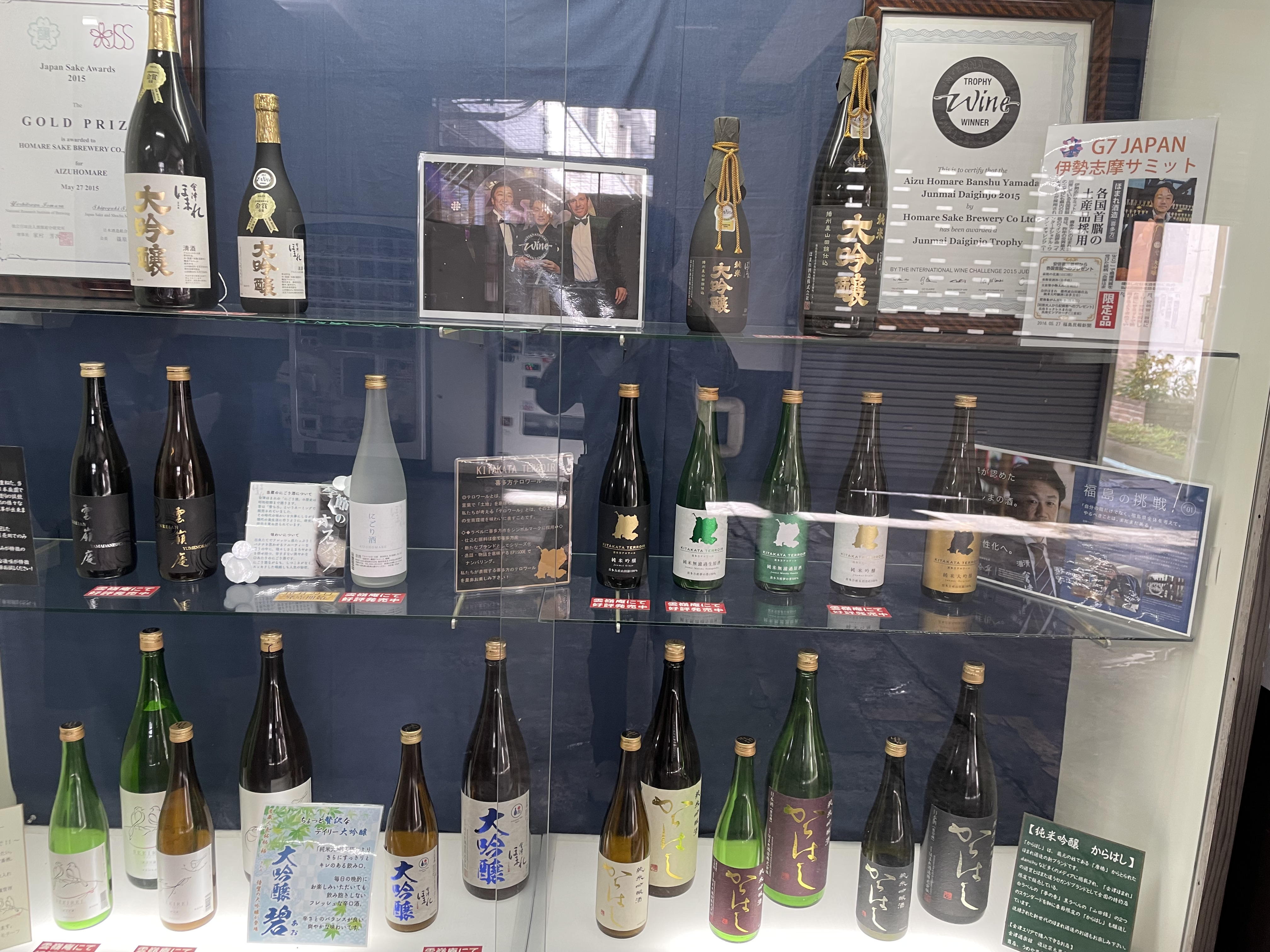
Local sake

Local sake

Aizu is known for its rice production and good water, making it famous for its fine sake.

For those who wish for a customized tour including Aizuwakamatsu City

Apply for a tour
LINE Contact